


About us


-
See what students, mentors, alumni and recruiters say about Masters' Union University. Shared highlights and moments that reflect our culture, learning and community. Explore their voices.
OVERVIEW

-
See how Masters’ Union University is represented across leading news and media platforms. Explore articles, features, and press coverage that reflect our journey, initiatives, and growing impact in education, innovation, and industry engagement.
OVERVIEW
-
Explore the awards, rankings and accreditations that recognise the quality, impact and industry relevance of Masters' Union University programmes.
OVERVIEW

-
Explore the reports, brochures, policies, and publications that document Masters' Union University's outcomes, standards, and institutional commitments.
OVERVIEW

PROGRAMMEs
- Highlights
- Curriculum
- Admissions & Fees
- Immersions
- Entrepreneurship
- Careers
- Class Profile
PROGRAMME oVERVIEW
- Highlights
- Curriculum
- Admissions & Fees
- Immersions
- Entrepreneurship
- Career Prospects
- Class Profile
PROGRAMME oVERVIEW
- Highlights
- Curriculum & Faculty
- Immersions
- Admissions & Fees
- Career Prospects
- Class Profile
PROGRAMME oVERVIEW
- Highlights
- Curriculum
PROGRAMME oVERVIEW
- Home
PROGRAMME oVERVIEW
- Highlights
- Curriculum & Faculty
- Admissions & Fees
- Career Prospects
- Class Profile
PROGRAMME oVERVIEW
- Highlights
- Curriculum & Faculty
- Admissions & Fees
- Career Prospects
- Class Profile
PROGRAMME oVERVIEW
- Highlights
- Curriculum
- Admissions & Fees
- Career Prospects
- Class Profile
PROGRAMME oVERVIEW
PROGRAMMEs
- Highlights
- Curriculum & Faculty
- Admissions & Fees
- Career Prospects
- Class Profile
PROGRAMME oVERVIEW
- Highlights
- Curriculum & Faculty
- Admissions & Fees
- Career Prospects
- Class Profile
PROGRAMME oVERVIEW
- Highlights
- Curriculum
- Admissions & Fees
- Career Prospects
- Class Profile
PROGRAMME oVERVIEW
- Highlights
- Curriculum & Faculty
- Admissions & Fees
- Career Prospects
- Class Profile
PROGRAMME oVERVIEW
- Highlights
- Curriculum & Faculty
- Admissions & Fees
- Career Prospects
- Class Profile
PROGRAMME oVERVIEW
- Highlights
- Curriculum
- Admissions & Fees
- Career Prospects
- Class Profile
PROGRAMME oVERVIEW
- Highlights
- Curriculum
- Admissions & Fees
- Career Prospects
- Class Profile
PROGRAMME oVERVIEW
PROGRAMMES
-
PGP in
Technology & Business Management

-
PGP in
Technology & Business Management
(Young Leaders Cohort)
-
PGP in
Human Resources & Organisation Strategy
-
PGP in Sports
Management & Gaming
-
PGP in
Applied AI & Agentic Systems
-
PGP in Sustainability &
Business Management
-
Four Nations Global
Business Programme
- Highlights
- Curriculum
- Immersions
- Admissions & Fees
- Career Prospects
- Cohort Profile
PROGRAMME oVERVIEW
- Highlights
- Curriculum
- Immersions
- Admissions & Fees
- Career Prospects
- Faculty & Student Stories
PROGRAMME oVERVIEW
- Highlights
- Curriculum
- Immersions
- Admissions & Fees
- Career Prospects
PROGRAMME oVERVIEW
- Highlights
- Curriculum & Faculty
- Admissions & Fees
- Career Prospects
PROGRAMME oVERVIEW
- Highlights
- Curriculum & Faculty
- Admissions & Fees
- Career Prospects
PROGRAMME OVERVIEW
- Highlights
- Curriculum & Faculty
- Admissions & Fees
PROGRAMME OVERVIEW
- Highlights
PROGRAMME OVERVIEW
- Highlights
- Curriculum
- Immersions
- Admissions & Fees
- Career Prospects
- Cohort Profile
PROGRAMME oVERVIEW
PROGRAMMES
- Highlights
- Curriculum
- Faculty
- Admissions & Fees
- Career Prospects
- Cohort Profile
PROGRAMME oVERVIEW
- Home
PROGRAMME oVERVIEW
- Highlights
- Curriculum
- Admissions & Fees
PROGRAMME oVERVIEW
- Highlights
- Curriculum
- Admissions & Fees
PROGRAMME oVERVIEW
- Highlights
- Curriculum
- Immersions
- Faculty & Coaches
- Admissions & Fees
- Career Prospects
PROGRAMME oVERVIEW
- Highlights
- Curriculum
PROGRAMME oVERVIEW
- Home
PROGRAMME oVERVIEW
- Highlights
- Global Immersions
- Curriculum
- Faculty & Coaches
- Leadership Learning
- Admissions & Fees
PROGRAMME oVERVIEW
- Highlights
- Curriculum
- Admissions & Fees
PROGRAMME oVERVIEW
PROGRAMMES
- Highlights
- Curriculum
- Beyond Classroom
- Admissions & Fees
PROGRAMME oVERVIEW
- Highlights
- Curriculum
- Beyond Classroom
- Admissions & Fees
PROGRAMME oVERVIEW
- Home
PROGRAMME oVERVIEW
- Home
PROGRAMME oVERVIEW
PROGRAMMES
- Home
PROGRAMME oVERVIEW
- Highlights
- Curriculum
- Beyond Classroom
- Admissions & Fees
PROGRAMME oVERVIEW
- Home
PROGRAMME oVERVIEW
- Home
PROGRAMME oVERVIEW
STUDENT LIFE
- Student Premises
- Amenities
- Hostel Council
oVERVIEW
- Case Union
- UnMute
- Clubs & Committees
oVERVIEW
oVERVIEW
- Healthcare
- BFSI
- Technology
- Manufacturing
- Retail
Industry
- Governments
- Universities
- Startups
- SMEs
- Large Enterprises
Industry
oVERVIEW
PROGRAMMEs
- Highlights
- Curriculum & Faculty
- Admissions & Fees
- Career Prospects
- Class Profile
PROGRAMME oVERVIEW
- Highlights
- Curriculum & Faculty
- Admissions & Fees
- Career Prospects
- Class Profile
PROGRAMME oVERVIEW
- Highlights
- Curriculum
- Admissions & Fees
- Career Prospects
- Class Profile
PROGRAMME oVERVIEW
- Highlights
- Curriculum & Faculty
- Admissions & Fees
- Career Prospects
- Class Profile
PROGRAMME oVERVIEW
- Highlights
- Curriculum & Faculty
- Admissions & Fees
- Career Prospects
- Class Profile
PROGRAMME oVERVIEW
- Highlights
- Curriculum
- Admissions & Fees
- Career Prospects
- Class Profile
PROGRAMME oVERVIEW
- Highlights
- Curriculum
- Admissions & Fees
- Career Prospects
- Class Profile
PROGRAMME oVERVIEW
PROGRAMMES
- Highlights
- Curriculum
- Immersions
- Admissions & Fees
- Career Prospects
- Cohort Profile
PROGRAMME oVERVIEW
- Highlights
- Curriculum
- Immersions
- Admissions & Fees
- Career Prospects
- Faculty & Student Stories
PROGRAMME oVERVIEW
- Highlights
- Curriculum
- Immersions
- Admissions & Fees
- Career Prospects
PROGRAMME oVERVIEW
- Highlights
- Curriculum & Faculty
- Admissions & Fees
- Career Prospects
PROGRAMME oVERVIEW
- Highlights
- Curriculum
- Immersions
- Admissions & Fees
- Career Prospects
- Cohort Profile
PROGRAMME oVERVIEW
PROGRAMMES
- Highlights
- Curriculum
- Faculty
- Admissions & Fees
- Career Prospects
- Cohort Profile
PROGRAMME oVERVIEW
- Highlights
- Curriculum
- Admissions & Fees
PROGRAMME oVERVIEW
- Highlights
- Curriculum
- Admissions & Fees
PROGRAMME oVERVIEW
- Highlights
- Curriculum
- Immersions
- Faculty & Coaches
- Admissions & Fees
- Career Prospects
PROGRAMME oVERVIEW
- Highlights
- Global Immersions
- Curriculum
- Faculty & Coaches
- Leadership Learning
- Admissions & Fees
PROGRAMME oVERVIEW
- Highlights
- Curriculum
- Admissions & Fees
PROGRAMME oVERVIEW


About Us

Undergraduate
Postgraduate
PGP in Technology & Business Management
PGP in Technology & Business Management
(Young Leaders Cohort)
PGP in Human Resources & Organisation Strategy
PGP in Sports Management & Gaming
PGP in Applied AI & Agentic Systems
PGP in Sustainability & Business Management
Four Nations Global Business Programme
Executive
Family Business
Immersions
1:1 Executive Coaching
Careers
Innovations
Faculty
MU Ventures
Enterprise L&D
Student Life
Jobs
Become a Master
Merch Store
events
For Companies
Blog
Coach LMS
Sustainability Business
The Water Crisis Is the Biggest Business Opportunity Founders Are Ignoring
July 2, 2026
We've read "save water, save the planet" on posters since childhood. Most of us nodded along and moved on.
That window to be casual about it just closed.
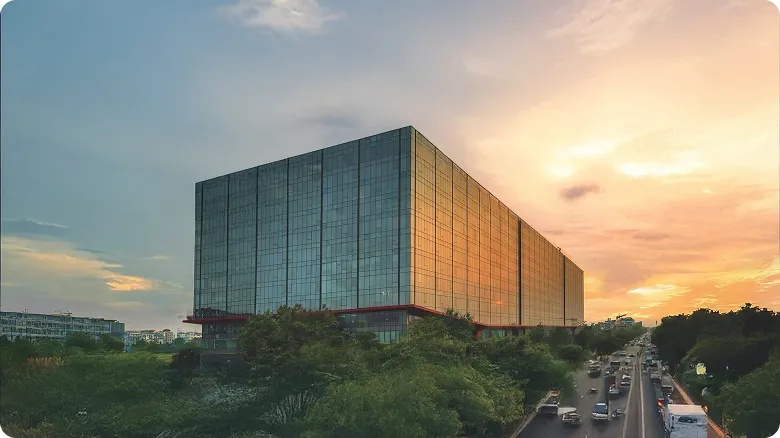
Picture two mornings, three thousand kilometres apart. In Marathwada, a farmer is choosing between watering his field and keeping enough for his family to drink. In Hyderabad, a data centre quietly draws five million litres of groundwater, just to keep its servers cool.
Different scales. Same crisis. And inside that crisis sits one of the most durable business opportunities of the next twenty years.
The Science Has Spoken. The Market Has to Respond.
In 2025, a global research effort led by Prof. Johan Rockström, director of Germany's Potsdam Institute for Climate Impact Research and the scientist who created the planetary boundaries framework, confirmed that freshwater change is now one of seven planetary boundaries humanity has breached.
That's not an environmental footnote. It's a signal institutional investors and governments are already repricing risk against.
The numbers behind the signal:
-
Global freshwater demand is projected to outstrip supply by 40% by 2030
-
India holds 18% of the world's population but just 4% of its freshwater
-
21 major Indian cities are on track to exhaust groundwater before the decade ends
-
135 districts now face aquifer overdraft, nearly double the 2014 figure (India's 2025 groundwater report)
-
72% of India's aquifers show a negative recharge balance (Tarun Bharat Sangh field research)
-
39% of those aquifers are already in critical state - not projected to be, already are
-
2.2 billion people globally still lack safely managed drinking water (UN, 2023)
Rajendra Singh, known as the Waterman of India, a Stockholm Water Prize and Magsaysay Award recipient - didn't arrive at these numbers from behind a desk. He built 375 traditional water-harvesting structures (johads) across Alwar, revived a river that had been dead for sixty years, and restored water access to over a thousand villages. His read on the data: the extraction is real, the window is closing, and the infrastructure to fix it barely exists.
Your Chatbot Is Drinking Your Water
Most people building in tech have no idea their infrastructure runs on water.
Every AI response generates heat. Hyperscale data centres manage that heat mostly through evaporative cooling - water drawn in, used to dissipate heat, and permanently lost from the local water cycle.
What that looks like in practice:
-
Microsoft's global water use rose 34% in 2022, largely driven by AI infrastructure, roughly 6.4 billion litres
-
Google crossed 21 billion litres the same year, up 20% year-over-year
-
The IEA projects data centres could account for 4% of global water withdrawal by 2030
-
A single large data centre can use 1–5 million litres a day - comparable to a small city
-
India is building data centre clusters in Mumbai, Pune, Chennai, and Hyderabad - all already water-stressed, with no national mandate requiring efficient cooling
Sunita Narain, Director General of the Centre for Science and Environment and a Padma Shri recipient, has tracked this pattern for four decades: industrial costs get pushed onto communities that see none of the benefit. At a December 2024 workshop, she pointed to the gap plainly: of the 72,000 million litres of urban wastewater India generates daily, only 28% gets treated. The rest goes straight into rivers, lakes, and land.
AI isn't a bystander to the water crisis. It's accelerating it. For founders, that's not a reason to avoid the technology - it's the strongest reason yet to build what fixes it.
Why Water Is a Founder's Market, Not Just a Cause
Water has a feature almost no other market has: perfectly inelastic demand. Nobody stops needing it when prices rise. Nobody substitutes it. Nobody defers it.
What makes it investable right now:
-
Inelastic demand: recession-proof, substitute-free, impossible to defer
-
A structural infrastructure gap: emerging-market water systems are decades behind population and industrial growth, and won't catch up without private capital
-
Regulatory tailwinds: water efficiency and effluent mandates are tightening, creating compliance markets in real time
-
Capital already moving: Bengaluru-based wastewater recycler Indra Water raised $4M in early 2024, with clients spanning Taj Hotels to Tata Steel; impact investors like Lightrock, Aavishkaar, and Ankur Capital are active in the space
-
Defensibility that compounds: unlike software, water solutions need local relationships, regulatory approvals, and physical infrastructure. That's a moat that gets deeper with time, not shallower
What "Sustainable" Actually Means for a Business?
Sustainability isn't a tax on profit. Done right, it's the mechanism that makes profit durable.
Rajendra Singh's work in Alwar is the proof at field scale: when Tarun Bharat Sangh rebuilt water infrastructure, agriculture came back. Livelihoods came back. The economic activity wasn't a side effect of restoration; it was the direct product of it.
One question separates real sustainable businesses from marketing:
If you stopped publishing your sustainability report tomorrow, would your operations change?
If yes, it's a business built to earn by solving the problem - revenue requires the fix to work, operations create positive externalities, and tightening regulation becomes free distribution instead of a threat.
If no, it's marketing. Build for the first answer.
Five Gaps That Are Still Wide Open
These aren't theoretical. They're specific places where infrastructure is broken, willingness to pay already exists, and almost nobody is building.
-
Precision irrigation for small farmers: 80% of Indian farmland sits under 5 acres, but most precision irrigation is priced for commercial-scale operations. The opening: affordable, modular systems bundled with SaaS crop advisory and insurance.
-
Decentralised water quality monitoring: Singh called Indore's 2026 contaminated-water deaths a "system-created disaster." Last-mile IoT sensors with civic alerting still don't exist at scale. Revenue: device sales plus data subscriptions and industrial compliance reporting.
-
Wastewater recycling as a service: most SME manufacturers discharge untreated water and pay fines because treatment infrastructure is too capital-intensive to own outright. Build-own-operate models that sell treated water back below market rate change that math completely.
-
Sustainable data centre cooling: liquid immersion and closed-loop systems can cut AI infrastructure's water dependence almost entirely. This layer is thin and badly underfunded relative to the size of the problem.
-
Rainwater harvesting for urban housing: CSE's advocacy already got the legal mandate written into most Indian city codes. Compliance is still low. The mandate exists. The product doesn't, yet.
The End Thoughts
In 2025, Rajendra Singh put it simply: "If we act now, we can turn this crisis into an opportunity to restore harmony between humans and nature." He wasn't being philosophical; he was describing what his own organisation had already done, at scale, over forty years, in the field.
The infrastructure decisions being made right now will lock in water consumption patterns for the next two decades: which cooling systems go into data centres, which irrigation tech reaches marginal farmers, which treatment plants win contracts.
The founders who move now aren't just building companies. They're building the default infrastructure for how the world manages its most critical resource, and that's not a metaphor. That's what the market is about to pay for.
 QUERIES
Frequently Asked Questions
Is water really a startup market, or does government own it?

Government controls centralised infrastructure. Startups win at the last mile - the small farmer, the peri-urban household, the SME manufacturer- where public systems consistently don't reach. Don't compete with the Jal Jeevan Mission. Solve what it isn't built to solve.
How do you build a water business without deepening inequality?
Bake affordability into the model, not the CSR budget. Pay-per-use pricing, outcome-linked financing, and B2B structures that put cost on institutions rather than end users are the patterns holding up best over time.
What's the actual link between AI and water depletion?
Evaporative cooling permanently removes water from local cycles. As AI workloads scale, so does the draw, and India's data centre buildout is happening largely without water efficiency mandates. That's a policy gap and a market gap at once.
What funding exists for water startups in India?
DST's Water Technology Initiative, NABARD's agricultural water programmes, and impact investors including Lightrock, Aavishkaar, and Ankur Capital are all active. The pitch that lands: financial return and social impact as one mechanism, not two separate stories.