


About us


-
See what students, mentors, alumni and recruiters say about Masters' Union University. Shared highlights and moments that reflect our culture, learning and community. Explore their voices.
OVERVIEW
-
See how Masters’ Union University is represented across leading news and media platforms. Explore articles, features, and press coverage that reflect our journey, initiatives, and growing impact in education, innovation, and industry engagement.
OVERVIEW
-
Explore the awards, rankings and accreditations that recognise the quality, impact and industry relevance of Masters' Union University programmes.
OVERVIEW

-
Explore the reports, brochures, policies, and publications that document Masters' Union University's outcomes, standards, and institutional commitments.
OVERVIEW

PROGRAMMEs
- Highlights
- Curriculum
- Admissions & Fees
- Immersions
- Entrepreneurship
- Careers
- Class Profile
PROGRAMME oVERVIEW
- Highlights
- Curriculum
- Admissions & Fees
- Immersions
- Entrepreneurship
- Career Prospects
- Class Profile
PROGRAMME oVERVIEW
- Highlights
- Curriculum & Faculty
- Immersions
- Admissions & Fees
- Career Prospects
- Class Profile
PROGRAMME oVERVIEW
- Highlights
- Curriculum
PROGRAMME oVERVIEW
- Home
PROGRAMME oVERVIEW
- Highlights
- Curriculum & Faculty
- Admissions & Fees
- Career Prospects
- Class Profile
PROGRAMME oVERVIEW
- Highlights
- Curriculum & Faculty
- Admissions & Fees
- Career Prospects
- Class Profile
PROGRAMME oVERVIEW
- Highlights
- Curriculum
- Admissions & Fees
- Career Prospects
- Class Profile
PROGRAMME oVERVIEW
PROGRAMMEs
- Highlights
- Curriculum & Faculty
- Admissions & Fees
- Career Prospects
- Class Profile
PROGRAMME oVERVIEW
- Highlights
- Curriculum & Faculty
- Admissions & Fees
- Career Prospects
- Class Profile
PROGRAMME oVERVIEW
- Highlights
- Curriculum
- Admissions & Fees
- Career Prospects
- Class Profile
PROGRAMME oVERVIEW
- Highlights
- Curriculum & Faculty
- Admissions & Fees
- Career Prospects
- Class Profile
PROGRAMME oVERVIEW
- Highlights
- Curriculum & Faculty
- Admissions & Fees
- Career Prospects
- Class Profile
PROGRAMME oVERVIEW
- Highlights
- Curriculum
- Admissions & Fees
- Career Prospects
- Class Profile
PROGRAMME oVERVIEW
- Highlights
- Curriculum
- Admissions & Fees
- Career Prospects
- Class Profile
PROGRAMME oVERVIEW
PROGRAMMES
-
PGP in
Technology & Business Management

-
PGP in
Technology & Business Management
(Young Leaders Cohort)
-
Post Graduate Diploma (Human Resources and Organisation Strategy)
-
Post Graduate Diploma (Sports Management and Gaming)
-
PGP in
Applied AI & Agentic Systems
-
PGP in Sustainability &
Business Management
-
Four Nations Global
Business Programme
- Highlights
- Curriculum
- Immersions
- Admissions & Fees
- Career Prospects
- Cohort Profile
PROGRAMME oVERVIEW
- Highlights
- Curriculum
- Immersions
- Admissions & Fees
- Career Prospects
- Faculty & Student Stories
PROGRAMME oVERVIEW
- Highlights
- Curriculum
- Immersions
- Admissions & Fees
- Career Prospects
PROGRAMME oVERVIEW
- Highlights
- Curriculum & Faculty
- Admissions & Fees
- Career Prospects
PROGRAMME oVERVIEW
- Highlights
- Curriculum & Faculty
- Admissions & Fees
- Career Prospects
PROGRAMME OVERVIEW
- Highlights
- Curriculum & Faculty
- Admissions & Fees
PROGRAMME OVERVIEW
- Highlights
PROGRAMME OVERVIEW
- Highlights
- Curriculum
- Immersions
- Admissions & Fees
- Career Prospects
- Cohort Profile
PROGRAMME oVERVIEW
PROGRAMMES
-
Post Graduate Diploma (Rise General Management)
-
Post Graduate Diploma (Capital Markets & Trading)
-
PGP in US Capital Markets &
Trading
-
PGP
in Entrepreneurship & Business Acceleration
-
Post Graduate Diploma (Rise General Management Global)
-
AI First Operator Programme
-
Bloomberg Equity Research Programme
- Highlights
- Curriculum
- Faculty
- Admissions & Fees
- Career Prospects
- Cohort Profile
PROGRAMME oVERVIEW
- Home
PROGRAMME oVERVIEW
- Highlights
- Curriculum
- Admissions & Fees
PROGRAMME oVERVIEW
- Highlights
- Curriculum
- Admissions & Fees
PROGRAMME oVERVIEW
- Highlights
- Curriculum
- Immersions
- Faculty & Coaches
- Admissions & Fees
- Career Prospects
PROGRAMME oVERVIEW
- Highlights
- Curriculum
PROGRAMME oVERVIEW
- Home
PROGRAMME oVERVIEW
- Highlights
- Global Immersions
- Curriculum
- Faculty & Coaches
- Leadership Learning
- Admissions & Fees
PROGRAMME oVERVIEW
- Highlights
- Curriculum
- Admissions & Fees
PROGRAMME oVERVIEW
PROGRAMMES
- Highlights
- Curriculum
- Beyond Classroom
- Admissions & Fees
PROGRAMME oVERVIEW
- Highlights
- Curriculum
- Beyond Classroom
- Admissions & Fees
PROGRAMME oVERVIEW
- Home
PROGRAMME oVERVIEW
- Home
PROGRAMME oVERVIEW
PROGRAMMES
- Home
PROGRAMME oVERVIEW
- Highlights
- Curriculum
- Beyond Classroom
- Admissions & Fees
PROGRAMME oVERVIEW
- Home
PROGRAMME oVERVIEW
- Home
PROGRAMME oVERVIEW
STUDENT LIFE
- Student Premises
- Amenities
- Hostel Council
oVERVIEW

- Case Union
- UnMute
- Clubs & Committees
oVERVIEW
oVERVIEW

- Healthcare
- BFSI
- Technology
- Manufacturing
- Retail
Industry
- Governments
- Universities
- Startups
- SMEs
- Large Enterprises
Industry
oVERVIEW
PROGRAMMEs
- Highlights
- Curriculum & Faculty
- Admissions & Fees
- Career Prospects
- Class Profile
PROGRAMME oVERVIEW
- Highlights
- Curriculum & Faculty
- Admissions & Fees
- Career Prospects
- Class Profile
PROGRAMME oVERVIEW
- Highlights
- Curriculum
- Admissions & Fees
- Career Prospects
- Class Profile
PROGRAMME oVERVIEW
- Highlights
- Curriculum & Faculty
- Admissions & Fees
- Career Prospects
- Class Profile
PROGRAMME oVERVIEW
- Highlights
- Curriculum & Faculty
- Admissions & Fees
- Career Prospects
- Class Profile
PROGRAMME oVERVIEW
- Highlights
- Curriculum
- Admissions & Fees
- Career Prospects
- Class Profile
PROGRAMME oVERVIEW
- Highlights
- Curriculum
- Admissions & Fees
- Career Prospects
- Class Profile
PROGRAMME oVERVIEW
PROGRAMMES
- Highlights
- Curriculum
- Immersions
- Admissions & Fees
- Career Prospects
- Cohort Profile
PROGRAMME oVERVIEW
- Highlights
- Curriculum
- Immersions
- Admissions & Fees
- Career Prospects
- Faculty & Student Stories
PROGRAMME oVERVIEW
- Highlights
- Curriculum
- Immersions
- Admissions & Fees
- Career Prospects
PROGRAMME oVERVIEW
- Highlights
- Curriculum & Faculty
- Admissions & Fees
- Career Prospects
PROGRAMME oVERVIEW
- Highlights
- Curriculum
- Immersions
- Admissions & Fees
- Career Prospects
- Cohort Profile
PROGRAMME oVERVIEW
PROGRAMMES
- Highlights
- Curriculum
- Faculty
- Admissions & Fees
- Career Prospects
- Cohort Profile
PROGRAMME oVERVIEW
- Highlights
- Curriculum
- Admissions & Fees
PROGRAMME oVERVIEW
- Highlights
- Curriculum
- Admissions & Fees
PROGRAMME oVERVIEW
- Highlights
- Curriculum
- Immersions
- Faculty & Coaches
- Admissions & Fees
- Career Prospects
PROGRAMME oVERVIEW
- Highlights
- Global Immersions
- Curriculum
- Faculty & Coaches
- Leadership Learning
- Admissions & Fees
PROGRAMME oVERVIEW
- Highlights
- Curriculum
- Admissions & Fees
PROGRAMME oVERVIEW


About Us

Undergraduate
Postgraduate
PGP in Technology & Business Management
PGP in Technology & Business Management
(Young Leaders Cohort)
Post Graduate Diploma (Human Resources and Organisation Strategy)
Post Graduate Diploma (Sports Management and Gaming)
PGP in Applied AI & Agentic Systems
PGP in Sustainability & Business Management
Four Nations Global Business Programme
Executive
Post Graduate Diploma (Rise General Management)
Post Graduate Diploma (Capital Markets & Trading)
PGP in US Capital Markets & Trading
PGP in Entrepreneurship & Business Acceleration
Post Graduate Diploma (Rise General Management Global)
AI First Operator Programme
Bloomberg Equity Research Programme
Family Business
Immersions
1:1 Executive Coaching
Careers
Innovations
Faculty
MU Ventures
Enterprise L&D
Student Life
Jobs
Become a Master
Merch Store
events
For Companies
Blog
Coach LMS
Sustainability Business Opportunities
The Green Business Opportunities in India Nobody Is Chasing Yet
May 4, 2026
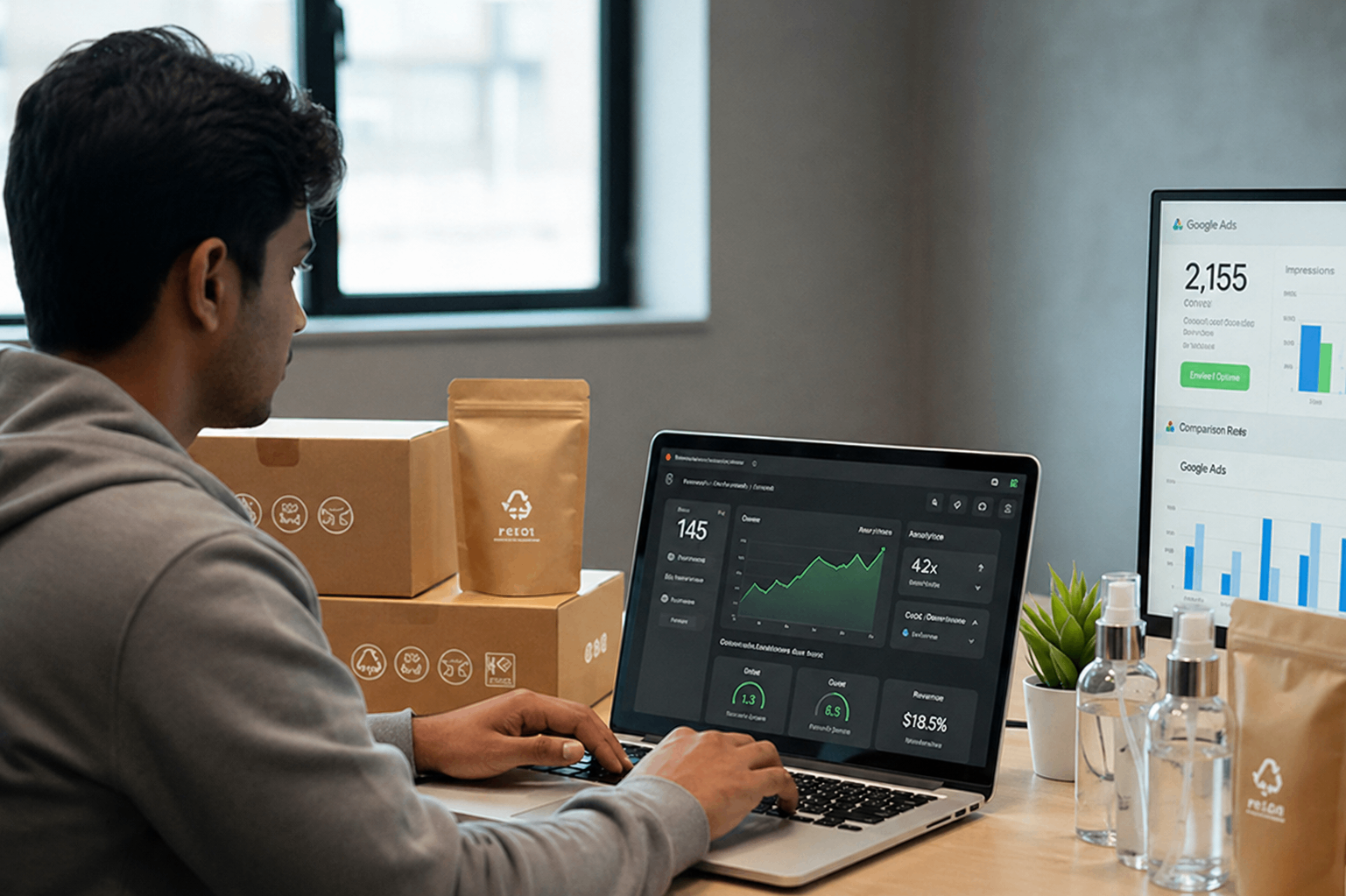
The obvious bets in sustainability have already been made - Solar, EVs and Recyclable packaging. These sectors attracted billions, spawned thousands of startups, and now increasingly look like commodity businesses, mature, crowded and consolidating.
But sustainability as a business challenge is still far from solved. Some of the most consequential problems have barely seen their first serious startup. The white spaces are large, regulatory tailwinds are building, and founders who move in now have the same early-mover advantage fintech players had when banks were still dismissing mobile payments. For those building sustainability careers in India, these are the spaces worth watching.
What's Already Been Built
To spot the gaps, you first need to see what is crowded.
Venture funding for solar and wind has plateaued. Crunchbase data shows 2024 wind and solar startup funding fell even as global energy demand rose, a signal that the technology has matured and competition is now on price, not innovation. EV and clean mobility saw massive investment between 2020 and 2022, but growth is moderating as OEMs scale up and consolidation sets in. Sustainable packaging has over 400 startups competing in a $240B+ market, yet funding has not kept pace analysts describe it as ripe for consolidation rather than new entry. Carbon credits, which drove billions into offsets in 2021–22, saw a market contraction in 2023 amid quality concerns and regulatory uncertainty.
These are not bad industries. They are simply no longer early.
Green Business Opportunities -That Haven't Been Built Yet
1. Biodiversity Credits
Carbon credits get all the attention, but the next frontier in environmental finance is biodiversity. A voluntary market is forming for biodiversity impacts, but only around 53 biodiversity-credit projects are active or in development globally today. International coalitions like the Biodiversity Credit Alliance and TNFD are actively pushing standards, and global flows to nature-based solutions reached $220 billion in 2023. Experts project this will evolve into a mature global market by 2030. The infrastructure to measure, verify, and trade biodiversity credits barely exists. That is the gap.
2. Climate Risk Advisory for Real Estate and Infrastructure
As physical climate risk becomes a financial risk, the market for climate analytics is growing fast. Israeli proptech GEOX raised $19M in 2024 to model asset-level climate risk for flood and fire damage. Earth-observation firm ICEYE raised $65M in late 2024 for disaster monitoring tied to insurance and infrastructure planning. The underlying need is enormous; the world has over $100 trillion in infrastructure that needs climate risk assessment. Startups like FloodBase and Pula are building pieces of this, but the advisory layer, helping real estate developers, lenders, and city planners actually act on this data remains largely unbuilt.
3. Sustainable Finance Tools for SMEs
ESG reporting mandates have reached large corporations. What they have not reached is the supplier base. Those corporations depend on millions of SMEs with no tools, no expertise, and no affordable financing to comply or compete. Indian SMEs alone needed an estimated $44 billion in clean-energy debt by 2022, making this one of the most underleveraged sustainability business ideas for careers in the country. SIDBI has announced a $1 billion climate fund targeting MSMEs, and U.S. climate fintech GreenFi launched with $17M in seed funding in 2025 to offer green banking and loans for smaller businesses. The digital infrastructure to serve this segment at scale: green loan products, ESG compliance tools, and carbon tracking for SMEs, is only beginning to be built.
4. Circular Economy Infrastructure for Fashion
The global circular fashion market was $7.8 billion in 2024 and is projected to nearly double to $15.8 billion by 2032. eBay has committed $1 billion to a Circular Fashion Fund for startups in resale and repair. Brands like H&M and North Face have launched take-back programs. But the backend infrastructure, reverse logistics, quality grading, repair networks, fibre-to-fibre recycling is far behind the consumer demand it is supposed to serve. The storefront exists. The supply chain does not.
5. Biomaterials and Next-Generation Material Substitutes
This is where early-stage activity is accelerating fastest. Bioplastics, mycelium-based packaging, algae composites, and plant-based leathers are moving from lab to market. The global biomaterials market sits at around $237 billion in 2025 and is projected to reach $837 billion by 2033. Around 980 biomaterials startups are operating worldwide, with Bangalore among the top three global hubs. Indian biopolymer startup UKHI raised ₹10.5 crore for compostable bioplastics in 2023.
What makes this category compelling is that it addresses a problem no amount of recycling infrastructure fully solves the material itself. Student venture Mellovia is an early example of this thinking applied at the consumer level: non-toxic kitchenware made from natural rice husk, a biodegradable alternative to plastic designed for everyday use. It is early, but it is exactly the kind of product innovation that the biomaterials shift makes possible.
Why India Is Particularly Positioned
India's sustainability-tech sector now comprises around 11,900 companies that have raised approximately $29.9 billion in VC and PE funding. But most of that capital has concentrated in EV, mobility, and energy. In Q3 2024, India saw around 32 EV and mobility deals versus far fewer in circular economy or new materials.
The less-explored niches, biomaterials, climate fintech, biodiversity credits, climate risk advisory are where India's next sustainability entrepreneurs have the least competition and the most room to define the category. This is where sustainable entrepreneurship in India is still wide open.
The Pattern Is the Same Every Time
Every major business function was once considered too niche or too early. Sustainability is following the same arc from compliance exercise to core function to entrepreneurial frontier. The sectors that seem obvious in 2030 are being built right now, mostly by people who saw the gap before it had a name. The future of sustainability careers in India in 2030 will be defined by who entered these spaces in 2025.
Especially for students exploring sustainability careers in India, the question is not whether the market exists, it is whether you are building for where it is, or where it is going.
 QUERIES
Frequently Asked Questions
