


About us


-
See what students, mentors, alumni and recruiters say about Masters' Union University. Shared highlights and moments that reflect our culture, learning and community. Explore their voices.
OVERVIEW


-
See how Masters’ Union University is represented across leading news and media platforms. Explore articles, features, and press coverage that reflect our journey, initiatives, and growing impact in education, innovation, and industry engagement.
OVERVIEW
-
Explore the awards, rankings and accreditations that recognise the quality, impact and industry relevance of Masters' Union University programmes.
OVERVIEW
-
Explore the reports, brochures, policies, and publications that document Masters' Union University's outcomes, standards, and institutional commitments.
OVERVIEW


PROGRAMMEs
- Highlights
- Curriculum
- Admissions & Fees
- Immersions
- Entrepreneurship
- Careers
- Class Profile
PROGRAMME oVERVIEW
- Highlights
- Curriculum
- Admissions & Fees
- Immersions
- Entrepreneurship
- Career Prospects
- Class Profile
PROGRAMME oVERVIEW
- Highlights
- Curriculum & Faculty
- Immersions
- Admissions & Fees
- Career Prospects
- Class Profile
PROGRAMME oVERVIEW
- Highlights
- Curriculum
PROGRAMME oVERVIEW
- Home
PROGRAMME oVERVIEW
- Highlights
- Curriculum & Faculty
- Admissions & Fees
- Career Prospects
- Class Profile
PROGRAMME oVERVIEW
- Highlights
- Curriculum & Faculty
- Admissions & Fees
- Career Prospects
- Class Profile
PROGRAMME oVERVIEW
- Highlights
- Curriculum
- Admissions & Fees
- Career Prospects
- Class Profile
PROGRAMME oVERVIEW
PROGRAMMEs
- Highlights
- Curriculum & Faculty
- Admissions & Fees
- Career Prospects
- Class Profile
PROGRAMME oVERVIEW
- Highlights
- Curriculum & Faculty
- Admissions & Fees
- Career Prospects
- Class Profile
PROGRAMME oVERVIEW
- Highlights
- Curriculum
- Admissions & Fees
- Career Prospects
- Class Profile
PROGRAMME oVERVIEW
- Highlights
- Curriculum & Faculty
- Admissions & Fees
- Career Prospects
- Class Profile
PROGRAMME oVERVIEW
- Highlights
- Curriculum & Faculty
- Admissions & Fees
- Career Prospects
- Class Profile
PROGRAMME oVERVIEW
- Highlights
- Curriculum
- Admissions & Fees
- Career Prospects
- Class Profile
PROGRAMME oVERVIEW
- Highlights
- Curriculum
- Admissions & Fees
- Career Prospects
- Class Profile
PROGRAMME oVERVIEW
PROGRAMMES
-
PGP in
Technology & Business Management

-
PGP in
Technology & Business Management
(Young Leaders Cohort)
-
Post Graduate Diploma (Human Resources and Organisation Strategy)
-
Post Graduate Diploma (Sports Management and Gaming)
-
PGP in
Applied AI & Agentic Systems
-
PGP in Sustainability &
Business Management
-
Four Nations Global
Business Programme
- Highlights
- Curriculum
- Immersions
- Admissions & Fees
- Career Prospects
- Cohort Profile
PROGRAMME oVERVIEW
- Highlights
- Curriculum
- Immersions
- Admissions & Fees
- Career Prospects
- Faculty & Student Stories
PROGRAMME oVERVIEW
- Highlights
- Curriculum
- Immersions
- Admissions & Fees
- Career Prospects
PROGRAMME oVERVIEW
- Highlights
- Curriculum & Faculty
- Admissions & Fees
- Career Prospects
PROGRAMME oVERVIEW
- Highlights
- Curriculum & Faculty
- Admissions & Fees
- Career Prospects
PROGRAMME OVERVIEW
- Highlights
- Curriculum & Faculty
- Admissions & Fees
PROGRAMME OVERVIEW
- Highlights
PROGRAMME OVERVIEW
- Highlights
- Curriculum
- Immersions
- Admissions & Fees
- Career Prospects
- Cohort Profile
PROGRAMME oVERVIEW
PROGRAMMES
-
Post Graduate Diploma (Rise General Management)
-
Post Graduate Diploma (Capital Markets & Trading)
-
PGP in US Capital Markets &
Trading
-
PGP
in Entrepreneurship & Business Acceleration
-
Post Graduate Diploma (Rise General Management Global)
-
AI First Operator Programme
-
Bloomberg Equity Research Programme
- Highlights
- Curriculum
- Faculty
- Admissions & Fees
- Career Prospects
- Cohort Profile
PROGRAMME oVERVIEW
- Home
PROGRAMME oVERVIEW
- Highlights
- Curriculum
- Admissions & Fees
PROGRAMME oVERVIEW
- Highlights
- Curriculum
- Admissions & Fees
PROGRAMME oVERVIEW
- Highlights
- Curriculum
- Immersions
- Faculty & Coaches
- Admissions & Fees
- Career Prospects
PROGRAMME oVERVIEW
- Highlights
- Curriculum
PROGRAMME oVERVIEW
- Home
PROGRAMME oVERVIEW
- Highlights
- Global Immersions
- Curriculum
- Faculty & Coaches
- Leadership Learning
- Admissions & Fees
PROGRAMME oVERVIEW
- Highlights
- Curriculum
- Admissions & Fees
PROGRAMME oVERVIEW
PROGRAMMES
- Highlights
- Curriculum
- Beyond Classroom
- Admissions & Fees
PROGRAMME oVERVIEW
- Highlights
- Curriculum
- Beyond Classroom
- Admissions & Fees
PROGRAMME oVERVIEW
- Home
PROGRAMME oVERVIEW
- Home
PROGRAMME oVERVIEW
PROGRAMMES
- Home
PROGRAMME oVERVIEW
- Highlights
- Curriculum
- Beyond Classroom
- Admissions & Fees
PROGRAMME oVERVIEW
- Home
PROGRAMME oVERVIEW
- Home
PROGRAMME oVERVIEW
STUDENT LIFE
- Student Premises
- Amenities
- Hostel Council
oVERVIEW


- Case Union
- UnMute
- Clubs & Committees
oVERVIEW


oVERVIEW

- Healthcare
- BFSI
- Technology
- Manufacturing
- Retail
Industry
- Governments
- Universities
- Startups
- SMEs
- Large Enterprises
Industry
oVERVIEW
PROGRAMMEs
- Highlights
- Curriculum & Faculty
- Admissions & Fees
- Career Prospects
- Class Profile
PROGRAMME oVERVIEW
- Highlights
- Curriculum & Faculty
- Admissions & Fees
- Career Prospects
- Class Profile
PROGRAMME oVERVIEW
- Highlights
- Curriculum
- Admissions & Fees
- Career Prospects
- Class Profile
PROGRAMME oVERVIEW
- Highlights
- Curriculum & Faculty
- Admissions & Fees
- Career Prospects
- Class Profile
PROGRAMME oVERVIEW
- Highlights
- Curriculum & Faculty
- Admissions & Fees
- Career Prospects
- Class Profile
PROGRAMME oVERVIEW
- Highlights
- Curriculum
- Admissions & Fees
- Career Prospects
- Class Profile
PROGRAMME oVERVIEW
- Highlights
- Curriculum
- Admissions & Fees
- Career Prospects
- Class Profile
PROGRAMME oVERVIEW
PROGRAMMES
- Highlights
- Curriculum
- Immersions
- Admissions & Fees
- Career Prospects
- Cohort Profile
PROGRAMME oVERVIEW
- Highlights
- Curriculum
- Immersions
- Admissions & Fees
- Career Prospects
- Faculty & Student Stories
PROGRAMME oVERVIEW
- Highlights
- Curriculum
- Immersions
- Admissions & Fees
- Career Prospects
PROGRAMME oVERVIEW
- Highlights
- Curriculum & Faculty
- Admissions & Fees
- Career Prospects
PROGRAMME oVERVIEW
- Highlights
- Curriculum
- Immersions
- Admissions & Fees
- Career Prospects
- Cohort Profile
PROGRAMME oVERVIEW
PROGRAMMES
- Highlights
- Curriculum
- Faculty
- Admissions & Fees
- Career Prospects
- Cohort Profile
PROGRAMME oVERVIEW
- Highlights
- Curriculum
- Admissions & Fees
PROGRAMME oVERVIEW
- Highlights
- Curriculum
- Admissions & Fees
PROGRAMME oVERVIEW
- Highlights
- Curriculum
- Immersions
- Faculty & Coaches
- Admissions & Fees
- Career Prospects
PROGRAMME oVERVIEW
- Highlights
- Global Immersions
- Curriculum
- Faculty & Coaches
- Leadership Learning
- Admissions & Fees
PROGRAMME oVERVIEW
- Highlights
- Curriculum
- Admissions & Fees
PROGRAMME oVERVIEW


About Us

Undergraduate
Postgraduate
PGP in Technology & Business Management
PGP in Technology & Business Management
(Young Leaders Cohort)
Post Graduate Diploma (Human Resources and Organisation Strategy)
Post Graduate Diploma (Sports Management and Gaming)
PGP in Applied AI & Agentic Systems
PGP in Sustainability & Business Management
Four Nations Global Business Programme
Executive
Post Graduate Diploma (Rise General Management)
Post Graduate Diploma (Capital Markets & Trading)
PGP in US Capital Markets & Trading
PGP in Entrepreneurship & Business Acceleration
Post Graduate Diploma (Rise General Management Global)
AI First Operator Programme
Bloomberg Equity Research Programme
Family Business
Immersions
1:1 Executive Coaching
Careers
Innovations
Faculty
MU Ventures
Enterprise L&D
Student Life
Jobs
Become a Master
Merch Store
events
For Companies
Blog
Coach LMS
Design Careers
How UI/UX Design Careers Are Evolving: Emerging Roles & Skills to Know
May 8, 2026
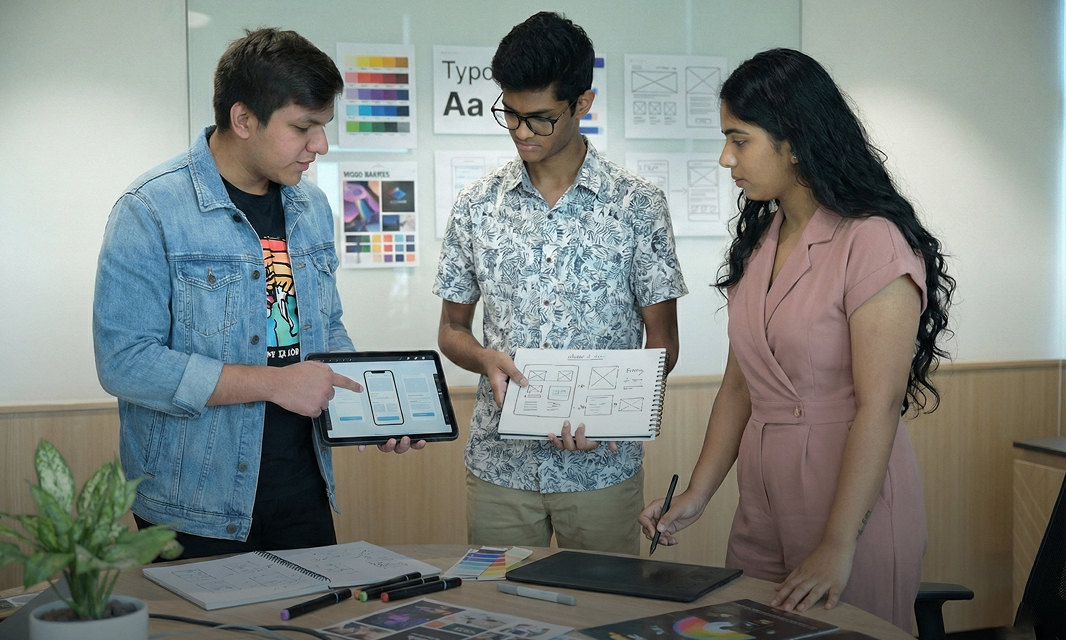
A few years ago, a UI/UX designer in India was primarily responsible for making things look good and feel usable. The role was real and valuable, but it was downstream of the decisions that actually shaped a product.
That position has shifted. At companies like Razorpay, Zepto, CRED, and PhonePe, designers are in the room when product strategy is being set, not brought in at the end to polish what engineers have already built. They are conducting research that challenges product assumptions, connecting design decisions to conversion metrics, and working with AI tools as a native part of how they prototype and iterate.
The skills required for a UI/UX designer today are not the same as they were three years ago. And the gap between the designers who have built these capabilities and those who have not is showing up directly in what they are being paid.
How the UI/UX Designer Role Has Changed?
The most significant shift is not in the tools. It is where design sits within the product organisation.
Traditionally, a product designer received a brief, executed it, and handed it off to engineering. Feedback came after launch, if at all. The role was execution-focused and largely separate from the business conversation happening upstream.
In India's current product landscape, that model has been replaced by something more integrated. Designers are expected to bring research into strategy conversations before a brief is written. They are expected to understand which business metrics their work affects. And they are expected to iterate with engineering continuously rather than hand off and move on.
McKinsey's Business Value of Design report tracked 300 companies over five years and found that top-quartile design performers outperformed industry peers with 32% higher revenue growth. When design is measurable in business terms, the people doing it get compensated differently.
Source: McKinsey, The Business Value of Design
This shift is what has made product design a high-paying career in India. It is not that the field became more popular. It is that the role became more valuable to the business, and compensation followed.
The Skills That Define a UI/UX Designer in 2026
The skills required for a UI/UX designer career in India have expanded significantly. The baseline of visual design and prototyping still matters, but it is now the floor rather than the ceiling.
Skill 1
User Research – not as a phase, but as a practice
Field studies, user interviews, usability testing, qualitative synthesis, journey mapping. The ability to go into the market, talk to users, make sense of what they find, and turn it into design decisions that can be defended in a cross-functional review. This is the skill that most short courses introduce conceptually but rarely build to a level where it transfers into real work. It is also the skill that hiring managers consistently identify as the hardest to find in candidates.
Skill 2
Product and Business Thinking – connecting design to outcomes
Conversion rates, activation drop-offs, retention curves, A/B testing logic. A UI/UX designer who cannot engage with these is useful for a limited amount of time at a product company. The ones who understand which metric a design decision affects, and can articulate that clearly, are the ones who move from execution into influence. This skill is built through exposure to real product problems with real business stakes, not through classroom instruction on design thinking frameworks.
Skill 3
AI Fluency – directing AI tools, not competing with them
The most significant skills shift in the field over the last two years. Designers who understand how to use generative AI to accelerate ideation, prototype with AI assistance, and design for AI-native interaction models are operating at a level that the majority of the market has not yet reached. This is not about knowing which buttons to press in an AI tool. It is about understanding what AI can and cannot do well enough to direct it toward specific user problems and business goals.
Skill 4
Technical Fluency – not coding, but speaking the language
Most product design roles in India do not require coding. What they do require is enough understanding of how interfaces are built to design within real constraints and to communicate credibly with engineering teams. Designers who understand component structures, responsive behaviour, and platform constraints produce work that survives the handoff intact. Those who do not find their designs regularly compromised in implementation, which affects both product quality and professional standing.
The Design Job Roles That Are Growing
The product design career path in India is no longer a single track. Several distinct specialisations have emerged, each with its own skill requirements and career trajectories.
Product Designer
The broadest role. Owns the full experience across research, UX, and UI. Most common title at product startups and tech companies. Works closely with engineering and product management.
AI Product Designer
One of the fastest-growing specialisations. Designs for AI-native interfaces, conversational systems, and adaptive experiences. Hardest profile to hire in India right now.
Growth Designer
Applies design specifically to conversion, retention, and activation problems. Works closely with data and product teams. Common at fintech and consumer tech companies.
UX Researcher
Focuses entirely on understanding users. Runs qualitative and quantitative studies, synthesises findings into product decisions. In short supply across India's product market.
Interaction Designer
Specialises in motion, transitions, and how products respond to input. Increasingly valued as product quality bars rise and AI-driven interactions become more common.
Design Strategist
Works at the intersection of business and design. Helps organisations translate strategy into design direction. Typically requires several years of product design experience first.
The common thread across the higher-valued roles is not visual skill. It is the ability to connect design to research, business outcomes, and increasingly, AI-native product thinking. That is the direction the field is moving, and it is where the career opportunities are concentrating.
What the Salaries Actually Reflect
The salary range for UI/UX designers in India is wide, and where someone lands within it is a direct reflection of the skills above, rather than years of experience alone.
|
Entry-level (0-2 yrs) |
Mid-level (3-5 yrs) |
Senior-level (5+ yrs) |
|
4.5 to 10 LPA |
10 to 18 LPA |
18 to 28 LPA |
Source: AmbitionBox 2025
Senior roles at product companies like Swiggy, Flipkart, and PhonePe commonly offer 20 LPA and above. Director and Head of Design roles at larger organisations reach 35 to 55 LPA. The average across all experience levels sits at approximately 6.9 LPA, but averages flatten what is actually a steep trajectory for designers who build the right depth of capability early.
The salary gap between designers who plateau at the lower end and those who move through it quickly comes down to the same three things consistently: research capability, product thinking, and AI fluency. These are not skills that develop quickly in a short course. They develop through sustained exposure to real product problems with real stakes.
What a Postgraduate Design Programme Changes About the Trajectory
The designers entering the market at the higher end of entry-level ranges are not the ones with the most certificates. They are the ones who built research capability, product thinking, and AI fluency through sustained work on real problems, not conceptual exposure to them.
A short course introduces these skills. A postgraduate UI/UX design programme built around live industry challenges, real clients, and measurable business outcomes actually develops them. That distinction is what determines where a candidate lands in the salary range and how fast they move through it.
Masters' Union PG Programme in UI/UX and AI Product Design is built around exactly this model.
Across five terms, students work on live industry challenges alongside real companies, from auditing dark patterns in consumer apps to designing AI-native dashboards with measurable productivity targets.
Faculty come from Swiggy, Google, Amazon, and BharatPe. The curriculum integrates research, craft, and AI fluency from the first term because that is how the job actually works at the product companies worth joining.
Graduates leave with a portfolio built on real briefs, the ability to connect design decisions to business outcomes, and the AI fluency to work at the level the market is now hiring for. That is the combination that the salary data is rewarding.
 QUERIES
Frequently Asked Questions

AI Product Designer – one of the hardest profiles to hire, commanding significant premiums Head of Design / Design Director – 35 to 55 LPA at large product organisations Senior Product Designer at funded startups – 20 LPA and above at companies like Swiggy, PhonePe, and Flipkart Growth Designer – valued at fintech and consumer tech companies for direct impact on metrics
A postgraduate programme that is built around real industry challenges builds the three skills driving the salary gap, research depth, product thinking, and AI fluency, over a sustained period. This produces portfolio work that demonstrates real problem-solving, which is what actually determines where a candidate lands in the salary range and how fast they progress through it.