


About us

-
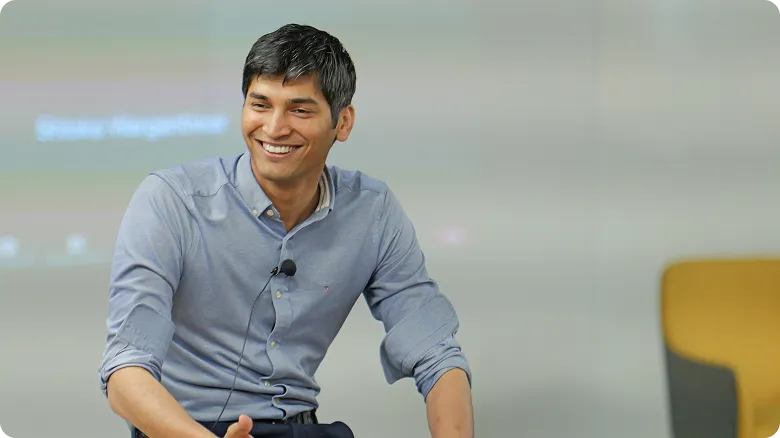
See what students, mentors, alumni and recruiters say about Masters' Union University. Shared highlights and moments that reflect our culture, learning and community. Explore their voices.
OVERVIEW

-
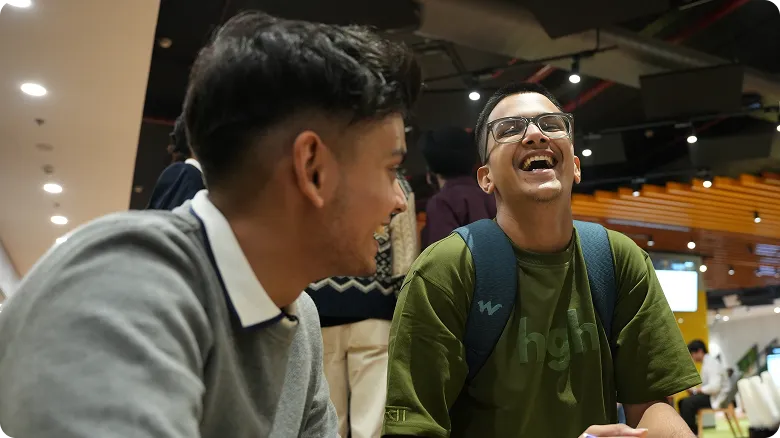
See how Masters’ Union University is represented across leading news and media platforms. Explore articles, features, and press coverage that reflect our journey, initiatives, and growing impact in education, innovation, and industry engagement.
OVERVIEW
-
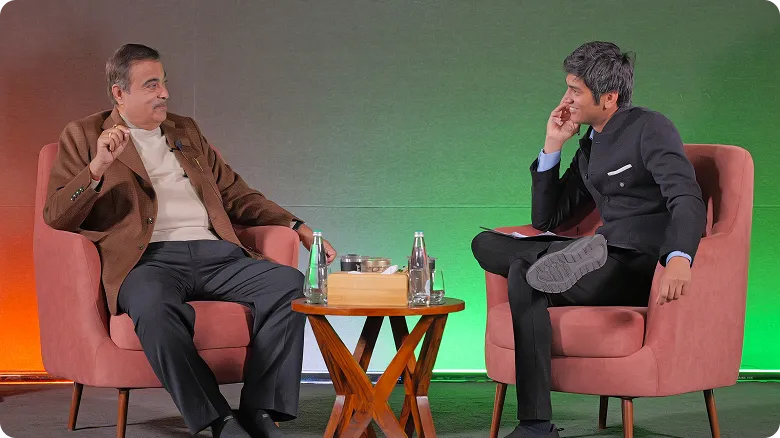
Explore the awards, rankings and accreditations that recognise the quality, impact and industry relevance of Masters' Union University programmes.
OVERVIEW
-
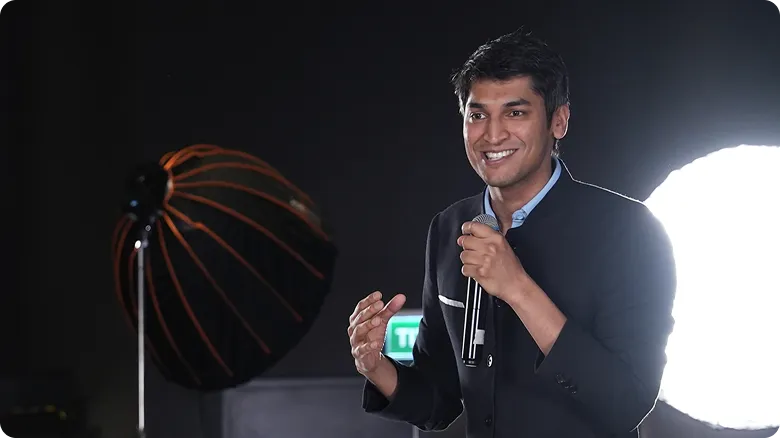
Explore the reports, brochures, policies, and publications that document Masters' Union University's outcomes, standards, and institutional commitments.
OVERVIEW


PROGRAMMEs
- Highlights
- Curriculum
- Admissions & Fees
- Immersions
- Entrepreneurship
- Careers
- Class Profile
PROGRAMME oVERVIEW
- Highlights
- Curriculum
- Admissions & Fees
- Immersions
- Entrepreneurship
- Career Prospects
- Class Profile
PROGRAMME oVERVIEW
- Highlights
- Curriculum & Faculty
- Immersions
- Admissions & Fees
- Career Prospects
- Class Profile
PROGRAMME oVERVIEW
- Highlights
- Curriculum
PROGRAMME oVERVIEW
- Home
PROGRAMME oVERVIEW
- Highlights
- Curriculum & Faculty
- Admissions & Fees
- Career Prospects
- Class Profile
PROGRAMME oVERVIEW
- Highlights
- Curriculum & Faculty
- Admissions & Fees
- Career Prospects
- Class Profile
PROGRAMME oVERVIEW
- Highlights
- Curriculum
- Admissions & Fees
- Career Prospects
- Class Profile
PROGRAMME oVERVIEW
PROGRAMMEs
- Highlights
- Curriculum & Faculty
- Admissions & Fees
- Career Prospects
- Class Profile
PROGRAMME oVERVIEW
- Highlights
- Curriculum & Faculty
- Admissions & Fees
- Career Prospects
- Class Profile
PROGRAMME oVERVIEW
- Highlights
- Curriculum
- Admissions & Fees
- Career Prospects
- Class Profile
PROGRAMME oVERVIEW
- Highlights
- Curriculum & Faculty
- Admissions & Fees
- Career Prospects
- Class Profile
PROGRAMME oVERVIEW
- Highlights
- Curriculum & Faculty
- Admissions & Fees
- Career Prospects
- Class Profile
PROGRAMME oVERVIEW
- Highlights
- Curriculum
- Admissions & Fees
- Career Prospects
- Class Profile
PROGRAMME oVERVIEW
- Highlights
- Curriculum
- Admissions & Fees
- Career Prospects
- Class Profile
PROGRAMME oVERVIEW
PROGRAMMES
-
PGP in
Technology & Business Management

-
PGP in
Technology & Business Management
(Young Leaders Cohort)
-
MBA in Finance with CFA Pathway
-
Post Graduate Diploma (Human Resources and Organisation Strategy)
-
Post Graduate Diploma (Sports Management and Gaming)
-
PGP in
Applied AI & Agentic Systems
-
PGP in Sustainability &
Business Management
-
Four Nations Global
Business Programme
- Highlights
- Curriculum
- Immersions
- Admissions & Fees
- Career Prospects
- Cohort Profile
PROGRAMME oVERVIEW
- Home
PROGRAMME OVERVIEW
- Highlights
- Curriculum
- Immersions
- Admissions & Fees
- Career Prospects
- Faculty & Student Stories
PROGRAMME oVERVIEW
- Highlights
- Curriculum
- Immersions
- Admissions & Fees
- Career Prospects
PROGRAMME oVERVIEW
- Highlights
- Curriculum & Faculty
- Admissions & Fees
- Career Prospects
PROGRAMME oVERVIEW
- Highlights
- Curriculum & Faculty
- Admissions & Fees
- Career Prospects
PROGRAMME OVERVIEW
- Highlights
- Curriculum & Faculty
- Admissions & Fees
PROGRAMME OVERVIEW
- Highlights
PROGRAMME OVERVIEW
- Highlights
- Curriculum
- Immersions
- Admissions & Fees
- Career Prospects
- Cohort Profile
PROGRAMME oVERVIEW
PROGRAMMES
-
Post Graduate Diploma (Rise General Management)
-
Post Graduate Diploma (Capital Markets & Trading)
-
PGP in US Capital Markets &
Trading
-
PGP
in Entrepreneurship & Business Acceleration
-
Post Graduate Diploma (Rise General Management Global)
-
AI First Operator Programme
-
Bloomberg Equity Research Programme
- Highlights
- Curriculum
- Faculty
- Admissions & Fees
- Career Prospects
- Cohort Profile
PROGRAMME oVERVIEW
- Home
PROGRAMME oVERVIEW
- Highlights
- Curriculum
- Admissions & Fees
PROGRAMME oVERVIEW
- Highlights
- Curriculum
- Admissions & Fees
PROGRAMME oVERVIEW
- Highlights
- Curriculum
- Immersions
- Faculty & Coaches
- Admissions & Fees
- Career Prospects
PROGRAMME oVERVIEW
- Highlights
- Curriculum
PROGRAMME oVERVIEW
- Home
PROGRAMME oVERVIEW
- Highlights
- Global Immersions
- Curriculum
- Faculty & Coaches
- Leadership Learning
- Admissions & Fees
PROGRAMME oVERVIEW
- Highlights
- Curriculum
- Admissions & Fees
PROGRAMME oVERVIEW
PROGRAMMES
- Highlights
- Curriculum
- Beyond Classroom
- Admissions & Fees
PROGRAMME oVERVIEW
- Highlights
- Curriculum
- Beyond Classroom
- Admissions & Fees
PROGRAMME oVERVIEW
- Home
PROGRAMME oVERVIEW
- Home
PROGRAMME oVERVIEW
PROGRAMMES
- Home
PROGRAMME oVERVIEW
- Highlights
- Curriculum
- Beyond Classroom
- Admissions & Fees
PROGRAMME oVERVIEW
- Home
PROGRAMME oVERVIEW
- Home
PROGRAMME oVERVIEW
STUDENT LIFE
- Student Premises
- Amenities
- Hostel Council
oVERVIEW


- Case Union
- UnMute
- Clubs & Committees
oVERVIEW
oVERVIEW
- Healthcare
- BFSI
- Technology
- Manufacturing
- Retail
Industry
- Governments
- Universities
- Startups
- SMEs
- Large Enterprises
Industry
oVERVIEW
PROGRAMMEs
- Highlights
- Curriculum & Faculty
- Admissions & Fees
- Career Prospects
- Class Profile
PROGRAMME oVERVIEW
- Highlights
- Curriculum & Faculty
- Admissions & Fees
- Career Prospects
- Class Profile
PROGRAMME oVERVIEW
- Highlights
- Curriculum
- Admissions & Fees
- Career Prospects
- Class Profile
PROGRAMME oVERVIEW
- Highlights
- Curriculum & Faculty
- Admissions & Fees
- Career Prospects
- Class Profile
PROGRAMME oVERVIEW
- Highlights
- Curriculum & Faculty
- Admissions & Fees
- Career Prospects
- Class Profile
PROGRAMME oVERVIEW
- Highlights
- Curriculum
- Admissions & Fees
- Career Prospects
- Class Profile
PROGRAMME oVERVIEW
- Highlights
- Curriculum
- Admissions & Fees
- Career Prospects
- Class Profile
PROGRAMME oVERVIEW
PROGRAMMES
- Highlights
- Curriculum
- Immersions
- Admissions & Fees
- Career Prospects
- Cohort Profile
PROGRAMME oVERVIEW
- Home
PROGRAMME OVERVIEW
- Highlights
- Curriculum
- Immersions
- Admissions & Fees
- Career Prospects
- Faculty & Student Stories
PROGRAMME oVERVIEW
- Highlights
- Curriculum
- Immersions
- Admissions & Fees
- Career Prospects
PROGRAMME oVERVIEW
- Highlights
- Curriculum & Faculty
- Admissions & Fees
- Career Prospects
PROGRAMME oVERVIEW
- Highlights
- Curriculum
- Immersions
- Admissions & Fees
- Career Prospects
- Cohort Profile
PROGRAMME oVERVIEW
PROGRAMMES
- Highlights
- Curriculum
- Faculty
- Admissions & Fees
- Career Prospects
- Cohort Profile
PROGRAMME oVERVIEW
- Highlights
- Curriculum
- Admissions & Fees
PROGRAMME oVERVIEW
- Highlights
- Curriculum
- Admissions & Fees
PROGRAMME oVERVIEW
- Highlights
- Curriculum
- Immersions
- Faculty & Coaches
- Admissions & Fees
- Career Prospects
PROGRAMME oVERVIEW
- Highlights
- Global Immersions
- Curriculum
- Faculty & Coaches
- Leadership Learning
- Admissions & Fees
PROGRAMME oVERVIEW
- Highlights
- Curriculum
- Admissions & Fees
PROGRAMME oVERVIEW


About Us

Undergraduate
Postgraduate
PGP in Technology & Business Management
PGP in Technology & Business Management
(Young Leaders Cohort)
MBA in Finance with CFA Pathway
Post Graduate Diploma (Human Resources and Organisation Strategy)
Post Graduate Diploma (Sports Management and Gaming)
PGP in Applied AI & Agentic Systems
PGP in Sustainability & Business Management
Four Nations Global Business Programme
Executive
Post Graduate Diploma (Rise General Management)
Post Graduate Diploma (Capital Markets & Trading)
PGP in US Capital Markets & Trading
PGP in Entrepreneurship & Business Acceleration
Post Graduate Diploma (Rise General Management Global)
AI First Operator Programme
Bloomberg Equity Research Programme
Family Business
Immersions
1:1 Executive Coaching
Careers
Innovations
Faculty
MU Ventures
Enterprise L&D
Student Life
Jobs
Become a Master
Merch Store
events
For Companies
Blog
Coach LMS
Business
Why India's Sports Industry Needs Business Minds as Much as Athletes: Insights from Vedika Anand
March 13, 2026
Can passion, ambition and hard work alone build a career in sports? Or do you also need someone who has walked the path - a coach, a mentor, a navigator to help you become who you're meant to be?
For most of us in our early 20s, the sports industry feels like a world with one visible door: become an athlete or walk away. What lies beyond that door is the strategy, the business, the ecosystem, rarely gets talked about.
At Masters' Union, we believe those conversations deserve a stage.
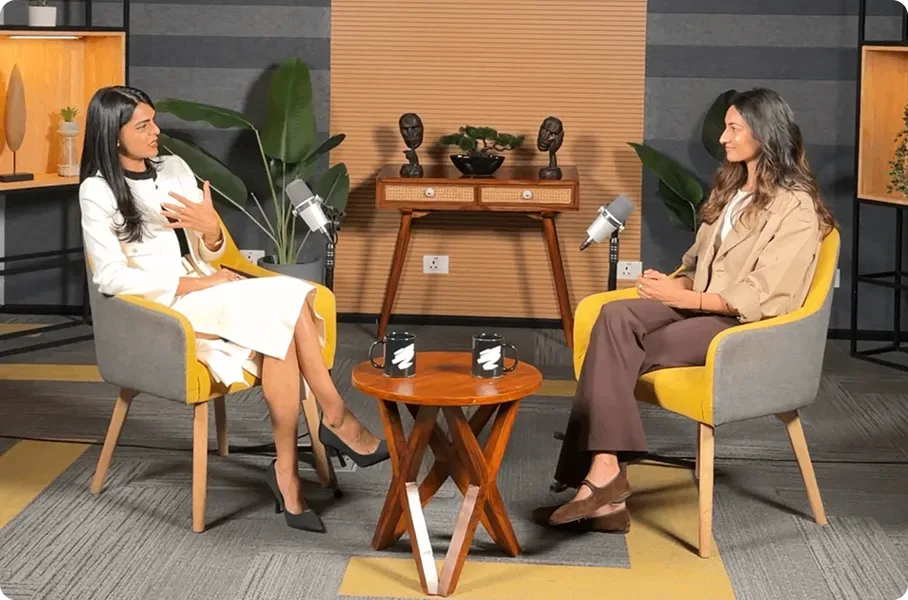
We recently hosted Vedika Anand, Former Tennis Player and one of the most compelling voices in India's growing sports business landscape, for a fireside chat with Tara Anand, Associate Director, Marketing at Masters’ Union Tara Anand. Together, they unpacked Vedika's journey from competing across disciplines to shaping the strategic side of Indian sports.
This conversation was built for every young professional who loves the game but wonders whether there's a place for them beyond the field. The answer, as Vedika makes clear, is a resounding yes if you know where to look and how to position yourself.
What follows is the story. Watch the full podcast here.
How Vedika Transitioned from a Professional Athlete to Working in Different Roles in Sports
Passion alone won't get you there, but it's where every great career begins
Vedika Anand picked up a tennis racket at six. By her teens, she was competing across multiple sports and leading teams. But even as her love for sport deepened, she recognised something most young athletes take years to accept, loving the game and building a career in it are two very different conversations.
At 17, she made a bold move: relocating to Staten Island, New York, to play collegiate tennis at Wagner College. Four years of American college athletics gave her far more than a game, it gave her discipline, adaptability, and a front-row seat to how professional sports systems actually function.
Then COVID-19 arrived. And like many inflection points in remarkable careers, it forced a question: what next?
Vedika chose to hang up the racket but not her connection with sport. With her family's support, she pivoted into sports consulting, determined to shape the industry from the inside rather than compete within it.
The lesson: your athletic background isn't a fallback. It's your first unfair advantage.
India's Sports Ecosystem Is Far Bigger Than What's On Your Screen
Most people see Indian sports through one lens, i.e., cricket. But Vedika reframes that picture.
The Indian sports ecosystem today spans youth academies and professional leagues. These include the IPL, ISL and Pro Kabaddi League & broadcast giants like Sony and Star Sports. Moreover, some fantasy platforms like Dream11 and FanCode and a rapidly maturing sponsorship and brand activation economy are also present.
Behind every match broadcast, every athlete endorsement, every stadium experience — there is an entire infrastructure of professionals making it work. Operations managers. PR strategists. Content creators. Marketing leads. Data analysts. Brand managers.
For young professionals, this is the most important mental shift: a career in sports does not require you to be a professional athlete. It requires you to understand the ecosystem well enough to add value within it.
The Skills That Actually Get You Hired in Sports
Here's what Vedika emphasises and what most career guides won't tell you.
Athletes bring a set of skills that the corporate world spends years trying to teach: discipline, resilience, the ability to perform under pressure, and an instinctive understanding of teamwork. If you've competed seriously, you already have these.
But the sports industry in India also needs professionals who can read a balance sheet, negotiate a sponsorship deal, build a content strategy, or manage athlete-brand relationships. Skills from finance, marketing, communications, and business analytics translate directly and powerfully into sports roles.
In India especially, sports professionals often wear multiple hats simultaneously. The person managing operations at a league might also be handling media coordination and sponsor servicing. Versatility isn't valued but expected.
The highest-value niche? Sponsorship. Professionals who understand both the brand's commercial objectives and the athlete's personal brand are extraordinarily rare and extraordinarily sought after.
How to Actually Break In: Start at the Ground Level
Her advice here is direct and practical: volunteer before you strategise.
Offer your time at tournaments. Work in operations, hospitality, event support. Say ‘yes’ to roles that feel beneath your ambition because they will teach you things no classroom can. How media rights are negotiated. How fan engagement is engineered. How sponsorship activations are executed on the ground.
From that foundation, career paths open naturally into sponsorship management, broadcasting, content creation, on-air presenting, agency work, and brand partnerships. The professionals who rise fastest in Indian sports are rarely those who started at the top. They're the ones who started everywhere and paid attention throughout.
The Sponsorship Gap: India's Most Underserved Career Opportunity
One of the most compelling insights from our conversation with Vedika was this: there is a persistent, significant gap between what brands want from sports partnerships and what athletes and their teams are able to articulate and deliver.
Professionals who can bridge that gap, who speak both languages fluently are building some of the most interesting careers in the industry today. Consulting practices, content strategy firms, athlete management agencies - these are all spaces where this dual fluency creates an immediate competitive edge.
If you're considering where to focus your early career energy, this is where the market is underserved and the opportunity is real.
Entrepreneurship, the Creator Economy and India's Global Sports Moment
Startups and direct-to-consumer brands are building communities around athletes in ways that traditional sponsorship never could. Community-led campaigns. Think Puma's work with Neeraj Chopra or Nike's women athlete initiatives are setting a new standard for how sport and brand intersect.
Simultaneously, the creator economy has opened an entirely new category of sports careers. Match analysis on YouTube. Athlete reaction content. Independent sports commentary. These aren't side projects anymore - they're viable, scalable professional paths.
And the timing for India has never been better. With the 2030 Commonwealth Games and a strong bid for the 2036 Olympics, India is positioning itself as a global sports destination. For young professionals entering the industry today, this is the equivalent of joining a company just before its IPO, the upside is enormous for those who move early and move smart.
The Ecosystem Behind Every Athlete You Admire
Here's a perspective shift worth sitting with: for every athlete performing at the highest level, there is an entire ecosystem operating invisibly behind them.
Coaches. Nutritionists. Performance analysts. Media managers. PR teams. Brand consultants. Event coordinators.
Success in sport at the professional level has never been a solo endeavour. Understanding this ecosystem isn't just intellectually interesting. It's professionally strategic. Every one of these roles represents a career pathway for someone who loves sport but whose greatest contributions will come from off the field.
Why a Holistic Career in Sports Is the New Competitive Advantage
The most versatile professionals in Indian sports today are rarely specialists in one function. They have moved across operations, communications, media and sponsorships - building a breadth of perspective that makes them invaluable in any room.
Flexibility and curiosity, Vedika argues, are not soft skills in this industry. They are core competencies. The professionals who stay rigid, define themselves too narrowly too early, find themselves outpaced by those who stayed adaptable and kept learning.
The Fitness Economy: A Career Opportunity Most People Overlook
Beyond professional sport, India's fitness and lifestyle sector is experiencing its own moment. Endurance challenges, community running events, wellness programmes, and fitness-led brand activations are creating an entirely new category of sports-adjacent careers.
For young professionals, this is an often-overlooked entry point - one that combines the energy of sport with the business of wellness, community building, and consumer engagement.
End Thoughts
Vedika Anand's journey - from a six-year-old with a tennis racket to a successful sports consultant and creator - is not a story about talent alone. It is a story about strategic curiosity. About knowing when to pivot. About understanding an ecosystem deeply enough to find your most valuable place within it.
For every young professional who loves sport and wonders whether there is a place for them beyond the playing field. Vedika's answer is unambiguous: there is. But you have to build it deliberately.
Volunteer, learn operations and understand sponsorships from both sides of the table. Apply the skills you already have. Stay adaptable. And above all, treat your career in sports the same way a great athlete treats their performance. With discipline, with strategy, and with the patience to play a long game.
The Indian sports industry is at an inflection point. The professionals who enter it now, with both passion and preparation, will be the ones defining it a decade from now.