


About us


-
See what students, mentors, alumni and recruiters say about Masters' Union University. Shared highlights and moments that reflect our culture, learning and community. Explore their voices.
OVERVIEW


-
See how Masters’ Union University is represented across leading news and media platforms. Explore articles, features, and press coverage that reflect our journey, initiatives, and growing impact in education, innovation, and industry engagement.
OVERVIEW
-
Explore the awards, rankings and accreditations that recognise the quality, impact and industry relevance of Masters' Union University programmes.
OVERVIEW

-
Explore the reports, brochures, policies, and publications that document Masters' Union University's outcomes, standards, and institutional commitments.
OVERVIEW


PROGRAMMEs
- Highlights
- Curriculum
- Admissions & Fees
- Immersions
- Entrepreneurship
- Careers
- Class Profile
PROGRAMME oVERVIEW
- Highlights
- Curriculum
- Admissions & Fees
- Immersions
- Entrepreneurship
- Career Prospects
- Class Profile
PROGRAMME oVERVIEW
- Highlights
- Curriculum & Faculty
- Immersions
- Admissions & Fees
- Career Prospects
- Class Profile
PROGRAMME oVERVIEW
- Highlights
- Curriculum
PROGRAMME oVERVIEW
- Home
PROGRAMME oVERVIEW
- Highlights
- Curriculum & Faculty
- Admissions & Fees
- Career Prospects
- Class Profile
PROGRAMME oVERVIEW
- Highlights
- Curriculum & Faculty
- Admissions & Fees
- Career Prospects
- Class Profile
PROGRAMME oVERVIEW
- Highlights
- Curriculum
- Admissions & Fees
- Career Prospects
- Class Profile
PROGRAMME oVERVIEW
PROGRAMMEs
- Highlights
- Curriculum & Faculty
- Admissions & Fees
- Career Prospects
- Class Profile
PROGRAMME oVERVIEW
- Highlights
- Curriculum & Faculty
- Admissions & Fees
- Career Prospects
- Class Profile
PROGRAMME oVERVIEW
- Highlights
- Curriculum
- Admissions & Fees
- Career Prospects
- Class Profile
PROGRAMME oVERVIEW
- Highlights
- Curriculum & Faculty
- Admissions & Fees
- Career Prospects
- Class Profile
PROGRAMME oVERVIEW
- Highlights
- Curriculum & Faculty
- Admissions & Fees
- Career Prospects
- Class Profile
PROGRAMME oVERVIEW
- Highlights
- Curriculum
- Admissions & Fees
- Career Prospects
- Class Profile
PROGRAMME oVERVIEW
- Highlights
- Curriculum
- Admissions & Fees
- Career Prospects
- Class Profile
PROGRAMME oVERVIEW
PROGRAMMES
-
PGP in
Technology & Business Management

-
PGP in
Technology & Business Management
(Young Leaders Cohort)
-
Post Graduate Diploma (Human Resources and Organisation Strategy)
-
Post Graduate Diploma (Sports Management and Gaming)
-
PGP in
Applied AI & Agentic Systems
-
PGP in Sustainability &
Business Management
-
Four Nations Global
Business Programme
- Highlights
- Curriculum
- Immersions
- Admissions & Fees
- Career Prospects
- Cohort Profile
PROGRAMME oVERVIEW
- Highlights
- Curriculum
- Immersions
- Admissions & Fees
- Career Prospects
- Faculty & Student Stories
PROGRAMME oVERVIEW
- Highlights
- Curriculum
- Immersions
- Admissions & Fees
- Career Prospects
PROGRAMME oVERVIEW
- Highlights
- Curriculum & Faculty
- Admissions & Fees
- Career Prospects
PROGRAMME oVERVIEW
- Highlights
- Curriculum & Faculty
- Admissions & Fees
- Career Prospects
PROGRAMME OVERVIEW
- Highlights
- Curriculum & Faculty
- Admissions & Fees
PROGRAMME OVERVIEW
- Highlights
PROGRAMME OVERVIEW
- Highlights
- Curriculum
- Immersions
- Admissions & Fees
- Career Prospects
- Cohort Profile
PROGRAMME oVERVIEW
PROGRAMMES
-
Post Graduate Diploma (Rise General Management)
-
Post Graduate Diploma (Capital Markets & Trading)
-
PGP in US Capital Markets &
Trading
-
PGP
in Entrepreneurship & Business Acceleration
-
Post Graduate Diploma (Rise General Management Global)
-
AI First Operator Programme
-
Bloomberg Equity Research Programme
- Highlights
- Curriculum
- Faculty
- Admissions & Fees
- Career Prospects
- Cohort Profile
PROGRAMME oVERVIEW
- Home
PROGRAMME oVERVIEW
- Highlights
- Curriculum
- Admissions & Fees
PROGRAMME oVERVIEW
- Highlights
- Curriculum
- Admissions & Fees
PROGRAMME oVERVIEW
- Highlights
- Curriculum
- Immersions
- Faculty & Coaches
- Admissions & Fees
- Career Prospects
PROGRAMME oVERVIEW
- Highlights
- Curriculum
PROGRAMME oVERVIEW
- Home
PROGRAMME oVERVIEW
- Highlights
- Global Immersions
- Curriculum
- Faculty & Coaches
- Leadership Learning
- Admissions & Fees
PROGRAMME oVERVIEW
- Highlights
- Curriculum
- Admissions & Fees
PROGRAMME oVERVIEW
PROGRAMMES
- Highlights
- Curriculum
- Beyond Classroom
- Admissions & Fees
PROGRAMME oVERVIEW
- Highlights
- Curriculum
- Beyond Classroom
- Admissions & Fees
PROGRAMME oVERVIEW
- Home
PROGRAMME oVERVIEW
- Home
PROGRAMME oVERVIEW
PROGRAMMES
- Home
PROGRAMME oVERVIEW
- Highlights
- Curriculum
- Beyond Classroom
- Admissions & Fees
PROGRAMME oVERVIEW
- Home
PROGRAMME oVERVIEW
- Home
PROGRAMME oVERVIEW
STUDENT LIFE
- Student Premises
- Amenities
- Hostel Council
oVERVIEW


- Case Union
- UnMute
- Clubs & Committees
oVERVIEW

oVERVIEW

- Healthcare
- BFSI
- Technology
- Manufacturing
- Retail
Industry
- Governments
- Universities
- Startups
- SMEs
- Large Enterprises
Industry
oVERVIEW
PROGRAMMEs
- Highlights
- Curriculum & Faculty
- Admissions & Fees
- Career Prospects
- Class Profile
PROGRAMME oVERVIEW
- Highlights
- Curriculum & Faculty
- Admissions & Fees
- Career Prospects
- Class Profile
PROGRAMME oVERVIEW
- Highlights
- Curriculum
- Admissions & Fees
- Career Prospects
- Class Profile
PROGRAMME oVERVIEW
- Highlights
- Curriculum & Faculty
- Admissions & Fees
- Career Prospects
- Class Profile
PROGRAMME oVERVIEW
- Highlights
- Curriculum & Faculty
- Admissions & Fees
- Career Prospects
- Class Profile
PROGRAMME oVERVIEW
- Highlights
- Curriculum
- Admissions & Fees
- Career Prospects
- Class Profile
PROGRAMME oVERVIEW
- Highlights
- Curriculum
- Admissions & Fees
- Career Prospects
- Class Profile
PROGRAMME oVERVIEW
PROGRAMMES
- Highlights
- Curriculum
- Immersions
- Admissions & Fees
- Career Prospects
- Cohort Profile
PROGRAMME oVERVIEW
- Highlights
- Curriculum
- Immersions
- Admissions & Fees
- Career Prospects
- Faculty & Student Stories
PROGRAMME oVERVIEW
- Highlights
- Curriculum
- Immersions
- Admissions & Fees
- Career Prospects
PROGRAMME oVERVIEW
- Highlights
- Curriculum & Faculty
- Admissions & Fees
- Career Prospects
PROGRAMME oVERVIEW
- Highlights
- Curriculum
- Immersions
- Admissions & Fees
- Career Prospects
- Cohort Profile
PROGRAMME oVERVIEW
PROGRAMMES
- Highlights
- Curriculum
- Faculty
- Admissions & Fees
- Career Prospects
- Cohort Profile
PROGRAMME oVERVIEW
- Highlights
- Curriculum
- Admissions & Fees
PROGRAMME oVERVIEW
- Highlights
- Curriculum
- Admissions & Fees
PROGRAMME oVERVIEW
- Highlights
- Curriculum
- Immersions
- Faculty & Coaches
- Admissions & Fees
- Career Prospects
PROGRAMME oVERVIEW
- Highlights
- Global Immersions
- Curriculum
- Faculty & Coaches
- Leadership Learning
- Admissions & Fees
PROGRAMME oVERVIEW
- Highlights
- Curriculum
- Admissions & Fees
PROGRAMME oVERVIEW


About Us

Undergraduate
Postgraduate
PGP in Technology & Business Management
PGP in Technology & Business Management
(Young Leaders Cohort)
Post Graduate Diploma (Human Resources and Organisation Strategy)
Post Graduate Diploma (Sports Management and Gaming)
PGP in Applied AI & Agentic Systems
PGP in Sustainability & Business Management
Four Nations Global Business Programme
Executive
Post Graduate Diploma (Rise General Management)
Post Graduate Diploma (Capital Markets & Trading)
PGP in US Capital Markets & Trading
PGP in Entrepreneurship & Business Acceleration
Post Graduate Diploma (Rise General Management Global)
AI First Operator Programme
Bloomberg Equity Research Programme
Family Business
Immersions
1:1 Executive Coaching
Careers
Innovations
Faculty
MU Ventures
Enterprise L&D
Student Life
Jobs
Become a Master
Merch Store
events
For Companies
Blog
Coach LMS
HR
Stay Ahead as a HR Leader with Analytics and Organisation Design Skills
March 6, 2026
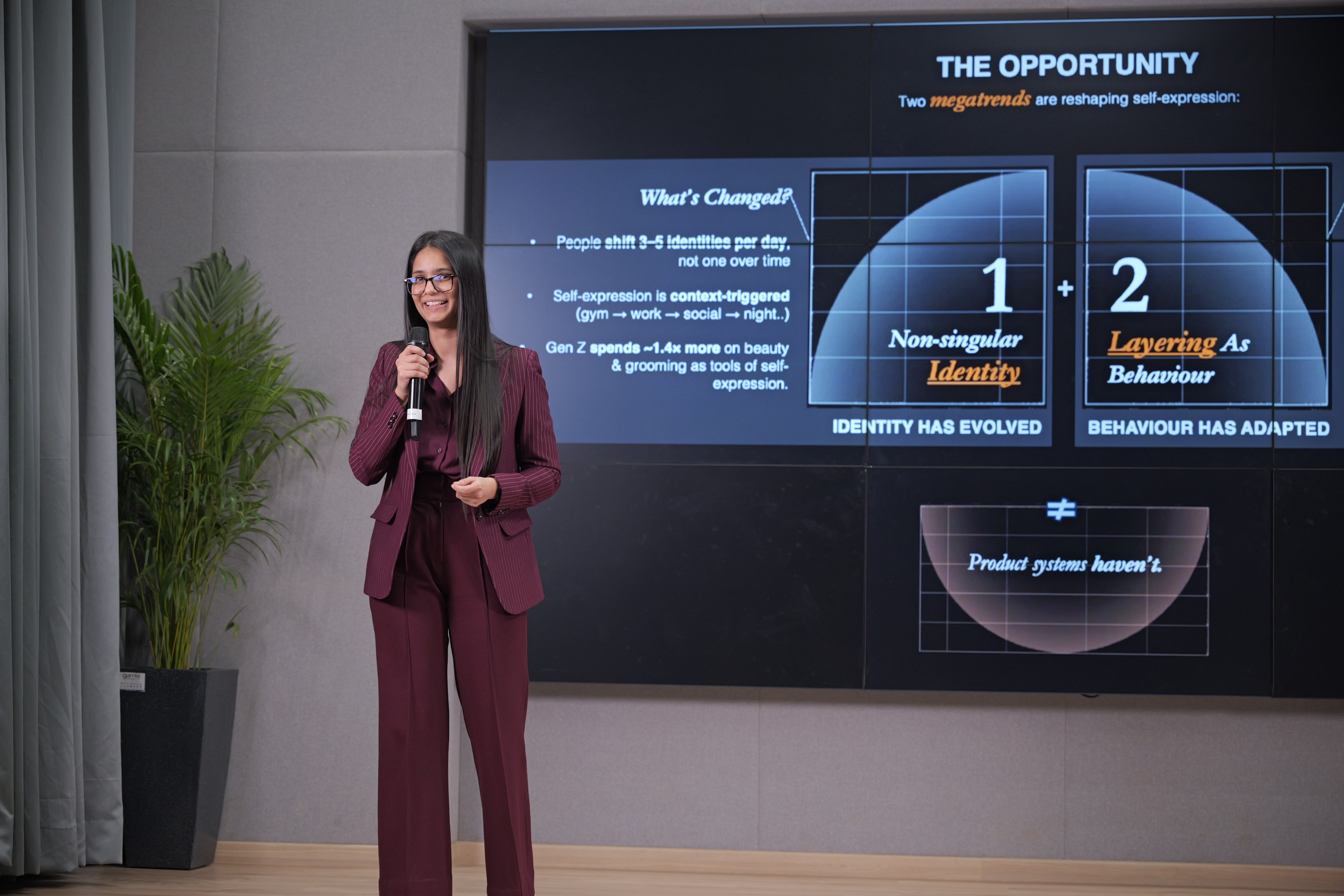
The HR landscape is evolving at an unprecedented pace. Organisations are leveraging data-driven decision-making and agile workforce design to gain a competitive advantage. Research shows that over 70 % of HR leaders rely on workforce analytics for talent acquisition and retention, with cloud-based performance tools seeing a 50 % deployment increase. Predictive analytics helps more than 65 % of HR professionals anticipate workforce needs and reduce attrition.
At the same time, skills-based organisation design has become a strategic priority. Companies adopting skills-focused structures report up to 35 % higher internal fill rates, demonstrating that accessible skills data and agile organisational frameworks improve workforce outcomes.
For graduates looking at a human resource management course, this shift signals the need for expertise in analytics, organisation design, and strategic people leadership. Programmes like the PGP in Human Resources & Organisation Strategy (HR&OS) at Masters’ Union integrate these competencies, blending business fundamentals, HR technology, and people strategy to prepare students for the next generation of HR leadership. This foundation enables aspiring HR leaders not only to interpret workforce data but also to apply insights in shaping organisational structures, influencing leadership, and driving culture, skills that define the strategic HR roles of tomorrow.
Why Analytics and Organisation Design Are Core to Modern HR
Today’s HR professionals are expected to go far beyond recruitment and payroll. They advise executives, embed culture, drive change, and build systems that ensure high-performance teams deliver business outcomes. Key areas of focus for modern HR leaders include:
-
AI and People Analytics: Leveraging data to guide hiring, performance management, and workforce planning.
-
Organisation Design & Culture: Building scalable structures and high-performing organisational frameworks.
-
Strategic HR Leadership: Influencing business decisions and aligning people strategy with corporate goals.
-
Change Management: Driving transformation across hybrid and dynamic work environments.
These capabilities are increasingly sought after in roles such as HR Business Partner, People Analytics Consultant, Workforce Strategy Advisor, HR Transformation Lead, and CHRO Office Associate. Professionals equipped with these skills command influence, impact, and competitive remuneration.
Developing Future-Ready HR Skills
Modern HR leaders need a combination of technical, analytical, and strategic skills. Workforce analytics allows professionals to make informed decisions on hiring, retention, and performance management. Organisation design ensures structures and processes scale efficiently. Strategic HR also involves advising executives, embedding culture, and creating high-performance teams that deliver business outcomes.
The HR&OS programme at Masters’ Union develops these skills through a structured learning pathway:
-
Foundational Terms: Build business acumen in finance, strategy, communication, AI/ML, and operations, providing the perspective needed to lead people strategy.
-
Specialisation Terms: Focus on talent acquisition, employer branding, learning & capability development, people analytics, total rewards, and HR technology.
-
Advanced Terms: Explore strategic HR leadership, change management, organisational psychology, culture scaling, and advisory projects with real organisations.
Hands-on projects, including talent acquisition sprints, culture audits, and HR consulting labs, provide opportunities to apply theory in real-world contexts. Dedicated industry immersion allows students to interact with CHROs, founders, and HR leaders, bridging classroom learning with practical exposure.
Applying HR Theory to Real-World Challenges
Programmes like the PGP in HR&OS at Masters’ Union act as a bridge between academic learning and industry application. Across six terms, students progress from foundational business modules to advanced HR topics, including strategic talent acquisition, HR technology, people analytics, compensation strategy, organisational design, and change leadership.
By the end of the programme, students are not just equipped to manage HR processes; they are prepared to shape workforce strategy, influence leadership decisions, and build organisations designed for long-term performance.
What this progression enables:
-
Business-first thinking: Students understand finance, strategy, and operations before shaping people's decisions.
-
Data-led HR capability: Training in people analytics ensures workforce decisions are evidence-based, not instinct-driven.
-
Organisation design expertise: Learners build structures that scale with growth, not just manage headcount.
-
Leadership influence: Exposure to CHROs and founders prepares students to advise leadership, not just execute policy.
-
Application over theory: Live projects and internships ensure concepts are tested in real organisational settings.
Shaping the Future of Work: Career Pathways in HR & Organisation Strategy
Graduates with strong analytics and organisation design skills are no longer just drafting HR policies; they are shaping business strategy, influencing culture, and driving measurable impact across organisations. Modern HR careers focus on decision-making, strategic influence, and tangible organisational outcomes, including:
-
Driving Executive People Strategy: Partner with founders and leadership teams to translate business objectives into workforce design and talent strategies that scale with growth.
-
Transforming Organisations: Lead initiatives that improve organisational efficiency, optimise workflows, and implement digital HR tools across diverse industries.
-
Applying Analytics for Impact: Use workforce data and predictive insights to anticipate talent needs, reduce attrition, and guide critical HR decisions.
-
Building High-Performance Culture: Develop leadership pipelines, design learning frameworks, and embed organisational culture into every level of the business.
-
Leading Enterprise Change: Spearhead large-scale HR transformations, including process redesign, technology adoption, and culture alignment for sustained business impact.
FAQs
-
Does Masters’ Union offer an HR management course in India?
Yes. The PGP in Human Resources & Organisation Strategy equips graduates with business fundamentals, HR analytics, organisation design, and people strategy to step into strategic HR roles. -
What HR career options can graduates explore after completing the programme?
Graduates can pursue roles in CHRO offices, HR consulting, people analytics, HR technology, talent and culture development, employer branding, and HR transformation across startups and enterprises. -
How does strategic HR differ from traditional HR in this programme?
Masters’ Union focuses on strategic HR; leveraging analytics, organisation design, and leadership advisory, beyond traditional administrative HR functions. -
Is HR analytics and organisation design a good career choice in India today?
Yes. With organisations increasingly using data-driven HR and agile structures, professionals skilled in analytics and organisation design are in high demand. - What future HR roles in India are graduates prepared for?
Graduates are ready for high-impact positions such as People Analytics Consultant, Workforce Strategy Advisor, HR Transformation Lead, and strategic HR leadership roles.