


About us

-
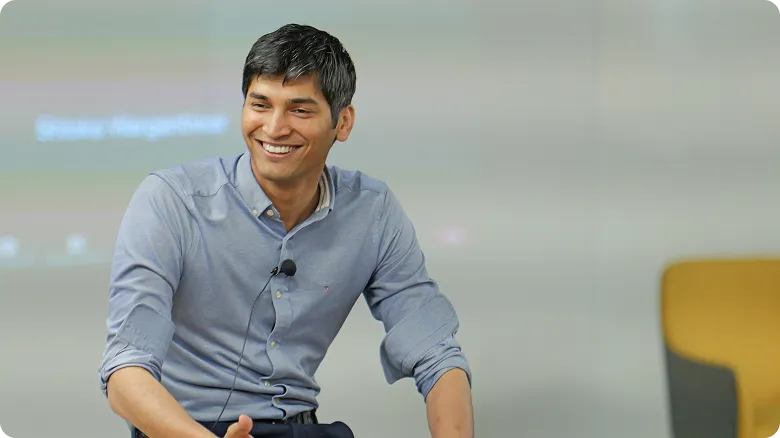
See what students, mentors, alumni and recruiters say about Masters' Union University. Shared highlights and moments that reflect our culture, learning and community. Explore their voices.
OVERVIEW
-
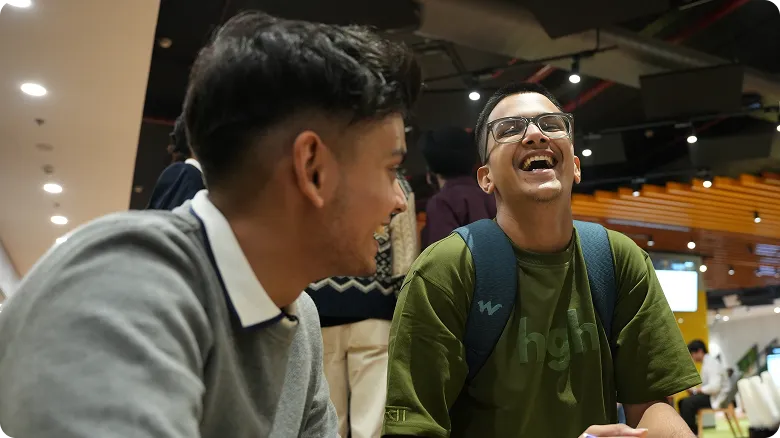
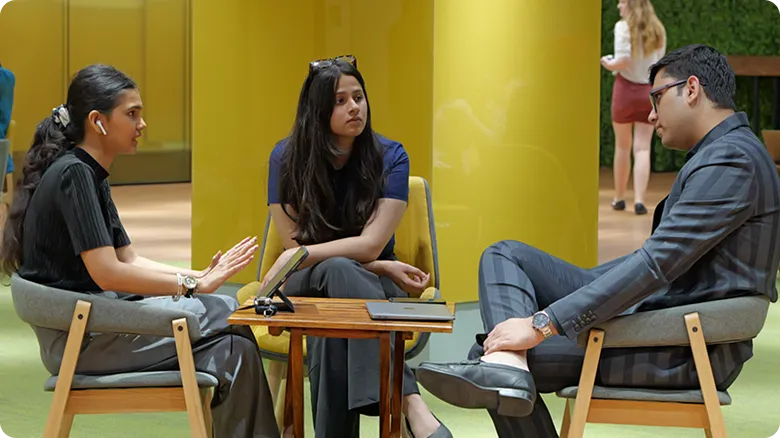
See how Masters’ Union University is represented across leading news and media platforms. Explore articles, features, and press coverage that reflect our journey, initiatives, and growing impact in education, innovation, and industry engagement.
OVERVIEW
-
Explore the awards, rankings and accreditations that recognise the quality, impact and industry relevance of Masters' Union University programmes.
OVERVIEW
-
Explore the reports, brochures, policies, and publications that document Masters' Union University's outcomes, standards, and institutional commitments.
OVERVIEW


PROGRAMMEs
- Highlights
- Curriculum
- Admissions & Fees
- Immersions
- Entrepreneurship
- Careers
- Class Profile
PROGRAMME oVERVIEW
- Highlights
- Curriculum
- Admissions & Fees
- Immersions
- Entrepreneurship
- Career Prospects
- Class Profile
PROGRAMME oVERVIEW
- Highlights
- Curriculum & Faculty
- Immersions
- Admissions & Fees
- Career Prospects
- Class Profile
PROGRAMME oVERVIEW
- Highlights
- Curriculum
PROGRAMME oVERVIEW
- Home
PROGRAMME oVERVIEW
- Highlights
- Curriculum & Faculty
- Admissions & Fees
- Career Prospects
- Class Profile
PROGRAMME oVERVIEW
- Highlights
- Curriculum & Faculty
- Admissions & Fees
- Career Prospects
- Class Profile
PROGRAMME oVERVIEW
- Highlights
- Curriculum
- Admissions & Fees
- Career Prospects
- Class Profile
PROGRAMME oVERVIEW
PROGRAMMEs
- Highlights
- Curriculum & Faculty
- Admissions & Fees
- Career Prospects
- Class Profile
PROGRAMME oVERVIEW
- Highlights
- Curriculum & Faculty
- Admissions & Fees
- Career Prospects
- Class Profile
PROGRAMME oVERVIEW
- Highlights
- Curriculum
- Admissions & Fees
- Career Prospects
- Class Profile
PROGRAMME oVERVIEW
- Highlights
- Curriculum & Faculty
- Admissions & Fees
- Career Prospects
- Class Profile
PROGRAMME oVERVIEW
- Highlights
- Curriculum & Faculty
- Admissions & Fees
- Career Prospects
- Class Profile
PROGRAMME oVERVIEW
- Highlights
- Curriculum
- Admissions & Fees
- Career Prospects
- Class Profile
PROGRAMME oVERVIEW
- Highlights
- Curriculum
- Admissions & Fees
- Career Prospects
- Class Profile
PROGRAMME oVERVIEW
PROGRAMMES
-
PGP in
Technology & Business Management

-
PGP in
Technology & Business Management
(Young Leaders Cohort)
-
MBA in Finance with CFA Pathway
-
Post Graduate Diploma (Human Resources and Organisation Strategy)
-
Post Graduate Diploma (Sports Management and Gaming)
-
PGP in
Applied AI & Agentic Systems
-
PGP in Sustainability &
Business Management
-
Four Nations Global
Business Programme
- Highlights
- Curriculum
- Immersions
- Admissions & Fees
- Career Prospects
- Cohort Profile
PROGRAMME oVERVIEW
- Home
PROGRAMME OVERVIEW
- Highlights
- Curriculum
- Immersions
- Admissions & Fees
- Career Prospects
- Faculty & Student Stories
PROGRAMME oVERVIEW
- Highlights
- Curriculum
- Immersions
- Admissions & Fees
- Career Prospects
PROGRAMME oVERVIEW
- Highlights
- Curriculum & Faculty
- Admissions & Fees
- Career Prospects
PROGRAMME oVERVIEW
- Highlights
- Curriculum & Faculty
- Admissions & Fees
- Career Prospects
PROGRAMME OVERVIEW
- Highlights
- Curriculum & Faculty
- Admissions & Fees
PROGRAMME OVERVIEW
- Highlights
PROGRAMME OVERVIEW
- Highlights
- Curriculum
- Immersions
- Admissions & Fees
- Career Prospects
- Cohort Profile
PROGRAMME oVERVIEW
PROGRAMMES
-
Post Graduate Diploma (Rise General Management)
-
Post Graduate Diploma (Capital Markets & Trading)
-
PGP in US Capital Markets &
Trading
-
PGP
in Entrepreneurship & Business Acceleration
-
Post Graduate Diploma (Rise General Management Global)
-
AI First Operator Programme
-
Bloomberg Equity Research Programme
- Highlights
- Curriculum
- Faculty
- Admissions & Fees
- Career Prospects
- Cohort Profile
PROGRAMME oVERVIEW
- Home
PROGRAMME oVERVIEW
- Highlights
- Curriculum
- Admissions & Fees
PROGRAMME oVERVIEW
- Highlights
- Curriculum
- Admissions & Fees
PROGRAMME oVERVIEW
- Highlights
- Curriculum
- Immersions
- Faculty & Coaches
- Admissions & Fees
- Career Prospects
PROGRAMME oVERVIEW
- Highlights
- Curriculum
PROGRAMME oVERVIEW
- Home
PROGRAMME oVERVIEW
- Highlights
- Global Immersions
- Curriculum
- Faculty & Coaches
- Leadership Learning
- Admissions & Fees
PROGRAMME oVERVIEW
- Highlights
- Curriculum
- Admissions & Fees
PROGRAMME oVERVIEW
PROGRAMMES
- Highlights
- Curriculum
- Beyond Classroom
- Admissions & Fees
PROGRAMME oVERVIEW
- Highlights
- Curriculum
- Beyond Classroom
- Admissions & Fees
PROGRAMME oVERVIEW
- Home
PROGRAMME oVERVIEW
- Home
PROGRAMME oVERVIEW
PROGRAMMES
- Home
PROGRAMME oVERVIEW
- Highlights
- Curriculum
- Beyond Classroom
- Admissions & Fees
PROGRAMME oVERVIEW
- Home
PROGRAMME oVERVIEW
- Home
PROGRAMME oVERVIEW
STUDENT LIFE
- Student Premises
- Amenities
- Hostel Council
oVERVIEW


- Case Union
- UnMute
- Clubs & Committees
oVERVIEW
oVERVIEW
- Healthcare
- BFSI
- Technology
- Manufacturing
- Retail
Industry
- Governments
- Universities
- Startups
- SMEs
- Large Enterprises
Industry
oVERVIEW
PROGRAMMEs
- Highlights
- Curriculum & Faculty
- Admissions & Fees
- Career Prospects
- Class Profile
PROGRAMME oVERVIEW
- Highlights
- Curriculum & Faculty
- Admissions & Fees
- Career Prospects
- Class Profile
PROGRAMME oVERVIEW
- Highlights
- Curriculum
- Admissions & Fees
- Career Prospects
- Class Profile
PROGRAMME oVERVIEW
- Highlights
- Curriculum & Faculty
- Admissions & Fees
- Career Prospects
- Class Profile
PROGRAMME oVERVIEW
- Highlights
- Curriculum & Faculty
- Admissions & Fees
- Career Prospects
- Class Profile
PROGRAMME oVERVIEW
- Highlights
- Curriculum
- Admissions & Fees
- Career Prospects
- Class Profile
PROGRAMME oVERVIEW
- Highlights
- Curriculum
- Admissions & Fees
- Career Prospects
- Class Profile
PROGRAMME oVERVIEW
PROGRAMMES
- Highlights
- Curriculum
- Immersions
- Admissions & Fees
- Career Prospects
- Cohort Profile
PROGRAMME oVERVIEW
- Home
PROGRAMME OVERVIEW
- Highlights
- Curriculum
- Immersions
- Admissions & Fees
- Career Prospects
- Faculty & Student Stories
PROGRAMME oVERVIEW
- Highlights
- Curriculum
- Immersions
- Admissions & Fees
- Career Prospects
PROGRAMME oVERVIEW
- Highlights
- Curriculum & Faculty
- Admissions & Fees
- Career Prospects
PROGRAMME oVERVIEW
- Highlights
- Curriculum
- Immersions
- Admissions & Fees
- Career Prospects
- Cohort Profile
PROGRAMME oVERVIEW
PROGRAMMES
- Highlights
- Curriculum
- Faculty
- Admissions & Fees
- Career Prospects
- Cohort Profile
PROGRAMME oVERVIEW
- Highlights
- Curriculum
- Admissions & Fees
PROGRAMME oVERVIEW
- Highlights
- Curriculum
- Admissions & Fees
PROGRAMME oVERVIEW
- Highlights
- Curriculum
- Immersions
- Faculty & Coaches
- Admissions & Fees
- Career Prospects
PROGRAMME oVERVIEW
- Highlights
- Global Immersions
- Curriculum
- Faculty & Coaches
- Leadership Learning
- Admissions & Fees
PROGRAMME oVERVIEW
- Highlights
- Curriculum
- Admissions & Fees
PROGRAMME oVERVIEW


About Us

Undergraduate
Postgraduate
PGP in Technology & Business Management
PGP in Technology & Business Management
(Young Leaders Cohort)
MBA in Finance with CFA Pathway
Post Graduate Diploma (Human Resources and Organisation Strategy)
Post Graduate Diploma (Sports Management and Gaming)
PGP in Applied AI & Agentic Systems
PGP in Sustainability & Business Management
Four Nations Global Business Programme
Executive
Post Graduate Diploma (Rise General Management)
Post Graduate Diploma (Capital Markets & Trading)
PGP in US Capital Markets & Trading
PGP in Entrepreneurship & Business Acceleration
Post Graduate Diploma (Rise General Management Global)
AI First Operator Programme
Bloomberg Equity Research Programme
Family Business
Immersions
1:1 Executive Coaching
Careers
Innovations
Faculty
MU Ventures
Enterprise L&D
Student Life
Jobs
Become a Master
Merch Store
events
For Companies
Blog
Coach LMS
Business
SSPL CEO Avneet Singh Marwah on Brands, Consumers, and Growth
November 3, 2025
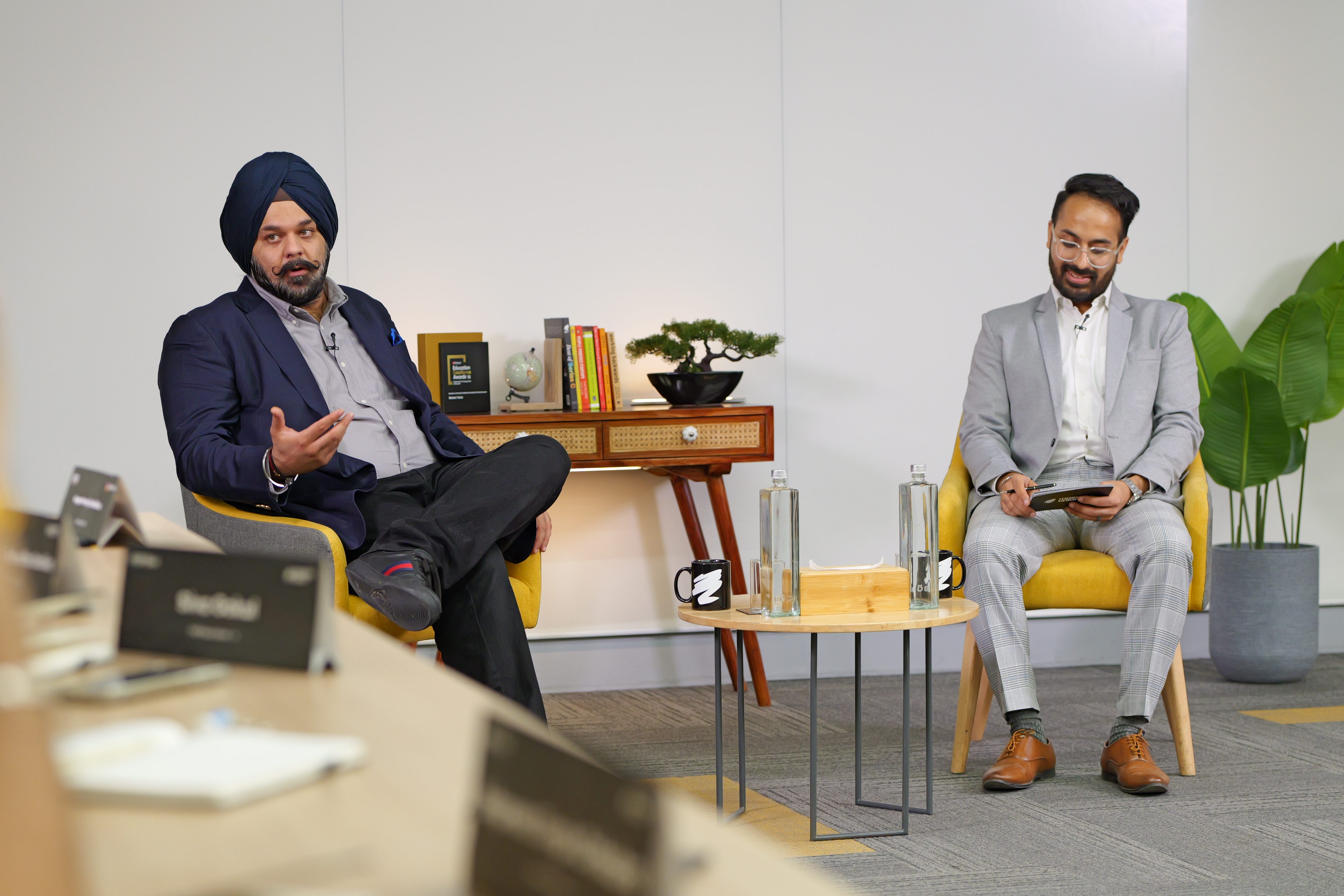
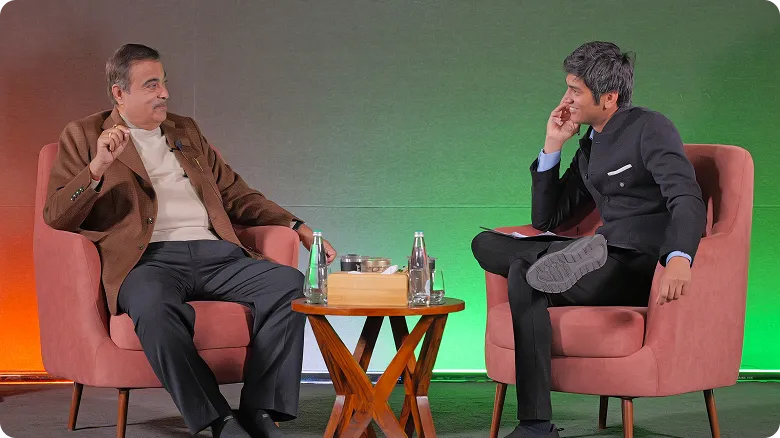
The recent CXO Session, Masters’ Union hosted Avneet Singh Marwah, CEO of Super Plastronics Pvt Ltd (SPPL), offered students a rare look into how Indian companies build scale and resilience in a globalised market. As the leader behind Kodak, Thomson, and Blaupunkt TVs in India, Marwah shared candid lessons on consumer-first innovation, reviving global brands, and navigating crises with patience and long-term vision.
For students, the session became more than an industry talk. It was a lesson in why brands succeed when they listen deeply to consumers and grow steadily instead of chasing short-lived trends.
Building Brands That Understand Indian Consumers
At the heart of Marwah’s philosophy is a clear observation: Indian consumers behave differently from their Western counterparts. For instance, TV buyers in India demand higher volume levels, multiple local language options, and affordable durability. These insights shaped SPPL’s strategy from the ground up. By focusing on the lived realities of Indian households, SPPL positioned itself as a company that builds trust through relevance. For students in the room, the takeaway was sharp: the best products emerge not from trend-chasing, but from addressing real gaps in consumer behaviour.
What shaped SPPL’s consumer-first model?
-
Designing products for Indian usage patterns, not simply replicating Western designs
-
Balancing affordability with feature-rich experiences that feel premium
-
Prioritising after-sales service, with a door-to-door network spanning 19,000 pin codes
Reviving Global Brands for Local Markets
One of Marwah’s most striking achievements is reviving global icons for the Indian market. When SPPL brought Kodak, Thomson, and Blaupunkt back into the homes of Indian consumers, the strategy was never about nostalgia alone. It was about tailoring these brands to new market realities. Each revival was a calculated play that showed how heritage brands could be repositioned with local insight.
Brand revival lessons from Marwah
-
Kodak aligned with offline retail channels, leveraging its strong recall among older consumers
-
Thomson found success by partnering exclusively with Flipkart, targeting India’s growing e-commerce segment
-
Blaupunkt carved a niche with premium features, creating distinct value for aspirational buyers
Navigating Crises with Preparedness
From sudden GST shocks to regulatory changes, Marwah described crisis management as a defining skill for Indian leaders. SPPL survived because it learned to prepare for multiple scenarios instead of reacting too late. Marwah pointed out that resilience comes not from avoiding crises, but from building organisational DNA that adapts quickly under pressure. This became one of the most practical takeaways for students looking to step into leadership roles.
Principles for crisis readiness
-
Always build Plan B and Plan C into operations
-
Nurture strong distributor networks that can sustain through shocks
-
Treat compliance as a strategic advantage, not a burden
Leading with Patience and People-First Culture
Unlike today’s trend of quick pivots and restless career changes, Marwah’s journey reflects deep patience and commitment. He spent over 16 years learning every department before moving into leadership. This built not only domain expertise but also credibility within his teams. He emphasised that leadership is not built on speed alone. It grows from consistency, credibility, and nurturing talent over the long haul. Students were reminded that careers are marathons, not sprints.
Culture insights for students
-
Domain knowledge compounds over decades, not in quarterly sprints
-
Teams that stay long-term create cultural stability in volatile industries
-
In-house capabilities bring more control than outsourcing alone
Technology, AI, and the Future of Smart Devices
While acknowledging the role of AI in reshaping industries, Marwah cautioned against overhyping technology. For SPPL, originality mattered more than blindly following global features. This perspective resonated with Masters’ Union students, many of whom are building careers in technology and business. Marwah’s advice was clear: innovation must always serve consumers, not trends.
Innovation playbook for future leaders
-
Focus on originality, not copycat features
-
Integrate smart platforms like Google TV or Jio OS with purpose, not as gimmicks
-
Keep fact-checking and accuracy central to AI-driven features and content
The CXO Session with Avneet Singh Marwah was more than a story of brand revival. It highlighted why consumer empathy, patience, and resilience are the cornerstones of sustainable companies.
For Masters’ Union students, the sharper lesson was this: the future belongs to leaders who solve real problems, build trust, and stay authentic in how they grow. Brands that endure don’t simply chase the next hype cycle. They create value that consumers recognise, respect, and rely on.