


About us


-
See what students, mentors, alumni and recruiters say about Masters' Union University. Shared highlights and moments that reflect our culture, learning and community. Explore their voices.
OVERVIEW


-
See how Masters’ Union University is represented across leading news and media platforms. Explore articles, features, and press coverage that reflect our journey, initiatives, and growing impact in education, innovation, and industry engagement.
OVERVIEW
-
Explore the awards, rankings and accreditations that recognise the quality, impact and industry relevance of Masters' Union University programmes.
OVERVIEW

-
Explore the reports, brochures, policies, and publications that document Masters' Union University's outcomes, standards, and institutional commitments.
OVERVIEW


PROGRAMMEs
- Highlights
- Curriculum
- Admissions & Fees
- Immersions
- Entrepreneurship
- Careers
- Class Profile
PROGRAMME oVERVIEW
- Highlights
- Curriculum
- Admissions & Fees
- Immersions
- Entrepreneurship
- Career Prospects
- Class Profile
PROGRAMME oVERVIEW
- Highlights
- Curriculum & Faculty
- Immersions
- Admissions & Fees
- Career Prospects
- Class Profile
PROGRAMME oVERVIEW
- Highlights
- Curriculum
PROGRAMME oVERVIEW
- Home
PROGRAMME oVERVIEW
- Highlights
- Curriculum & Faculty
- Admissions & Fees
- Career Prospects
- Class Profile
PROGRAMME oVERVIEW
- Highlights
- Curriculum & Faculty
- Admissions & Fees
- Career Prospects
- Class Profile
PROGRAMME oVERVIEW
- Highlights
- Curriculum
- Admissions & Fees
- Career Prospects
- Class Profile
PROGRAMME oVERVIEW
PROGRAMMEs
- Highlights
- Curriculum & Faculty
- Admissions & Fees
- Career Prospects
- Class Profile
PROGRAMME oVERVIEW
- Highlights
- Curriculum & Faculty
- Admissions & Fees
- Career Prospects
- Class Profile
PROGRAMME oVERVIEW
- Highlights
- Curriculum
- Admissions & Fees
- Career Prospects
- Class Profile
PROGRAMME oVERVIEW
- Highlights
- Curriculum & Faculty
- Admissions & Fees
- Career Prospects
- Class Profile
PROGRAMME oVERVIEW
- Highlights
- Curriculum & Faculty
- Admissions & Fees
- Career Prospects
- Class Profile
PROGRAMME oVERVIEW
- Highlights
- Curriculum
- Admissions & Fees
- Career Prospects
- Class Profile
PROGRAMME oVERVIEW
- Highlights
- Curriculum
- Admissions & Fees
- Career Prospects
- Class Profile
PROGRAMME oVERVIEW
PROGRAMMES
-
PGP in
Technology & Business Management

-
PGP in
Technology & Business Management
(Young Leaders Cohort)
-
MBA in Finance with CFA Pathway
-
Post Graduate Diploma (Human Resources and Organisation Strategy)
-
Post Graduate Diploma (Sports Management and Gaming)
-
PGP in
Applied AI & Agentic Systems
-
PGP in Sustainability &
Business Management
-
Four Nations Global
Business Programme
- Highlights
- Curriculum
- Immersions
- Admissions & Fees
- Career Prospects
- Cohort Profile
PROGRAMME oVERVIEW
- Home
PROGRAMME OVERVIEW
- Highlights
- Curriculum
- Immersions
- Admissions & Fees
- Career Prospects
- Faculty & Student Stories
PROGRAMME oVERVIEW
- Highlights
- Curriculum
- Immersions
- Admissions & Fees
- Career Prospects
PROGRAMME oVERVIEW
- Highlights
- Curriculum & Faculty
- Admissions & Fees
- Career Prospects
PROGRAMME oVERVIEW
- Highlights
- Curriculum & Faculty
- Admissions & Fees
- Career Prospects
PROGRAMME OVERVIEW
- Highlights
- Curriculum & Faculty
- Admissions & Fees
PROGRAMME OVERVIEW
- Highlights
PROGRAMME OVERVIEW
- Highlights
- Curriculum
- Immersions
- Admissions & Fees
- Career Prospects
- Cohort Profile
PROGRAMME oVERVIEW
PROGRAMMES
-
Post Graduate Diploma (Rise General Management)
-
Post Graduate Diploma (Capital Markets & Trading)
-
PGP in US Capital Markets &
Trading
-
PGP
in Entrepreneurship & Business Acceleration
-
Post Graduate Diploma (Rise General Management Global)
-
AI First Operator Programme
-
Bloomberg Equity Research Programme
- Highlights
- Curriculum
- Faculty
- Admissions & Fees
- Career Prospects
- Cohort Profile
PROGRAMME oVERVIEW
- Home
PROGRAMME oVERVIEW
- Highlights
- Curriculum
- Admissions & Fees
PROGRAMME oVERVIEW
- Highlights
- Curriculum
- Admissions & Fees
PROGRAMME oVERVIEW
- Highlights
- Curriculum
- Immersions
- Faculty & Coaches
- Admissions & Fees
- Career Prospects
PROGRAMME oVERVIEW
- Highlights
- Curriculum
PROGRAMME oVERVIEW
- Home
PROGRAMME oVERVIEW
- Highlights
- Global Immersions
- Curriculum
- Faculty & Coaches
- Leadership Learning
- Admissions & Fees
PROGRAMME oVERVIEW
- Highlights
- Curriculum
- Admissions & Fees
PROGRAMME oVERVIEW
PROGRAMMES
- Highlights
- Curriculum
- Beyond Classroom
- Admissions & Fees
PROGRAMME oVERVIEW
- Highlights
- Curriculum
- Beyond Classroom
- Admissions & Fees
PROGRAMME oVERVIEW
- Home
PROGRAMME oVERVIEW
- Home
PROGRAMME oVERVIEW
PROGRAMMES
- Home
PROGRAMME oVERVIEW
- Highlights
- Curriculum
- Beyond Classroom
- Admissions & Fees
PROGRAMME oVERVIEW
- Home
PROGRAMME oVERVIEW
- Home
PROGRAMME oVERVIEW
STUDENT LIFE
- Student Premises
- Amenities
- Hostel Council
oVERVIEW


- Case Union
- UnMute
- Clubs & Committees
oVERVIEW


oVERVIEW

- Healthcare
- BFSI
- Technology
- Manufacturing
- Retail
Industry
- Governments
- Universities
- Startups
- SMEs
- Large Enterprises
Industry
oVERVIEW
PROGRAMMEs
- Highlights
- Curriculum & Faculty
- Admissions & Fees
- Career Prospects
- Class Profile
PROGRAMME oVERVIEW
- Highlights
- Curriculum & Faculty
- Admissions & Fees
- Career Prospects
- Class Profile
PROGRAMME oVERVIEW
- Highlights
- Curriculum
- Admissions & Fees
- Career Prospects
- Class Profile
PROGRAMME oVERVIEW
- Highlights
- Curriculum & Faculty
- Admissions & Fees
- Career Prospects
- Class Profile
PROGRAMME oVERVIEW
- Highlights
- Curriculum & Faculty
- Admissions & Fees
- Career Prospects
- Class Profile
PROGRAMME oVERVIEW
- Highlights
- Curriculum
- Admissions & Fees
- Career Prospects
- Class Profile
PROGRAMME oVERVIEW
- Highlights
- Curriculum
- Admissions & Fees
- Career Prospects
- Class Profile
PROGRAMME oVERVIEW
PROGRAMMES
- Highlights
- Curriculum
- Immersions
- Admissions & Fees
- Career Prospects
- Cohort Profile
PROGRAMME oVERVIEW
- Home
PROGRAMME OVERVIEW
- Highlights
- Curriculum
- Immersions
- Admissions & Fees
- Career Prospects
- Faculty & Student Stories
PROGRAMME oVERVIEW
- Highlights
- Curriculum
- Immersions
- Admissions & Fees
- Career Prospects
PROGRAMME oVERVIEW
- Highlights
- Curriculum & Faculty
- Admissions & Fees
- Career Prospects
PROGRAMME oVERVIEW
- Highlights
- Curriculum
- Immersions
- Admissions & Fees
- Career Prospects
- Cohort Profile
PROGRAMME oVERVIEW
PROGRAMMES
- Highlights
- Curriculum
- Faculty
- Admissions & Fees
- Career Prospects
- Cohort Profile
PROGRAMME oVERVIEW
- Highlights
- Curriculum
- Admissions & Fees
PROGRAMME oVERVIEW
- Highlights
- Curriculum
- Admissions & Fees
PROGRAMME oVERVIEW
- Highlights
- Curriculum
- Immersions
- Faculty & Coaches
- Admissions & Fees
- Career Prospects
PROGRAMME oVERVIEW
- Highlights
- Global Immersions
- Curriculum
- Faculty & Coaches
- Leadership Learning
- Admissions & Fees
PROGRAMME oVERVIEW
- Highlights
- Curriculum
- Admissions & Fees
PROGRAMME oVERVIEW


About Us

Undergraduate
Postgraduate
PGP in Technology & Business Management
PGP in Technology & Business Management
(Young Leaders Cohort)
MBA in Finance with CFA Pathway
Post Graduate Diploma (Human Resources and Organisation Strategy)
Post Graduate Diploma (Sports Management and Gaming)
PGP in Applied AI & Agentic Systems
PGP in Sustainability & Business Management
Four Nations Global Business Programme
Executive
Post Graduate Diploma (Rise General Management)
Post Graduate Diploma (Capital Markets & Trading)
PGP in US Capital Markets & Trading
PGP in Entrepreneurship & Business Acceleration
Post Graduate Diploma (Rise General Management Global)
AI First Operator Programme
Bloomberg Equity Research Programme
Family Business
Immersions
1:1 Executive Coaching
Careers
Innovations
Faculty
MU Ventures
Enterprise L&D
Student Life
Jobs
Become a Master
Merch Store
events
For Companies
Blog
Coach LMS
Business
CashKaro’s Brand Head on Digital Marketing, Experimentation, and Consumer-Centric Growth
November 10, 2025

When a digital commerce platform becomes a trusted destination for millions, it reflects more than campaigns. It reflects a deep understanding of consumer behaviour, experimentation, and strategic execution. For Ishan Agarwal, Brand Head at CashKaro, scaling a digital-first brand is about connecting insights with action, creativity with discipline, and growth with trust.
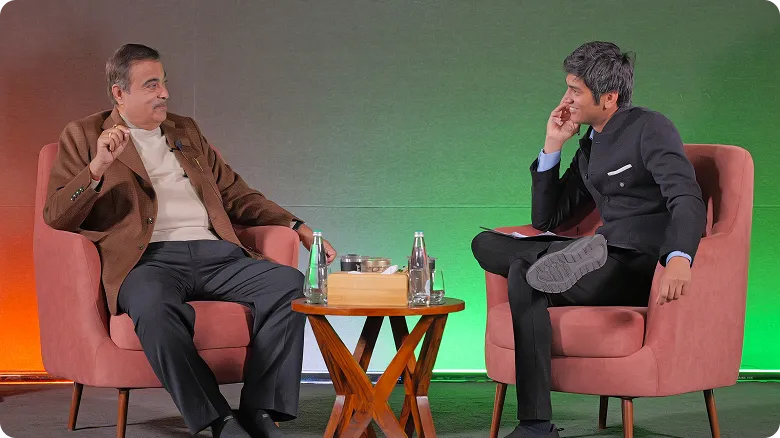
At a recent Fireside Chat hosted by Masters’ Union at the DLF Cyberpark Campus, Agarwal engaged students in a candid conversation on what it really takes to build and sustain a leading digital commerce brand in India. The session covered everything from data-driven marketing campaigns to fostering creativity, building consumer trust, and lessons MBA students should internalise for real-world business.
CashKaro Growth Strategy: Brand Head Ishan Agarwal on Scaling with Insight
During the Fireside Chat, Agarwal credited CashKaro’s growth to clarity of purpose and relentless experimentation.
The platform was built to solve a simple yet powerful problem: help consumers save money while shopping online, seamlessly. For Agarwal, who has navigated multiple marketing roles before leading CashKaro’s brand strategy, this simplicity and focus are what make the brand work. “Marketing does not mean crafting campaigns, but understanding customer behaviour and creating solutions that resonate with them,” he said.
CashKaro Runs Like a Startup, Not a Corporation
Even as CashKaro scales, its culture remains agile and experiment-driven. Agarwal drew a sharp contrast between CashKaro’s working style and the slower pace of legacy corporations.
In large organisations, innovation often slows under layers of approvals and processes. CashKaro prioritises speed, flexibility, and direct consumer feedback, even if it means iterating on campaigns or ideas multiple times.
This agility, Agarwal emphasised, is critical for staying relevant in the digital space. Companies that fail to evolve, whether in tech or FMCG, offer clear lessons about what happens when responsiveness is lost.
Why CashKaro Still Works Like a Startup
-
Big scale doesn’t mean slow decisions
-
Consumer feedback drives real-time action
-
Agility is a long-term competitive edge, not a phase
Data-Driven, Customer-Focused, and Experiment-Led
Agarwal shared that every campaign at CashKaro is treated as an experiment. Metrics guide decisions, not opinions. Campaigns are tested, analysed, and optimised continuously, fostering a culture where failure is seen as learning, not a setback.
He also highlighted CashKaro’s focus on customer trust and authenticity, explaining that every message, promotion, or feature is designed to provide genuine value. He emphasised that once trust is lost, it is difficult to regain, which is why the platform prioritises consistency over hype.
Inside CashKaro’s High-Performance, Experiment-Led Model
-
Campaigns are tested and optimised in real time
-
Customer insights guide every decision
-
Trust and authenticity underpin the brand promise
How CashKaro Balances Speed, Scale, and Consumer Focus
As CashKaro expands its user base across India, the internal culture remains fast, hands-on, and responsive. Agarwal emphasised the importance of real-time feedback loops, where consumer behaviour informs campaigns and product adjustments immediately.
Decisions at the company move quickly, with teams acting on live data, adjusting strategies, and prioritising responsiveness over hierarchy. This agility allows the brand to stay relevant without relying solely on scale.
Insights on Speed, Scale, and Staying Relevant
-
Big scale doesn’t mean slow decisions
-
Consumer behaviour should drive campaigns
-
Agility is a sustained competitive advantage
CashKaro’s Expansion Philosophy: From Niche to National
Agarwal shared lessons on expanding the platform’s reach, noting that while the digital space enables rapid growth, over-reliance on specific channels or trends can be risky. He highlighted that consumer behaviour is influenced more by context than by geography or income. CashKaro experiments with campaigns for new user segments, optimising for adoption, engagement, and retention rather than focusing solely on acquisition. Growth, he emphasised, is data-informed, culturally sensitive, and customer-centric.
How CashKaro Reaches New Audiences Across India
-
Context matters more than demographics in consumer behaviour
-
Experiments identify which messages truly resonate
-
Growth comes from insights, not assumptions
How Industry Leaders Like Ishan Agarwal Shape Student Learning
Leaders like Agarwal offer more than textbook marketing insights; they share lessons built through decades of hands-on leadership. From leading campaigns at scale to scaling a digital-first platform like CashKaro, Agarwal’s experiences illuminate the nuances of modern brand management.
At Masters’ Union, Fireside Chats like this are designed to bridge classroom theory with real-world decision-making. Students learn how data, culture, experimentation, and leadership intersect in fast-moving industries, knowledge no case study alone can provide.
Insights from Masters’ Union Fireside Chat with CashKaro Brand Head
-
Speed and responsiveness often outperform hierarchy
-
Trust is built through consistency, not messaging
-
Customer insights, not assumptions, drive growth strategies
Final Thoughts
In an era of short-term wins and digital noise, CashKaro stands out for something rarer: insight-led, values-driven growth. As Agarwal shared with students, the most important question is not how many campaigns you run or channels you activate, but how effectively you understand, serve, and earn the trust of your consumer.
Perhaps the future of digital marketing will not be defined by reach alone, but by something simpler: experimentation, responsiveness, and genuine connection with the customer.