


About us

-
See what students, mentors, alumni and recruiters say about Masters' Union University. Shared highlights and moments that reflect our culture, learning and community. Explore their voices.
OVERVIEW


-
See how Masters’ Union University is represented across leading news and media platforms. Explore articles, features, and press coverage that reflect our journey, initiatives, and growing impact in education, innovation, and industry engagement.
OVERVIEW
-
Explore the awards, rankings and accreditations that recognise the quality, impact and industry relevance of Masters' Union University programmes.
OVERVIEW
-
Explore the reports, brochures, policies, and publications that document Masters' Union University's outcomes, standards, and institutional commitments.
OVERVIEW


PROGRAMMEs
- Highlights
- Curriculum
- Admissions & Fees
- Immersions
- Entrepreneurship
- Careers
- Class Profile
PROGRAMME oVERVIEW
- Highlights
- Curriculum
- Admissions & Fees
- Immersions
- Entrepreneurship
- Career Prospects
- Class Profile
PROGRAMME oVERVIEW
- Highlights
- Curriculum & Faculty
- Immersions
- Admissions & Fees
- Career Prospects
- Class Profile
PROGRAMME oVERVIEW
- Highlights
- Curriculum
PROGRAMME oVERVIEW
- Home
PROGRAMME oVERVIEW
- Highlights
- Curriculum & Faculty
- Admissions & Fees
- Career Prospects
- Class Profile
PROGRAMME oVERVIEW
- Highlights
- Curriculum & Faculty
- Admissions & Fees
- Career Prospects
- Class Profile
PROGRAMME oVERVIEW
- Highlights
- Curriculum
- Admissions & Fees
- Career Prospects
- Class Profile
PROGRAMME oVERVIEW
PROGRAMMEs
- Highlights
- Curriculum & Faculty
- Admissions & Fees
- Career Prospects
- Class Profile
PROGRAMME oVERVIEW
- Highlights
- Curriculum & Faculty
- Admissions & Fees
- Career Prospects
- Class Profile
PROGRAMME oVERVIEW
- Highlights
- Curriculum
- Admissions & Fees
- Career Prospects
- Class Profile
PROGRAMME oVERVIEW
- Highlights
- Curriculum & Faculty
- Admissions & Fees
- Career Prospects
- Class Profile
PROGRAMME oVERVIEW
- Highlights
- Curriculum & Faculty
- Admissions & Fees
- Career Prospects
- Class Profile
PROGRAMME oVERVIEW
- Highlights
- Curriculum
- Admissions & Fees
- Career Prospects
- Class Profile
PROGRAMME oVERVIEW
- Highlights
- Curriculum
- Admissions & Fees
- Career Prospects
- Class Profile
PROGRAMME oVERVIEW
PROGRAMMES
-
PGP in
Technology & Business Management

-
PGP in
Technology & Business Management
(Young Leaders Cohort)
-
MBA in Finance with CFA Pathway
-
Post Graduate Diploma (Human Resources and Organisation Strategy)
-
Post Graduate Diploma (Sports Management and Gaming)
-
PGP in
Applied AI & Agentic Systems
-
PGP in Sustainability &
Business Management
-
Four Nations Global
Business Programme
- Highlights
- Curriculum
- Immersions
- Admissions & Fees
- Career Prospects
- Cohort Profile
PROGRAMME oVERVIEW
- Home
PROGRAMME OVERVIEW
- Highlights
- Curriculum
- Immersions
- Admissions & Fees
- Career Prospects
- Faculty & Student Stories
PROGRAMME oVERVIEW
- Highlights
- Curriculum
- Immersions
- Admissions & Fees
- Career Prospects
PROGRAMME oVERVIEW
- Highlights
- Curriculum & Faculty
- Admissions & Fees
- Career Prospects
PROGRAMME oVERVIEW
- Highlights
- Curriculum & Faculty
- Admissions & Fees
- Career Prospects
PROGRAMME OVERVIEW
- Highlights
- Curriculum & Faculty
- Admissions & Fees
PROGRAMME OVERVIEW
- Highlights
PROGRAMME OVERVIEW
- Highlights
- Curriculum
- Immersions
- Admissions & Fees
- Career Prospects
- Cohort Profile
PROGRAMME oVERVIEW
PROGRAMMES
-
Post Graduate Diploma (Rise General Management)
-
Post Graduate Diploma (Capital Markets & Trading)
-
PGP in US Capital Markets &
Trading
-
PGP
in Entrepreneurship & Business Acceleration
-
Post Graduate Diploma (Rise General Management Global)
-
AI First Operator Programme
-
Bloomberg Equity Research Programme
- Highlights
- Curriculum
- Faculty
- Admissions & Fees
- Career Prospects
- Cohort Profile
PROGRAMME oVERVIEW
- Home
PROGRAMME oVERVIEW
- Highlights
- Curriculum
- Admissions & Fees
PROGRAMME oVERVIEW
- Highlights
- Curriculum
- Admissions & Fees
PROGRAMME oVERVIEW
- Highlights
- Curriculum
- Immersions
- Faculty & Coaches
- Admissions & Fees
- Career Prospects
PROGRAMME oVERVIEW
- Highlights
- Curriculum
PROGRAMME oVERVIEW
- Home
PROGRAMME oVERVIEW
- Highlights
- Global Immersions
- Curriculum
- Faculty & Coaches
- Leadership Learning
- Admissions & Fees
PROGRAMME oVERVIEW
- Highlights
- Curriculum
- Admissions & Fees
PROGRAMME oVERVIEW
PROGRAMMES
- Highlights
- Curriculum
- Beyond Classroom
- Admissions & Fees
PROGRAMME oVERVIEW
- Highlights
- Curriculum
- Beyond Classroom
- Admissions & Fees
PROGRAMME oVERVIEW
- Home
PROGRAMME oVERVIEW
- Home
PROGRAMME oVERVIEW
PROGRAMMES
- Home
PROGRAMME oVERVIEW
- Highlights
- Curriculum
- Beyond Classroom
- Admissions & Fees
PROGRAMME oVERVIEW
- Home
PROGRAMME oVERVIEW
- Home
PROGRAMME oVERVIEW
STUDENT LIFE
- Student Premises
- Amenities
- Hostel Council
oVERVIEW


- Case Union
- UnMute
- Clubs & Committees
oVERVIEW

oVERVIEW
- Healthcare
- BFSI
- Technology
- Manufacturing
- Retail
Industry
- Governments
- Universities
- Startups
- SMEs
- Large Enterprises
Industry
oVERVIEW
PROGRAMMEs
- Highlights
- Curriculum & Faculty
- Admissions & Fees
- Career Prospects
- Class Profile
PROGRAMME oVERVIEW
- Highlights
- Curriculum & Faculty
- Admissions & Fees
- Career Prospects
- Class Profile
PROGRAMME oVERVIEW
- Highlights
- Curriculum
- Admissions & Fees
- Career Prospects
- Class Profile
PROGRAMME oVERVIEW
- Highlights
- Curriculum & Faculty
- Admissions & Fees
- Career Prospects
- Class Profile
PROGRAMME oVERVIEW
- Highlights
- Curriculum & Faculty
- Admissions & Fees
- Career Prospects
- Class Profile
PROGRAMME oVERVIEW
- Highlights
- Curriculum
- Admissions & Fees
- Career Prospects
- Class Profile
PROGRAMME oVERVIEW
- Highlights
- Curriculum
- Admissions & Fees
- Career Prospects
- Class Profile
PROGRAMME oVERVIEW
PROGRAMMES
- Highlights
- Curriculum
- Immersions
- Admissions & Fees
- Career Prospects
- Cohort Profile
PROGRAMME oVERVIEW
- Home
PROGRAMME OVERVIEW
- Highlights
- Curriculum
- Immersions
- Admissions & Fees
- Career Prospects
- Faculty & Student Stories
PROGRAMME oVERVIEW
- Highlights
- Curriculum
- Immersions
- Admissions & Fees
- Career Prospects
PROGRAMME oVERVIEW
- Highlights
- Curriculum & Faculty
- Admissions & Fees
- Career Prospects
PROGRAMME oVERVIEW
- Highlights
- Curriculum
- Immersions
- Admissions & Fees
- Career Prospects
- Cohort Profile
PROGRAMME oVERVIEW
PROGRAMMES
- Highlights
- Curriculum
- Faculty
- Admissions & Fees
- Career Prospects
- Cohort Profile
PROGRAMME oVERVIEW
- Highlights
- Curriculum
- Admissions & Fees
PROGRAMME oVERVIEW
- Highlights
- Curriculum
- Admissions & Fees
PROGRAMME oVERVIEW
- Highlights
- Curriculum
- Immersions
- Faculty & Coaches
- Admissions & Fees
- Career Prospects
PROGRAMME oVERVIEW
- Highlights
- Global Immersions
- Curriculum
- Faculty & Coaches
- Leadership Learning
- Admissions & Fees
PROGRAMME oVERVIEW
- Highlights
- Curriculum
- Admissions & Fees
PROGRAMME oVERVIEW


About Us

Undergraduate
Postgraduate
PGP in Technology & Business Management
PGP in Technology & Business Management
(Young Leaders Cohort)
MBA in Finance with CFA Pathway
Post Graduate Diploma (Human Resources and Organisation Strategy)
Post Graduate Diploma (Sports Management and Gaming)
PGP in Applied AI & Agentic Systems
PGP in Sustainability & Business Management
Four Nations Global Business Programme
Executive
Post Graduate Diploma (Rise General Management)
Post Graduate Diploma (Capital Markets & Trading)
PGP in US Capital Markets & Trading
PGP in Entrepreneurship & Business Acceleration
Post Graduate Diploma (Rise General Management Global)
AI First Operator Programme
Bloomberg Equity Research Programme
Family Business
Immersions
1:1 Executive Coaching
Careers
Innovations
Faculty
MU Ventures
Enterprise L&D
Student Life
Jobs
Become a Master
Merch Store
events
For Companies
Blog
Coach LMS
Education
Career Counselor Jitin Chawla on How Career Decisions are Actually Made in India
February 13, 2026

Most career decisions in India are not made through structured guidance. They are shaped by family opinions, peer pressure, exam scores, and whatever option feels safest at that moment.
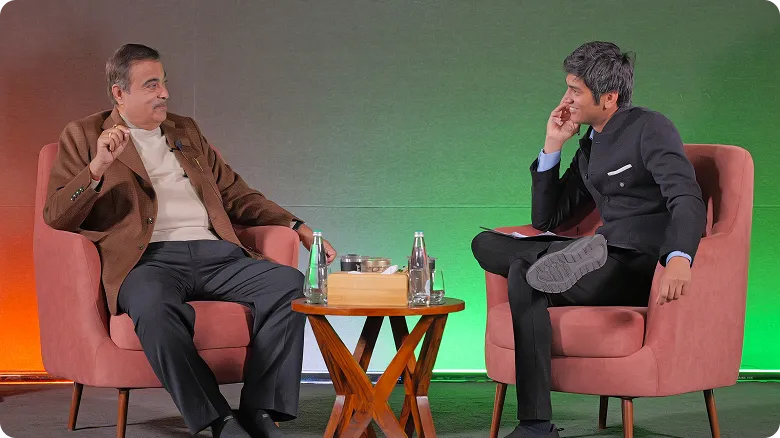
In a fireside conversation at Masters’ Union, Ankur Vohra, Head of Institutional Partnerships at Masters’ Union, sat down with Jitin Chawla, career counselor and study abroad mentor with over two decades of experience, to unpack how careers really take shape over time. The discussion focused on what students miss when they rush decisions, why early choices feel irreversible, and how long-term clarity is built through exposure rather than guesswork.
This chat is a grounded look at how careers evolve in the real world.
What students often get wrong at the decision stage
-
Career choices are treated as one-time decisions
-
Strengths are confused with marks
-
Guidance comes too late in the process
-
Exposure is replaced with assumptions
Why Early Academic Choices Should Not Lock Your Career
Jitin traced his own journey from science to management to counseling to highlight a critical insight. Most students believe their first academic choice defines their future. In reality, it only defines their starting point.
He explained how choosing physics after school was not driven by career clarity, but by performance in one subject. That decision later helped him develop analytical depth, which eventually supported his success in competitive exams and management education.
What this means for students today
-
Early degrees build skills, not destinies
-
Career pivots are normal and often necessary
-
Competitive strengths matter more than subject labels
-
Self-awareness develops with time and exposure
Why Coaching Alone Does Not Guarantee Career Success
One of the strongest points made during the conversation was about over-dependence on coaching. According to Jitin, coaching can support preparation, but it cannot replace sincerity and depth.
He shared how he prepared for competitive exams using old material and self-discipline rather than expensive coaching programs. The difference, he argued, is not access to resources but commitment to understanding fundamentals.
Lessons students should take from this
-
Coaching is optional, discipline is not
-
Depth of understanding beats surface preparation
-
Self-driven learning compounds over time
-
Outcomes improve with consistency, not shortcuts
Why Industry Experience Shapes Career Confidence
Jitin’s early corporate roles in sales and brand management played a major role in shaping his worldview. Managing territories, leading teams at a young age, and working across cities exposed him to operational realities that textbooks cannot teach.
These experiences also highlighted the importance of communication, adaptability, and cultural understanding. Skills that later became critical in his work as a career counselor.
What industry experience builds early
-
Decision-making under uncertainty
-
Communication across diverse stakeholders
-
Leadership before formal authority
-
Realistic expectations for careers
Study Abroad Is a Strategy, Not a Shortcut
When the conversation turned to study abroad pathways, Jitin was direct. International education is not a guarantee of success. It only works when aligned with long-term goals.
He stressed the importance of understanding why a student wants to study abroad, what skills they plan to build, and how that education fits into a larger career plan. Without this clarity, international degrees risk becoming expensive detours.
How to think about studying abroad
-
Define career outcomes before choosing geography
-
Evaluate return on learning, not just return on money
-
Understand industry relevance of the degree
-
Avoid herd-driven decisions
The Role of Exposure in Career Clarity
A recurring theme throughout the session was exposure. Jitin emphasized that most students do not lack ability. They lack visibility into what careers actually look like on the ground.
From internships to live market work to leadership roles in college, each experience helped shape clearer decisions later. His internship at Berger Paints, which involved market visits and dealer conversations, directly influenced his final placement and career confidence.
At Masters’ Union, this philosophy is embedded into the learning model. Immersion programmes, industry projects, and international exposure modules ensure that students engage with global business environments early in their journey. Rather than relying only on classroom theory, students interact with founders, investors, operators, and international ecosystems to test assumptions before making long-term career commitments.
How exposure changes decision-making
-
Converts assumptions into informed choices
-
Builds confidence through real feedback
-
Helps students test interests before committing
-
Reduces fear of experimentation
Careers are not built through perfect planning. They are built through exposure, reflection, and the courage to adapt. The conversation between Ankur Vohra and Jitin Chawla reinforced a simple truth. The earlier students engage with real-world insights, the better their long-term decisions become.
FAQs
How should students approach career decisions after school?
Students should treat early decisions as starting points, not final outcomes. Exposure and self-awareness matter more than immediate certainty.
Is choosing the wrong stream after Class 12 irreversible?
No. Skills developed in any stream can be transferred across careers. Most successful professionals pivot at least once.
Does coaching guarantee success in competitive exams?
No. Coaching can help, but discipline, depth, and consistency play a bigger role in long-term outcomes.
How important is industry exposure during college?
Industry exposure builds confidence, context, and decision-making ability. It helps students understand how careers work in reality.
Should students study abroad to improve career prospects?
International exposure can be valuable, but only when it aligns with long-term career goals. At Masters’ Union, students gain global immersion through curated international modules and industry-led exposure, ensuring that global learning is purposeful rather than aspirational.