
About us


-
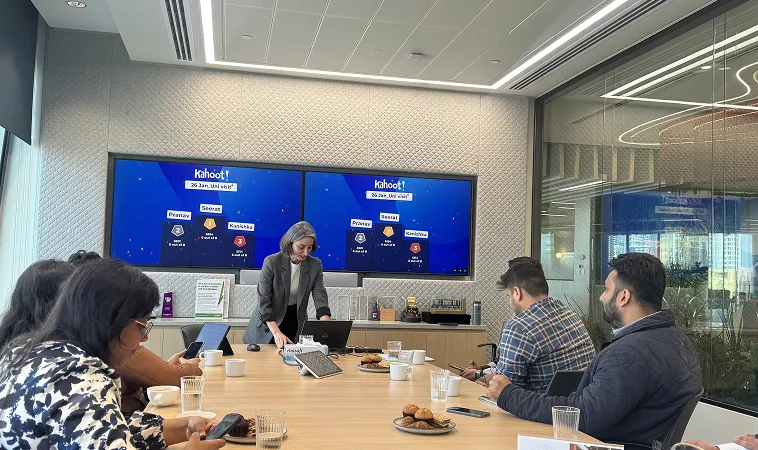
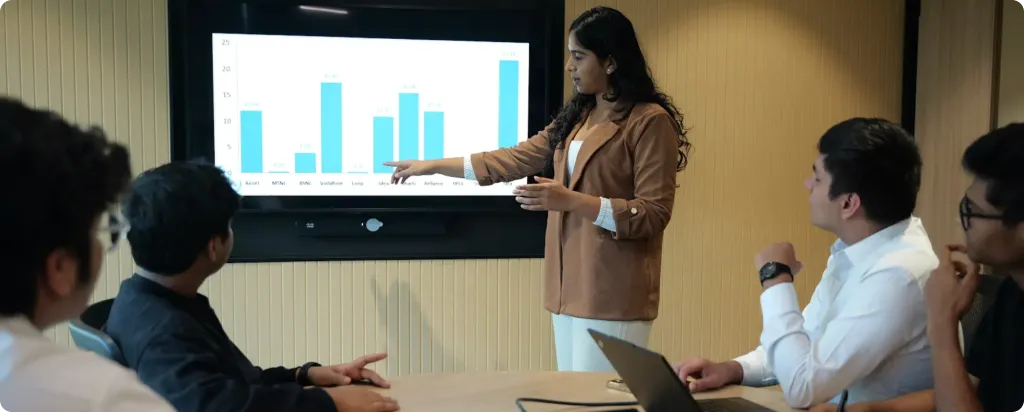
See what students, mentors, alumni and recruiters say about Masters' Union University. Shared highlights and moments that reflect our culture, learning and community. Explore their voices.
OVERVIEW


-
See how Masters’ Union University is represented across leading news and media platforms. Explore articles, features, and press coverage that reflect our journey, initiatives, and growing impact in education, innovation, and industry engagement.
OVERVIEW
-
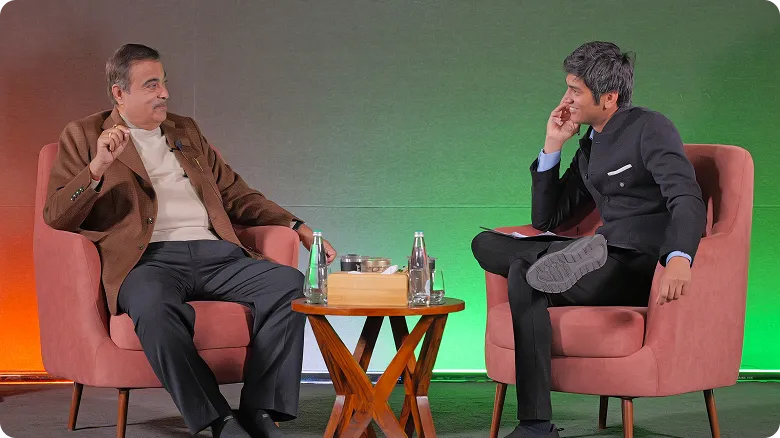
Explore the awards, rankings and accreditations that recognise the quality, impact and industry relevance of Masters' Union University programmes.
OVERVIEW

-
Explore the reports, brochures, policies, and publications that document Masters' Union University's outcomes, standards, and institutional commitments.
OVERVIEW


PROGRAMMEs
- Highlights
- Curriculum
- Admissions & Fees
- Immersions
- Entrepreneurship
- Careers
- Class Profile
PROGRAMME oVERVIEW
- Highlights
- Curriculum
- Admissions & Fees
- Immersions
- Entrepreneurship
- Career Prospects
- Class Profile
PROGRAMME oVERVIEW
- Highlights
- Curriculum & Faculty
- Immersions
- Admissions & Fees
- Career Prospects
- Class Profile
PROGRAMME oVERVIEW
- Highlights
- Curriculum
PROGRAMME oVERVIEW
- Home
PROGRAMME oVERVIEW
- Highlights
- Curriculum & Faculty
- Admissions & Fees
- Career Prospects
- Class Profile
PROGRAMME oVERVIEW
- Highlights
- Curriculum & Faculty
- Admissions & Fees
- Career Prospects
- Class Profile
PROGRAMME oVERVIEW
- Highlights
- Curriculum
- Admissions & Fees
- Career Prospects
- Class Profile
PROGRAMME oVERVIEW
PROGRAMMEs
- Highlights
- Curriculum & Faculty
- Admissions & Fees
- Career Prospects
- Class Profile
PROGRAMME oVERVIEW
- Highlights
- Curriculum & Faculty
- Admissions & Fees
- Career Prospects
- Class Profile
PROGRAMME oVERVIEW
- Highlights
- Curriculum
- Admissions & Fees
- Career Prospects
- Class Profile
PROGRAMME oVERVIEW
- Highlights
- Curriculum & Faculty
- Admissions & Fees
- Career Prospects
- Class Profile
PROGRAMME oVERVIEW
- Highlights
- Curriculum & Faculty
- Admissions & Fees
- Career Prospects
- Class Profile
PROGRAMME oVERVIEW
- Highlights
- Curriculum
- Admissions & Fees
- Career Prospects
- Class Profile
PROGRAMME oVERVIEW
- Highlights
- Curriculum
- Admissions & Fees
- Career Prospects
- Class Profile
PROGRAMME oVERVIEW
PROGRAMMES
-
PGP in
Technology & Business Management

-
PGP in
Technology & Business Management
(Young Leaders Cohort)
-
Post Graduate Diploma (Human Resources and Organisation Strategy)
-
Post Graduate Diploma (Sports Management and Gaming)
-
PGP in
Applied AI & Agentic Systems
-
PGP in Sustainability &
Business Management
-
Four Nations Global
Business Programme
- Highlights
- Curriculum
- Immersions
- Admissions & Fees
- Career Prospects
- Cohort Profile
PROGRAMME oVERVIEW
- Highlights
- Curriculum
- Immersions
- Admissions & Fees
- Career Prospects
- Faculty & Student Stories
PROGRAMME oVERVIEW
- Highlights
- Curriculum
- Immersions
- Admissions & Fees
- Career Prospects
PROGRAMME oVERVIEW
- Highlights
- Curriculum & Faculty
- Admissions & Fees
- Career Prospects
PROGRAMME oVERVIEW
- Highlights
- Curriculum & Faculty
- Admissions & Fees
- Career Prospects
PROGRAMME OVERVIEW
- Highlights
- Curriculum & Faculty
- Admissions & Fees
PROGRAMME OVERVIEW
- Highlights
PROGRAMME OVERVIEW
- Highlights
- Curriculum
- Immersions
- Admissions & Fees
- Career Prospects
- Cohort Profile
PROGRAMME oVERVIEW
PROGRAMMES
-
Post Graduate Diploma (Rise General Management)
-
Post Graduate Diploma (Capital Markets & Trading)
-
PGP in US Capital Markets &
Trading
-
PGP
in Entrepreneurship & Business Acceleration
-
Post Graduate Diploma (Rise General Management Global)
-
AI First Operator Programme
-
Bloomberg Equity Research Programme
- Highlights
- Curriculum
- Faculty
- Admissions & Fees
- Career Prospects
- Cohort Profile
PROGRAMME oVERVIEW
- Home
PROGRAMME oVERVIEW
- Highlights
- Curriculum
- Admissions & Fees
PROGRAMME oVERVIEW
- Highlights
- Curriculum
- Admissions & Fees
PROGRAMME oVERVIEW
- Highlights
- Curriculum
- Immersions
- Faculty & Coaches
- Admissions & Fees
- Career Prospects
PROGRAMME oVERVIEW
- Highlights
- Curriculum
PROGRAMME oVERVIEW
- Home
PROGRAMME oVERVIEW
- Highlights
- Global Immersions
- Curriculum
- Faculty & Coaches
- Leadership Learning
- Admissions & Fees
PROGRAMME oVERVIEW
- Highlights
- Curriculum
- Admissions & Fees
PROGRAMME oVERVIEW
PROGRAMMES
- Highlights
- Curriculum
- Beyond Classroom
- Admissions & Fees
PROGRAMME oVERVIEW
- Highlights
- Curriculum
- Beyond Classroom
- Admissions & Fees
PROGRAMME oVERVIEW
- Home
PROGRAMME oVERVIEW
- Home
PROGRAMME oVERVIEW
PROGRAMMES
- Home
PROGRAMME oVERVIEW
- Highlights
- Curriculum
- Beyond Classroom
- Admissions & Fees
PROGRAMME oVERVIEW
- Home
PROGRAMME oVERVIEW
- Home
PROGRAMME oVERVIEW
STUDENT LIFE
- Student Premises
- Amenities
- Hostel Council
oVERVIEW


- Case Union
- UnMute
- Clubs & Committees
oVERVIEW


oVERVIEW

- Healthcare
- BFSI
- Technology
- Manufacturing
- Retail
Industry
- Governments
- Universities
- Startups
- SMEs
- Large Enterprises
Industry
oVERVIEW
PROGRAMMEs
- Highlights
- Curriculum & Faculty
- Admissions & Fees
- Career Prospects
- Class Profile
PROGRAMME oVERVIEW
- Highlights
- Curriculum & Faculty
- Admissions & Fees
- Career Prospects
- Class Profile
PROGRAMME oVERVIEW
- Highlights
- Curriculum
- Admissions & Fees
- Career Prospects
- Class Profile
PROGRAMME oVERVIEW
- Highlights
- Curriculum & Faculty
- Admissions & Fees
- Career Prospects
- Class Profile
PROGRAMME oVERVIEW
- Highlights
- Curriculum & Faculty
- Admissions & Fees
- Career Prospects
- Class Profile
PROGRAMME oVERVIEW
- Highlights
- Curriculum
- Admissions & Fees
- Career Prospects
- Class Profile
PROGRAMME oVERVIEW
- Highlights
- Curriculum
- Admissions & Fees
- Career Prospects
- Class Profile
PROGRAMME oVERVIEW
PROGRAMMES
- Highlights
- Curriculum
- Immersions
- Admissions & Fees
- Career Prospects
- Cohort Profile
PROGRAMME oVERVIEW
- Highlights
- Curriculum
- Immersions
- Admissions & Fees
- Career Prospects
- Faculty & Student Stories
PROGRAMME oVERVIEW
- Highlights
- Curriculum
- Immersions
- Admissions & Fees
- Career Prospects
PROGRAMME oVERVIEW
- Highlights
- Curriculum & Faculty
- Admissions & Fees
- Career Prospects
PROGRAMME oVERVIEW
- Highlights
- Curriculum
- Immersions
- Admissions & Fees
- Career Prospects
- Cohort Profile
PROGRAMME oVERVIEW
PROGRAMMES
- Highlights
- Curriculum
- Faculty
- Admissions & Fees
- Career Prospects
- Cohort Profile
PROGRAMME oVERVIEW
- Highlights
- Curriculum
- Admissions & Fees
PROGRAMME oVERVIEW
- Highlights
- Curriculum
- Admissions & Fees
PROGRAMME oVERVIEW
- Highlights
- Curriculum
- Immersions
- Faculty & Coaches
- Admissions & Fees
- Career Prospects
PROGRAMME oVERVIEW
- Highlights
- Global Immersions
- Curriculum
- Faculty & Coaches
- Leadership Learning
- Admissions & Fees
PROGRAMME oVERVIEW
- Highlights
- Curriculum
- Admissions & Fees
PROGRAMME oVERVIEW


About Us

Undergraduate
Postgraduate
PGP in Technology & Business Management
PGP in Technology & Business Management
(Young Leaders Cohort)
Post Graduate Diploma (Human Resources and Organisation Strategy)
Post Graduate Diploma (Sports Management and Gaming)
PGP in Applied AI & Agentic Systems
PGP in Sustainability & Business Management
Four Nations Global Business Programme
Executive
Post Graduate Diploma (Rise General Management)
Post Graduate Diploma (Capital Markets & Trading)
PGP in US Capital Markets & Trading
PGP in Entrepreneurship & Business Acceleration
Post Graduate Diploma (Rise General Management Global)
AI First Operator Programme
Bloomberg Equity Research Programme
Family Business
Immersions
1:1 Executive Coaching
Careers
Innovations
Faculty
MU Ventures
Enterprise L&D
Student Life
Jobs
Become a Master
Merch Store
events
For Companies
Blog
Coach LMS

Download Programme Brochure


Download Programme Brochure
Please Check the input
Please Enter Valid Email
Please Enter Valid Number

Download Programme Brochure
Please Check the input
Please Enter Valid Email
Please Enter Valid Number
Download Programme Brochure
Please Check the input
Please Enter Valid Email
Please Enter Valid Number
Download Programme Brochure
Please Check the input
Please Enter Valid Email
Please Enter Valid Number
Please check the input
Download Programme Brochure
Please Check the input
Please Enter Valid Email
Please Enter Valid Number

Executive PGP in
AI Product Leadership
12-Month Weekend Classes
Build 12+ Products
Get 1:1 Mentorship from Experts
- 12-month Weekend Classes
- Build 12+ Products
- Get 1:1 Mentorship from Experts
- 12-month Weekend Classes
- Build 12+ Products
- Get 1:1 Mentorship from Experts
- 12-month Weekend Classes
- Build 12+ Products
- Get 1:1 Mentorship from Experts

Executive PGP in
AI Product Leadership
Format
Live Weekend Classes
(Offline/Online)
Commencement Date
July '26
Applications Now Open
Eligibility
5+ Years
of Experience
In Any Discipline
Duration
12 Months
Cohort-based Certificate Course
 Highlights
 Curriculum &
Faculty
Curriculum &
Faculty
-
 Immersions
 Admissions
& Fees
Admissions
& Fees
Programme Highlights
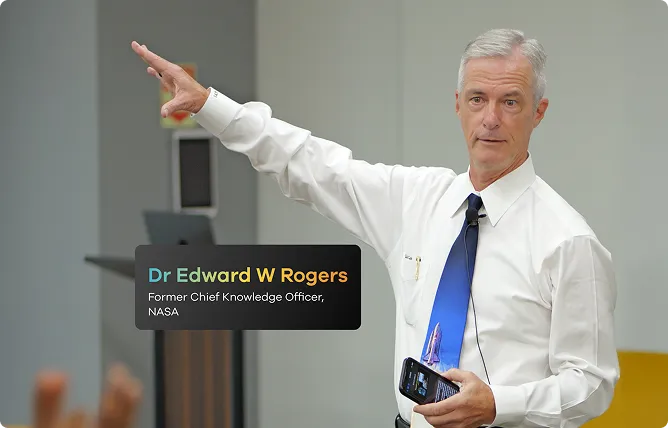
Learn from
AI Practitioners
Learn from AI experts at Microsoft, Google, Meta and leading tech firms, with practitioner-led mentorship.
1:1 mentorship from experts at AI-first organisations
Access masterclasses from executives driving AI Initiatives
Join hands-on workshops on building AI systems
Master
Technical Roadmap
Build & deploy production-grade AI systems with architectural ownership and enterprise readiness.
Ship AI via RAG, fine-tuned models & agent workflows
Engineer cloud AI for reliability, security & compliance
Own high-stake architecture, trade-offs & deployments

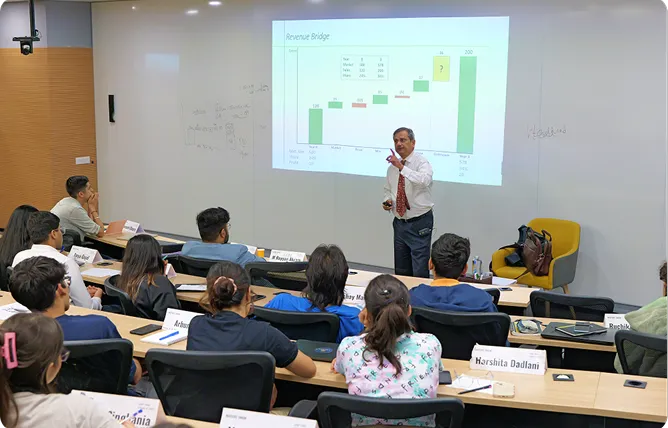
Lead AI Strategies
& Board Decisions
Lead AI investments with financial control, operating models and executive alignment.
Own 36-month AI P&L Playbook framework
Build AI Pod Blueprint covering cost-per-workflow & ROI decisions
Command build-vs-buy decisions and secure C-suite buy-in
Build on
Sovereign Infrastructure
Leverage India’s digital Sovereign infrastructure to build scalable, cost-advantaged AI businesses.
Deploy AI products on India’s Sovereign Stack, Bhashini, ONDC & more
Achieve structural cost advantages with faster AI go-to-market
Build defensible, local-first AI, global rivals can’t replicate
Access an
Elite Leadership Network
Build strategic relationships with decision-makers driving AI and product growth.
Join Closed-door CXO sessions on AI economics & product scale
Network with senior PMs, founders & AI leaders
Build lasting ties with enterprise-scale product leaders
Immerse in the
Global AI Ecosystem
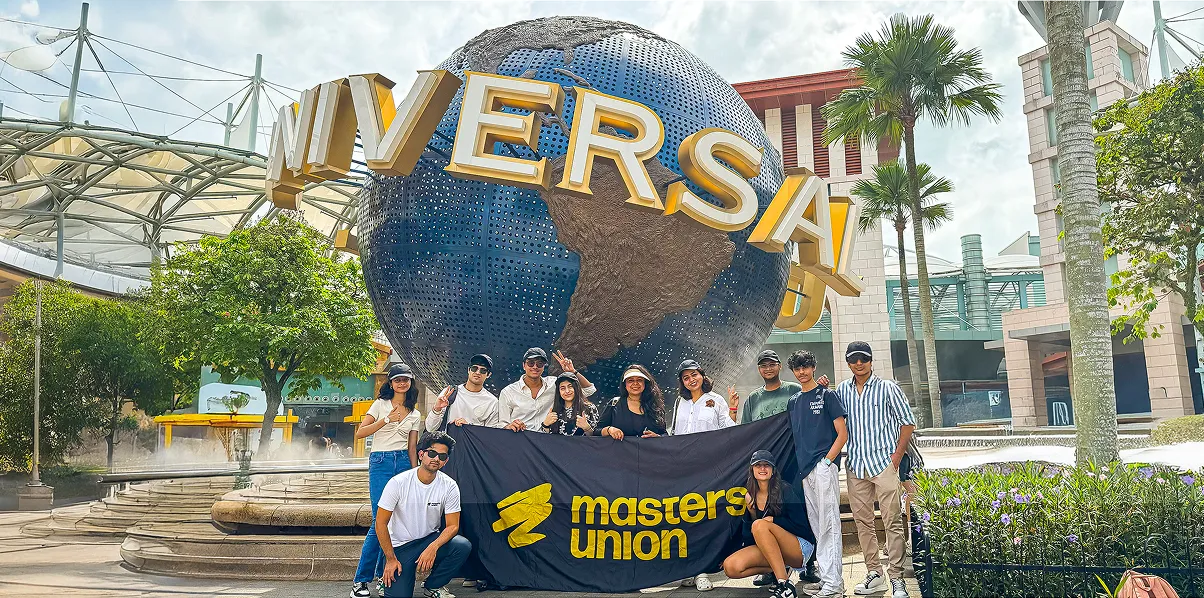
Discover global AI ecosystems and network with AI-first leaders & policy-makers.
Explore AI ecosystems in Singapore, Europe, Japan, UAE
Gain exposure from Singtel, Nissan, Daikin, Emirates and more
Network with AI leaders, founders, and experts globally

Learn from
AI Practitioners
Learn from AI experts at Microsoft, Google, Meta and leading tech firms, with practitioner-led mentorship.
1:1 mentorship from experts at AI-first organisations
Access masterclasses from executives driving AI Initiatives
Join hands-on workshops on building AI systems

Master
Technical Roadmap
Build & deploy production-grade AI systems with architectural ownership and enterprise readiness.
Ship AI via RAG, fine-tuned models & agent workflows
Engineer cloud AI for reliability, security & compliance
Own high-stake architecture, trade-offs & deployments
Lead AI Strategies
& Board Decisions
Lead AI investments with financial control, operating models and executive alignment.
Own 36-month AI P&L Playbook framework
Build AI Pod Blueprint covering cost-per-workflow & ROI decisions
Command build-vs-buy decisions and secure C-suite buy-in

Build on
Sovereign Infrastructure
Leverage India’s digital Sovereign infrastructure to build scalable, cost-advantaged AI businesses.
Deploy AI products on India’s Sovereign Stack, Bhashini, ONDC & more
Achieve structural cost advantages with faster AI go-to-market
Build defensible, local-first AI, global rivals can’t replicate

Access an
Elite Leadership Network
Build strategic relationships with decision-makers driving AI and product growth.
Join Closed-door CXO sessions on AI economics & product scale
PMs, founders & AI leaders
TBuild lasting ties with enterprise-scale product leaders
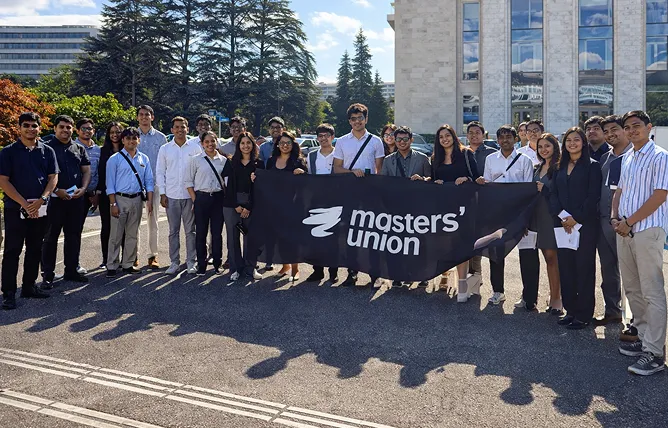
Immerse in the
Global AI Ecosystem
Discover global AI ecosystems and network with AI-first leaders & policy-makers.
Explore AI ecosystems in Singapore, Europe, Japan, UAE,
Gain exposure from Singtel, Nissan, Daikin, Emirates and more
Network with AI leaders, founders, and experts globally
Designed for
Top 1% of Product Leaders
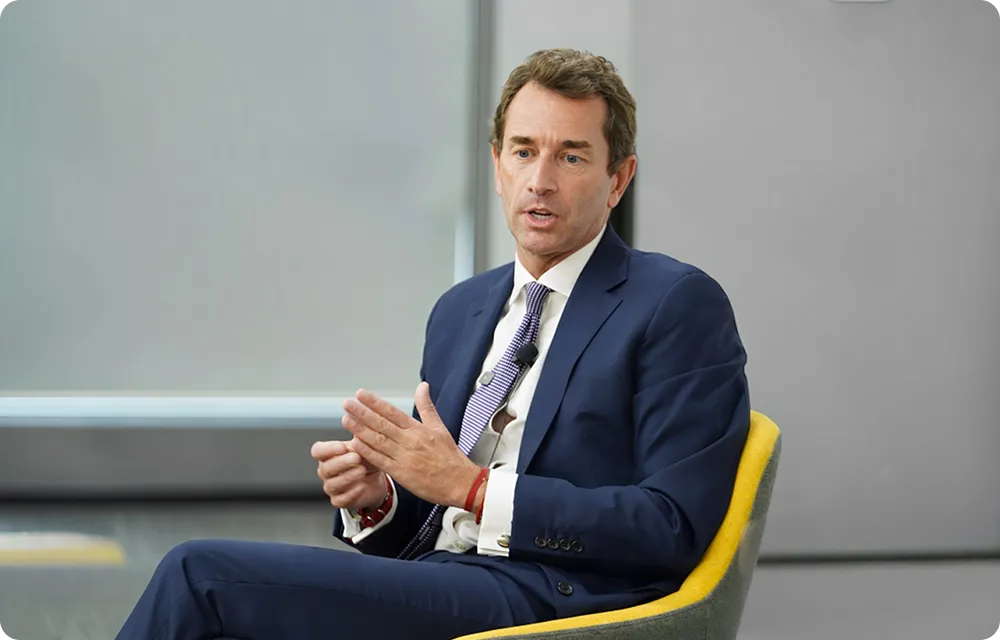
India's only programme where you ship 12+ production-grade AI systems, earn client-signed portfolios, and master the sovereign AI stack
- Product Managers, Senior PMs, Group PMs, Principal PMs
- Product leaders at FAANG, Big Tech, Unicorns, and Series B+ startups
- Founders and CXOs owning AI strategy for their organisations
- Executives looking to pivot into AI Product roles
Why Becoming an
AI-first
Product
Leader Matters Now

70% of PMs are "AI-curious" but lack the technical depth to lead high-stakes AI initiatives
Global AI frameworks ignore Indian market realities like regional language support and DPDP Act compliance
A few PMs struggle to lead LLMOps to achieve 99.9% uptime with board-level compliance and AI economics
The demand for "Head of AI Product" roles is surging as organizations move from experimental pilots to unified AI-first operations

Frameworks You’ll Master

Model Portfolio
Decide which models to run, when, why, and at what cost

AI Unit Economics
Translate token costs into margins and pricing strategy

Agent Readiness
Know when to automate vs. augment human work

Failure Engineering
Plan kill-switches, rollbacks, and partial-success contracts

Trust & Risk
Set safe AI autonomy with board-level oversight

Build/Buy/Partner
Make sourcing decisions that pass CFO scrutiny

Incident Severity
Respond effectively when AI systems fail
HITL Patterns
Design human-in-the-loop as a core product feature
Eval-Linked PRDs
Create living specs that evolve with AI capabilities
Shadow Mode
Test AI in production without exposing users
Model Portfolio
Decide which models to run, when, why, and at what cost
AI Unit Economics
Translate token costs into margins and pricing strategy
Agent Readiness
Know when to automate vs. augment human work
Failure Engineering
Plan kill-switches, rollbacks, and partial-success contracts
Trust & Risk
Set safe AI autonomy with board-level oversight
Build/Buy/Partner
Make sourcing decisions that pass CFO scrutiny
Incident Severity
Respond effectively when AI systems fail
HITL Patterns
Design human-in-the-loop as a core product feature
Eval-Linked PRDs
Create living specs that evolve with AI capabilities
Shadow Mode
Test AI in production without exposing users
What You Will Achieve
in This AI Programme
-
1
Build 12+ production-grade AI systems spanning RAG, fine-tuning, multimodal & more
-
2
Drive AI decisions incorporating unit economics, cost per workflow & more
-
3
Turn AI strategy into executive bets with risk trade-offs
-
4
Lead AI-native Pods delivering speed, ownership, impact
-
5
Present to CXOs via a consulting capstone milestone
Master 40+ AI Tool Stack
Powering Industry-Defining Products





















Faculty at Masters’ Union University


Dr. Nandini Seth
Ph.D, IIM Bangalore

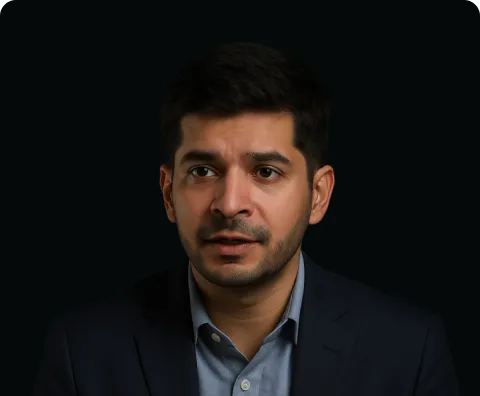
Prithvi Dhingra
Director, Data & Innovation


Dr. Tathagata Dasgupta
Chief Data & Analytics Officer


Edward W Rogers
Former Chief Knowledge Officer


Ujjyaini Mitra
Former Chief Data Officer


Mr. Shubhranil Kundu
Former Associate Researcher

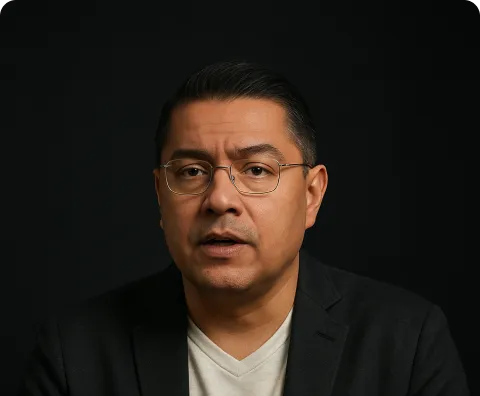


Mr. Aquib Ajani
Chief Technology Officer






Malthi Satish
Former Director of PM



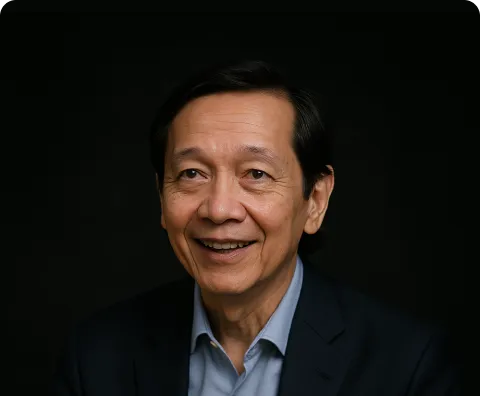

Dr. Shashank S Sharma
Ph.D Marketing Data Science


Tarun Malik
Group Product Management


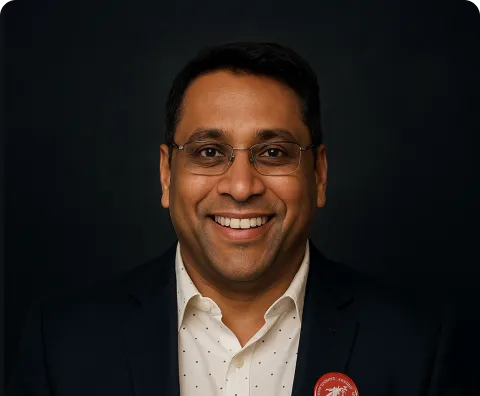
Sumit Kumar Singh
Ex- Principal Product Manager







Mr. Sumant Malhotra
Former Sr. Product Manager

Dr. Nandini Seth
Ph.D, IIM Bangalore
Prithvi Dhingra
Director, Data & Innovation
Dr. Tathagata Dasgupta
Chief Data & Analytics Officer
Edward W Rogers
Former Chief Knowledge Officer
Ujjyaini Mitra
Former Chief Data Officer
Mr. Shubhranil Kundu
Former Associate Researcher
Mr. Aquib Ajani
Chief Technology Officer
Malthi Satish
Former Director of PM
Dr. Shashank S Sharma
Ph.D Marketing Data Science
Tarun Malik
Group Product Management
Sumit Kumar Singh
Ex- Principal Product Manager
Mr. Sumant Malhotra
Former Sr. Product Manager
Analyse the Differentiators:
Our
Programme Vs Other Programmes
Leadership Capability
Other AI Programmes
Executive PGP in AI Product Leadership
AI Strategy linked to Business Outcomes
Partial
End-to-end
AI P&L Ownership and Cost Control
No
Yes
AI Unit Economics (cost per query, token COGS, margins)
No
Yes
Practical Framework: Build vs Buy vs Partner in AI Decisions
No
Yes
Model selection strategy (LLMs, SLMs, APIs, private models)
Partial
End-to-end
Enterprise AI Roadmap Creation
No
Yes
AI use-case Prioritization for ROI
Partial
End-to-end
Risk, compliance & AI governance for Leaders
Partial
End-to-end
AI org design (AI Pods, human+AI workflows)
No
Yes
Vendor evaluation & long-term TCO Planning
No
Yes
AI system evaluation & trust metrics
Partial
End-to-end
LLMOps awareness for Decision-Makers
Yes
Yes
Board-level AI Communication
No
Yes
AI Transformation Execution Planning
No
Yes
Global exposure of AI Ecosystem
No
Yes
Reach out to the Support Team

Email ID

Mobile no.

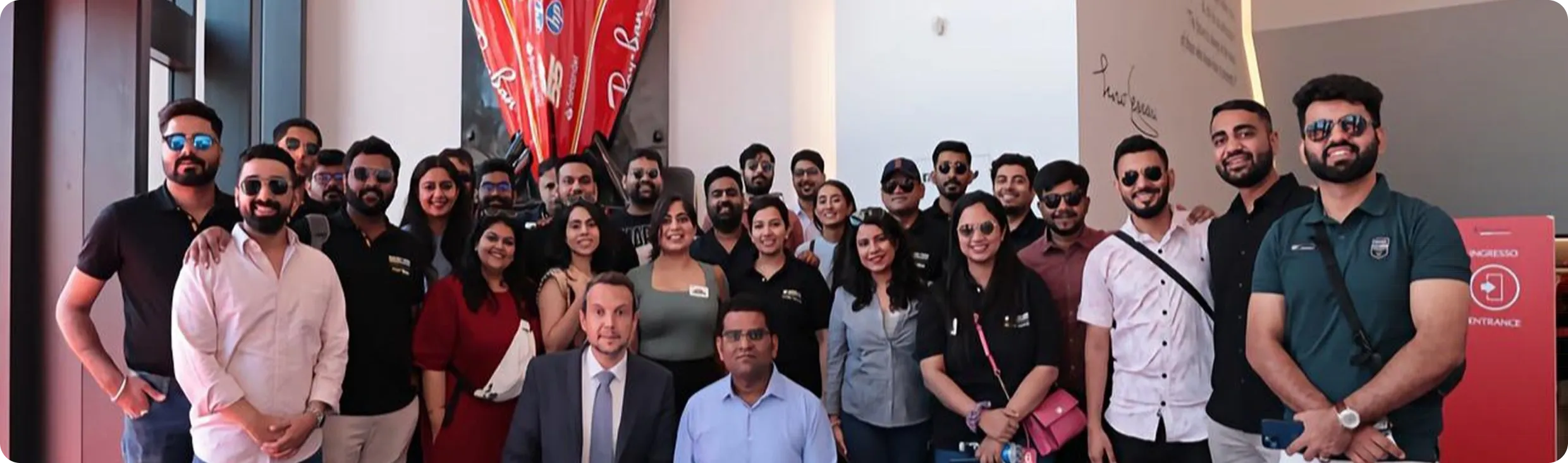
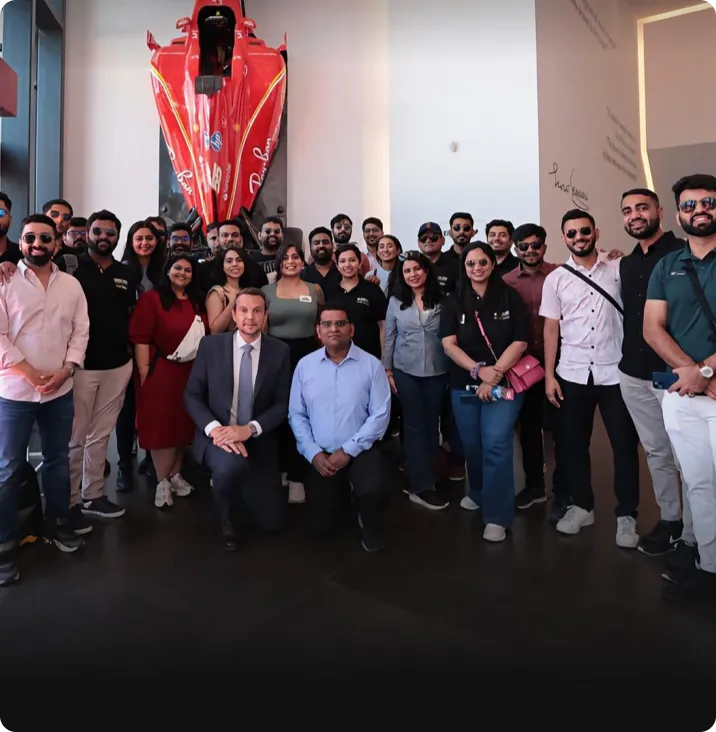
World-class Campus in the Heart of Gurugram
Book a Visit



India’s Most Intensive Executive Programme
Where top product leaders come together to build
transformational AI solutions.
Master Concepts
Inside and Outside the Classroom
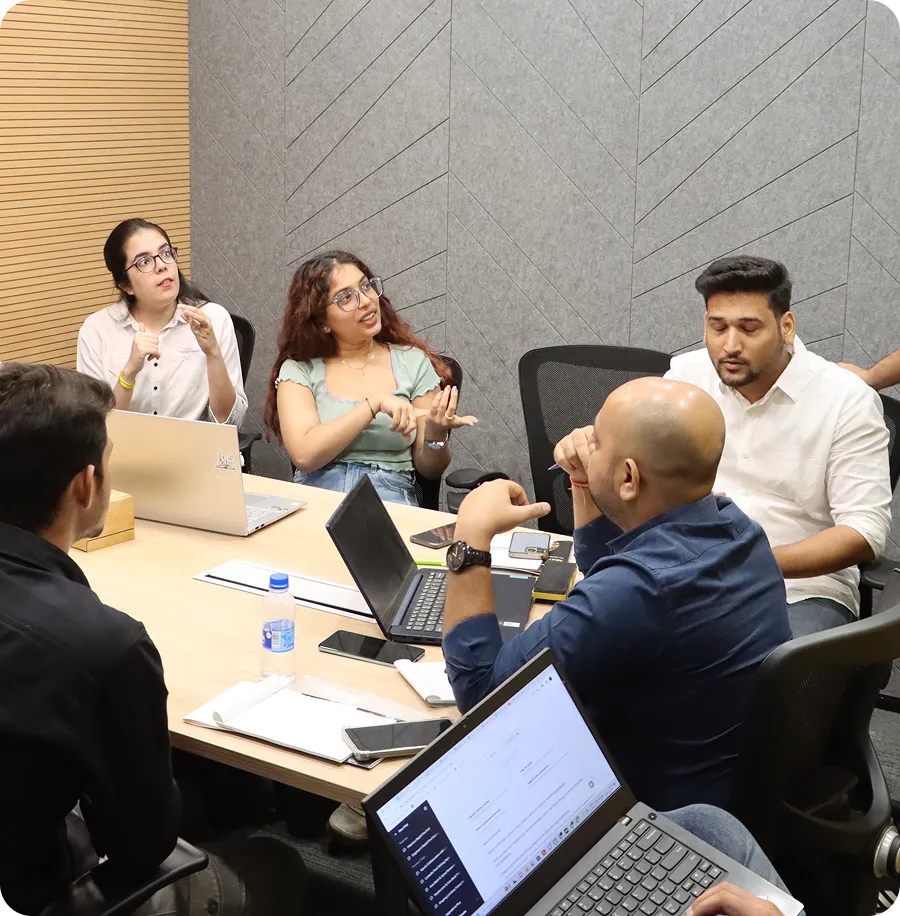
Moving from basic "Chatbots" to production-grade "Conversational Agents"

- In-class
- Out-Class
How to identify and frame business problems that AI can solve
- AI vs. ML vs. Deep Learning landscape
- NLP vs. NLU vs. NLG
- Build vs. buy vs. partner decision matrices
How to design conversation experiences that users actually trust
- Conversational AI architecture (Chatbots vs. Voice bots)
- Dialogue state management & slot filling
- Multi-turn context persistence and long-term memory management
- Session-based vs. user-based conversation memory architecture
How to build and deploy production-ready intelligent interfaces
- No-code architectures: Botpress, Voiceflow, Microsoft Copilot Studio
- CRM and ticketing system integrations
- Success metrics: CSAT, containment rate, and intent accuracy
Case Studies:









Design a context-aware AI support agent that handles complex multi-turn customer interactions
- Deploy customer service chatbot for 5+ scenarios & multi-turn conversations with memory persistence
- Integrate live CRM: Salesforce/HubSpot sync, auto-ticket creation, real-time data retrieval
- Build metrics dashboard with CSAT, containment rate and intent accuracy tracking
Defining Knowledge Systems through RAG Architectures
- In-Class
- Out-Class
How to build knowledge-aware AI that eliminates "hallucinations"
- RAG vs. fine-tuning vs. prompt engineering
- Retrieval-Augmented Generation (RAG) architecture
- Document chunking strategies (fixed-size, semantic, recursive splitting)
- Embeddings and Vector Databases
How to audit AI quality through a dual-layer evaluation framework
- Retrieval Metrics and Generation Metrics
- Hallucination Detection
- RAG Evaluation Framework, RAGAS methodology, end-to-end testing
How to optimize costs and deploy RAG at production scale
- Cost engineering and Performance optimization
- Production deployment, API integration and chatbot embedding
How to engineer effective prompts for RAG systems
- System prompts and instruction design
- Few-shot prompting for improved retrieval
- Chain-of-thought (CoT) reasoning for complex queries
- Structured outputs, JSON mode, and schema enforcement
Case Studies:









Develop a live AI cost observability dashboard to monitor usage and optimize spend
- Build document Q&A system with hybrid search and hallucination detection
- Deploy cost tracking dashboard
- Integrate production system with real-time monitoring & performance alerts
Data Strategy & Domain-Specific Model Customization
- In-Class
- Out-Class
How to decide when to fine-tune versus use off-the-shelf models
- Fine-tuning vs. Prompt Engineering vs. RAG decision matrices
- Behavioral vs. knowledge-based gaps
- ROI calculation: Training costs vs. inference savings vs. quality improvement
How to fine-tune Small Language Models (SLMs) to outperform general-purpose models
- Supervised Fine-Tuning (SFT) and Parameter-Efficient workflows
- Fine-tuning Platforms: Comparison of OpenAI API, Hugging Face, and Google Vertex AI
- Model training, evaluation, and deployment phases with Checkpointing
How to use LoRA and QLoRA techniques to reduce the hardware costs of fine-tuning
- Low-Rank Adaptation (LoRA) and QLoRA architectures
- Quantization-aware training (QAT) and quantization fundamentals
- A/B testing methodologies for performance benchmarking (Fine-tuned vs. Base)
- Product Validation: Accuracy, task completion, and domain-specific metrics
How to engineer a "Gold-Standard" proprietary dataset
- Data requirements: Quality, quantity, diversity, and format specifications
- Synthetic data generation, data augmentation, and cleaning protocols
- Dataset validation and Train/Validation/Test partitioning logic
- Model Health: Hallucination detection and model degradation monitoring
Case Studies:








Design and validate a high-quality custom dataset tailored for domain-specific AI performance
- Prepare custom dataset with quality validation
- Execute fine-tuning job
- Evaluate A/B test with base model vs. fine-tuned model performance
- Conduct cost-benefit and ROI calculation
Deploying Multimodal (Voice & Vision) Experiences
- In-class
- OUT-class
How to build apps that can talk and listen to customers in their own language
- STT (Speech-to-Text) and TTS (Text-to-Speech) pipelines
- Vapi and Bland AI real-time synthesis architectures
- Latency budgets and stream-buffer management
- Voice User Interface (VUI) design patterns and best practices
How to give your products eyes to automatically scan and check items for errors
- Visual inspection logic for damaged packaging and spills
- Automated verification for supply chain claims
- Document AI capabilities - OCR for forms, receipts, invoices, and document understanding
- Multi-modal LLM orchestration (Vision vs. Audio vs. Text)
How to ensure screenless products work reliably in real-world conditions
- Latency budgets and stream-buffer optimization
- Environmental noise and accent augmentation
- Audio/Visual Quality Assurance (QA) performance indicators
Case Studies:





Implement a voice scheduler by integrating Twilio and Vapi for real-time multi-accent support
- Deploy Twilio + Vapi integration of a voice scheduler
- Document processing system for invoice/receipt extraction
Leading LLMOps & Enterprise Product Readiness
- In-class
- OUT-class
How to set up "LangSmith" to automatically monitor and audit AI response quality
- Dual RAG Evaluation Framework
- Context Precision and Context Recall
- Answer Faithfulness and Answer Relevancy
- LLM-as-a-judge (G-Eval) pipelines
How to stop AI from hallucinating or losing accuracy in live systems
- Embedding Drift telemetry
- Real-time hallucination scoring
- Model degradation monitoring
- Semantic caching logic
How to turn a simple AI demo into a secure and reliable enterprise product
- AI Service Level Agreements (SLAs) - outcome-based, not just uptime-based
- Fallback triggers and graceful degradation
- OWASP Top 10 security audits
- PII masking and data privacy protocols
How to measure trust and business-grade evaluation beyond RAGAS
- Task success rate, escalation rate, cost-to-resolution metrics
- Human evaluation protocols and red-teaming exercises
- Trust as a KPI: explainability score, override frequency
- Token burn dashboards and per-feature cost tracking
How to implement AI Product Discovery and deployment strategies
- Wizard of Oz prototyping for AI features
- Shadow mode deployment: AI running silently before going live
- When AI hurts UX and graceful degradation strategies
Case Studies:





Deploy a dual-layer RAG evaluation pipeline to audit retrieval and generation
- Deploy a dual-layer RAG evaluation pipeline auditing the Retrieval Layer vs. the Generation Layer
- Build trust scorecard to track business metrics
Building & Orchestrating Multi-Agent Systems
- In-class
- OUT-class
How to implement the ReAct (Reason + Act) framework to allow AI to solve multi-step problems
- Autonomous planning and task decomposition logic
- Short-term and long-term memory persistence architectures
- Chain-of-thought (CoT) reasoning traces for C-suite transparency
How to design multi-agent workflows using platforms like CrewAI and AutoGen
- Collaboration patterns: Manager, Worker, and Peer-to-Peer roles
- Sequential and hierarchical task delegation logic
- Framework-specific orchestration: CrewAI, AutoGen (AG2), and LangGraph
- MCP (Model Context Protocol) for tool integration
How to scope AI automation for complex processes like SDLC orchestration
- Cross-system orchestration (CRM to ERP to IDE)
- End-to-end SDLC automation thresholds (PRD to Deployment)
- Tool-calling boundaries and API integration protocols
- Autonomous decision thresholds and security guardrails
How to design failure engineering and human-in-the-loop architecture
- Kill-switches and rollback mechanisms for agent systems
- Partial-success contracts and error handling
-
HITL (Human-in-the-Loop) Architecture Patterns:
- Approval gates and escalation trees
- When to route to human vs. autonomous execution
- Override mechanisms and audit trails
Case Studies:




Set up a Market Intelligence Squad using CrewAI for autonomous data operations
- Implement a Market Intelligence Squad using CrewAI
- Configure a team of agents - Researcher, Analyst, and Writer - to fetch real-time competitor data
- Implement failure handling and HITL approval gates
Managing AI Unit Economics & The P&L Trap
- In-class
- OUT-class
How to calculate the "Cost per Workflow" vs. simple token-based pricing to protect profit margins
- Cost per Token (CPT) vs. Cost to Serve (CTS) denomination
- BOM (Bill of Materials) for AI-driven SKUs
- Input-to-output token ratio sensitivity analysis
How to structure Outcome-Based Pricing models that align AI infrastructure costs with business value
- Specialized GPU vs. Standardized CPU workloads
- Prepaid "Token Allowance" credit frameworks
- Value-creating activity mapping (e.g., cost per compliance report vs. cost per query)
- Dynamic model routing for cost-precision optimization
- Model portfolio management (not single-model thinking)
How to mitigate the "Human Behavior Cost Trap" and infrastructure spirals
- Context window compression and prompt caching logic
- Usage-driven cost spike scenario planning
- Long-term Total Cost of Ownership (TCO) 36-month forecasting
- Inference-time retrieval (RAG) vs. retraining ROI matrices
- Drift detection and caching strategies for cost reduction
Case Studies:



Build AI Cost Optimizer: Dynamic Model Routing for 1M+ User Scale
- Develop a Gross Margin Optimizer
- Build a calculator that dynamically shifts model routing based on real-time token expense thresholds and accuracy requirements
- Track token burn dashboard with per-feature cost
Product Strategy & Leveraging "The India Stack"
- In-class
- OUT-class
How to leverage the "India Stack" to reach more customers
- Bhashini API orchestration (STT, TTS, and Neural Translation)
- Beck Protocol and ONDC Open Network architectures
- Indic-language Foundation Models (BharatGen)
- Linguistic diversity benchmarks and dialect support matrices
How to utilize subsidized IndiaAI Compute GPU clusters for cost-efficient model scaling
- IndiaAI Compute Pillar allocation policies
- Subsidized GPU-hour unit economics (₹65/hour benchmarks)
- AIKosh National Dataset Platform and sector-specific data pools
- Indigenous Large Multimodal Model (LMM) development strategies
How to build "Sovereign AI" that global competitors cannot copy
- National platform for inclusive innovation
- Data sovereignty and cloud residency compliance
- Regional Product-Market Fit (PMF) for non-English cohorts
- Indigenous vs. Overseas Cloud Training TCO (35% cost reduction metrics)
- Private/sovereign LLM considerations and data residency requirements
How to use Edge AI and Frontier Technologies
- Edge AI as cost-avoidance strategy (not novelty)
- Computer use agents: browser automation and screen understanding
- Reasoning models: cost curves, traceability, when to use
Case Studies:





Build Voice-First ONDC Commerce Agent with Bhashini Integration
- Implement a "Bharat-Native" Commerce Assistant on the ONDC network
- Integrate Bhashini APIs into a voice-first agent to support real-time multi-vendor transactions
Organizational Design & Ethical Governance
- In-class
- OUT-class
How to restructure your teams to work alongside AI agents
- AI Pod structures and autonomous cross-functional squads
- Workforce skills gap analysis and role-specific upskilling paths
- Hybrid human-AI team topologies and reporting lines
- Centralized vs. decentralized AI ownership models
How to make sure your AI systems are fair, legal, and safe
- Algorithmic Impact Assessment (AIA) and NIST-aligned risk scoring
- Responsible AI principles and bias-auditing protocols
- Model Explainability (XAI) and audit-friendly documentation
- Indian DPDP Act and EU AI Act regulatory mapping
- AI Incident Severity Matrix and rollback SOPs
How to manage the human side of AI transformation
- Leadership inertia mitigation and strategic alignment
- Culture of safe experimentation and failure-tolerant policies
- Post-market surveillance (PMS) and real-world performance monitoring
- Change management feedback loops and stakeholder engagement
Case Studies:





Build Compliance-Ready AIA: Bias Audit & Incident Response Framework
- Execute a comprehensive Algorithmic Impact Assessment (AIA) for a high-stakes enterprise use case
- Identify bias vectors, document data lineage, and draft mitigation strategies by using the EqualAI framework
- Develop AI Incident Playbook with severity matrix
Building an AI Transformation Roadmap
- In-class
- OUT-class
How to find the specific parts of your business where AI will create the most value
- High-value decision point identification
- Opportunity Assessment Matrix and prioritization scoring
- Margin sensitivity analysis for cost-saving automation
- Strategic alignment mapping across customer growth and operational excellence
How to decide whether to build your own AI tools or buy them from outside vendors
- Build vs. Buy vs. Partner decision matrices
- Vendor selection criteria: cost, speed, control, and data sovereignty
- Technical integration complexity and legacy system readiness
- Total Cost of Ownership (TCO) 3-year forecasting
- CFO-ready analysis frameworks
How to present a winning AI business case to your CEO and Board of Directors
- Board-grade AI Business Case formulation
- Strategic ROI modeling: efficiency gains vs. revenue lift
- 360-degree risk assessment: legal, ethical, and reputational audits
- 90-day pilot design and iterative scaling readiness
- Living PRDs that evolve with model capabilities
Function-wise AI Use Cases (Practitioner-led)
- Finance: forecasting, anomaly detection, narrative reporting
- HR: talent intelligence, succession, attrition, leadership analytics
- Marketing: consumer insights, creative intelligence, pricing
- Ops & Supply Chain: demand sensing, process intelligence
Case Studies:







Build Board-Ready AI Strategy: Opportunity Brief with 3-Year P&L Analysis
- Develop "Opportunity Brief" for a high-stakes enterprise project
- Conduct a full "Build vs. Buy" Audit, complete with vendor comparison scores, internal resource requirements, and a detailed 3-year P&L projection
- Prepare an Executive case memo (2-page board-ready summary)
Enterprise Discovery & Solution Design
- CAPSTONE I
- OUT-class
Function as an AI strategy consultant for a live organization—either your own company or an external partner. Apply the complete programme toolkit to audit AI readiness, design production-ready systems, and deliver a board-approved transformation roadmap that solves real business problems with measurable ROI.
How to audit an organisation's AI readiness and identify opportunities
- Conduct stakeholder interviews to understand business pain points
- Assess data infrastructure: What data exists, quality, accessibility
- Evaluate team capabilities and identifying skill gaps
- Analyse AI maturity scoring: Where the organization is vs. where it needs to be
How to build scope high-impact AI solutions aligned to business priorities
- Identify highest-ROI opportunities across functions (HR, Finance, Marketing, Operations)
- Define clear success metrics: Revenue impact, cost savings, time saved
- Assess Feasibility on what's achievable in 4-6 weeks vs. long-term roadmap
- Create executive-level business case with projected ROI
How to design AI solutions that organizations can actually execute
- Build Solution architecture on technical design that works with existing systems
- Differentiate build vs. buy recommendations with vendor comparison
- Plan resources on team requirements, budget, timeline
- Conduct risk mitigation with technical, business, and change management risks
How to present recommendations that secure executive buy-in
- Create board-grade presentation decks
- Perform financial modeling for 3-year cost-benefit analysis
- Prepare Implementation roadmap: 90-day pilot to full-scale deployment
- Develop Change management plan: Training, adoption, stakeholder engagement






Solution Implementation & The AI Operator Residency
- CAPSTONE II
- OUT-class
Develop production-ready AI solutions using real business data (from your chosen organisation), building MVPs and prototypes to measure impact through KPIs, user feedback, and dashboard
How to build production-ready AI solutions under real business constraints
- Build MVP & Rapid prototyping in 2-3 weeks with client data
- Integrate existing systems: CRM, ERP, databases, tools
- Analyse User testing with actual end-users for feedback and iteration
- Implement security, privacy and compliance requirements implementation
How to measure and communicate business impact
- Set up dashboards to track KPIs and ROI metrics
- Conduct Before/after analysis: Quantifying improvements
- Collect user feedback and satisfaction scores
- Create case study documenting results and learnings
- Conduct Failure post-mortem: what went wrong, what you learned
Real Insights from
Our Faculty
Gain insights from Industry Leaders on how technology is shaping the future.




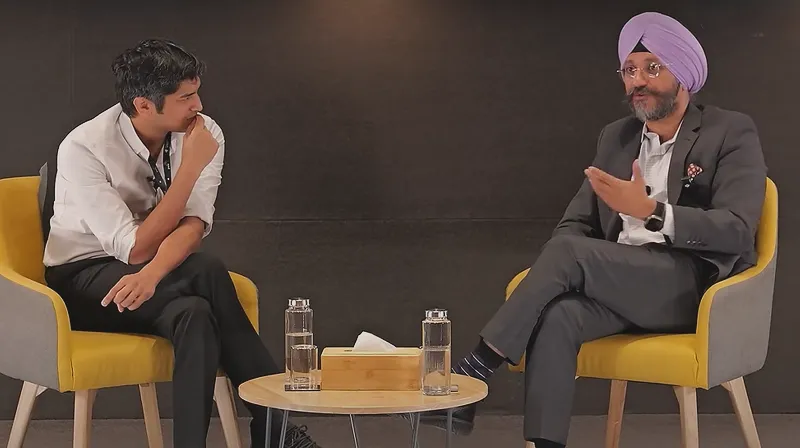

ChapterApps
Explore the role of AI in learning and the future of work
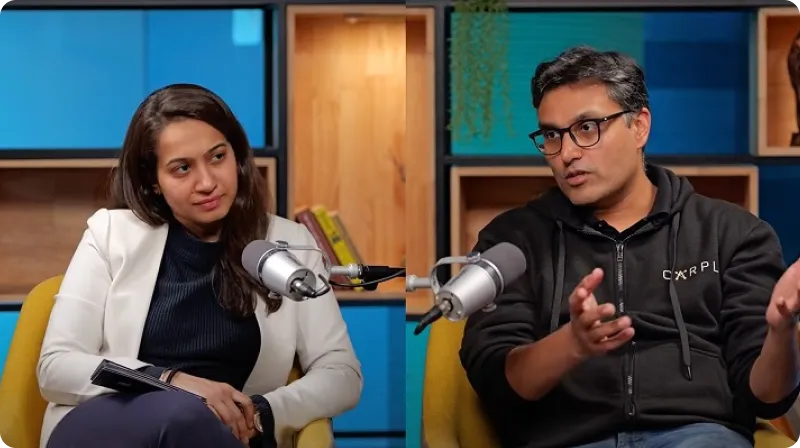
CARPL.ai
Learn how AI is transforming healthcare and radiology

Rabbit AI
Unlock secrets to a career in AI and data science
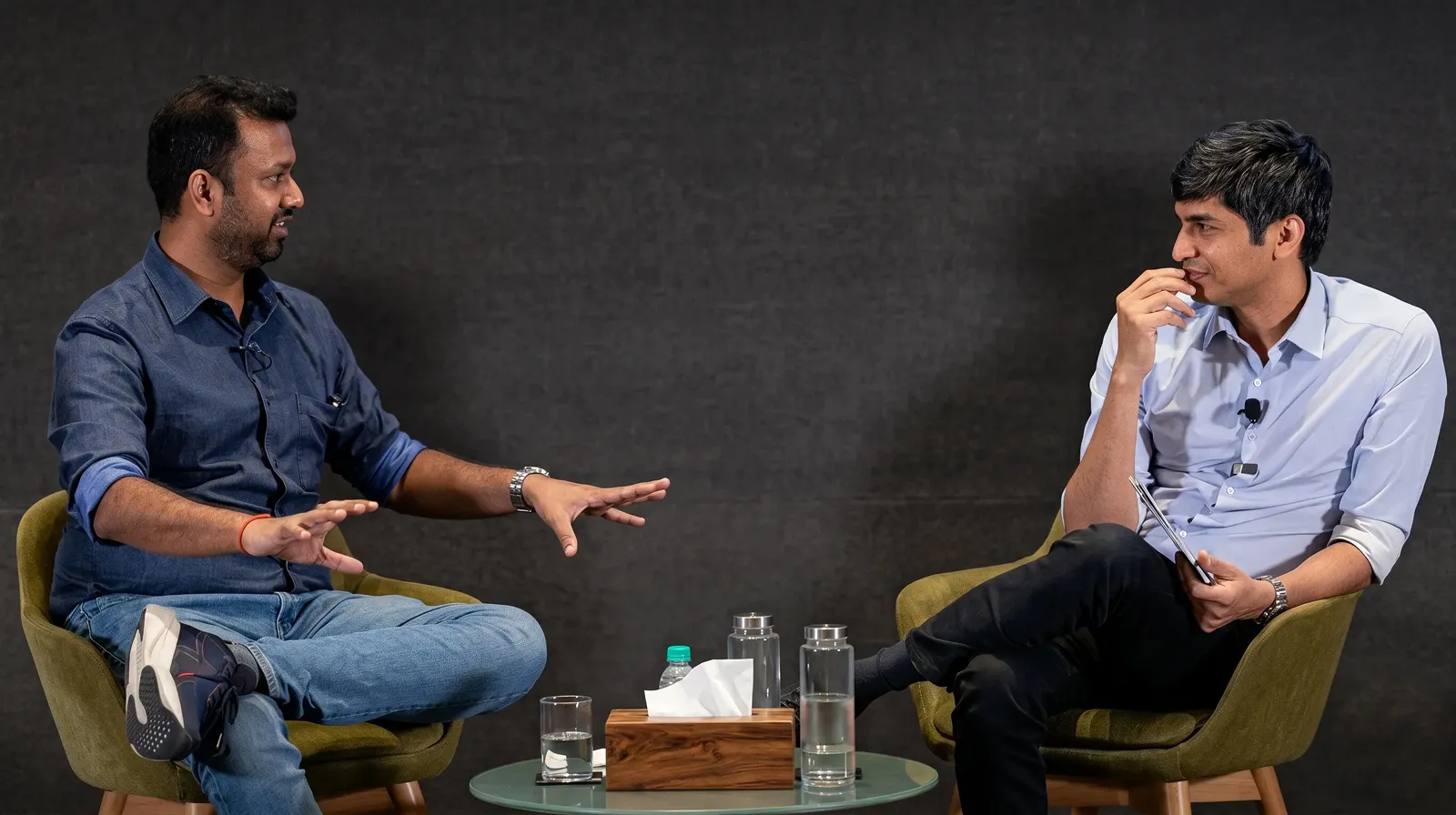
CoinSwitch
Learn how to build your own cryptocurrency
PwC
Discover AI trends and their economic disruptions
IQOO
Discover how AI is transforming the smartphone industry
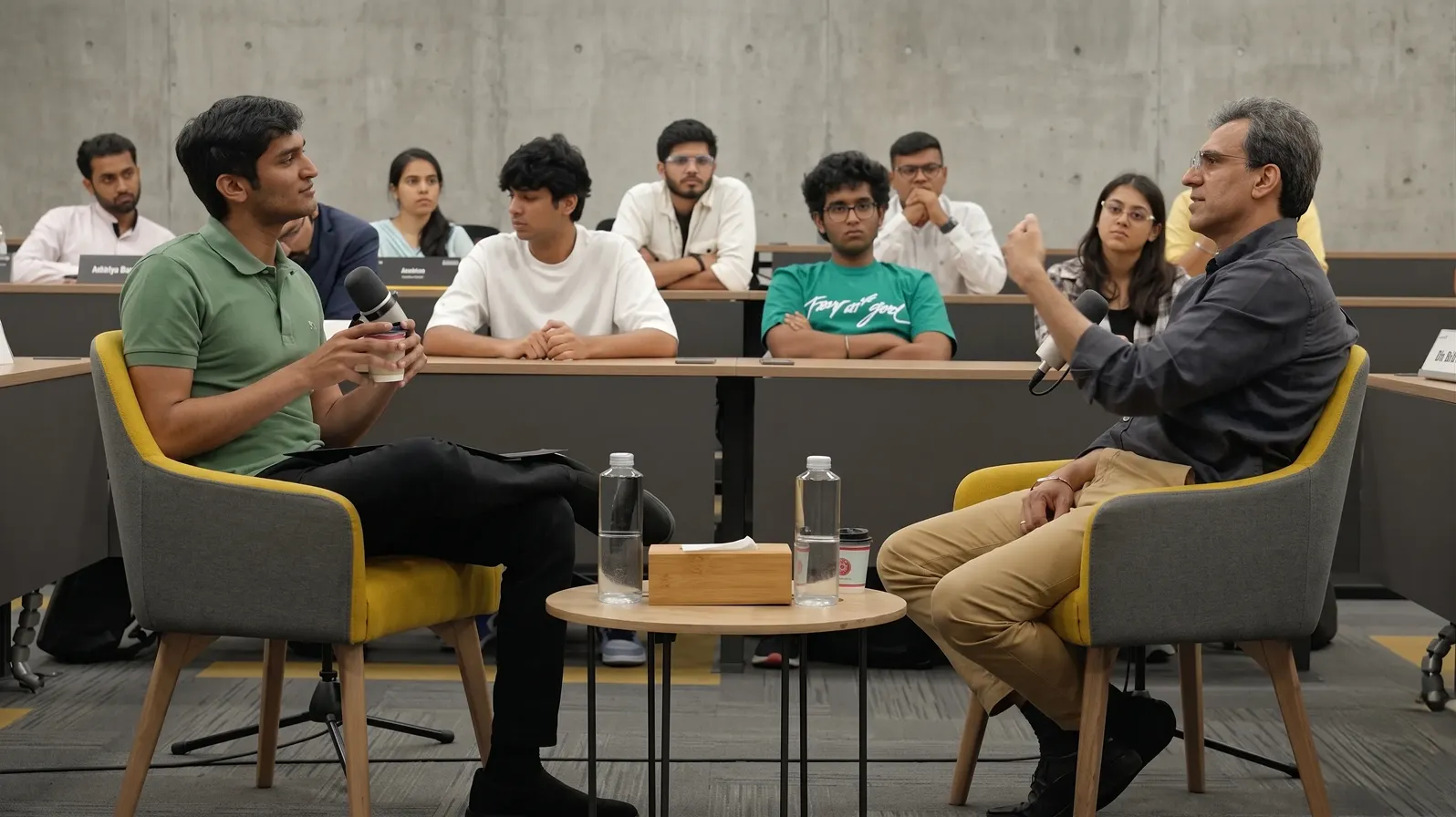
Naukri.com
Learn how technology has revolutionised hiring

Hike
Explore the future of the gaming industry in India
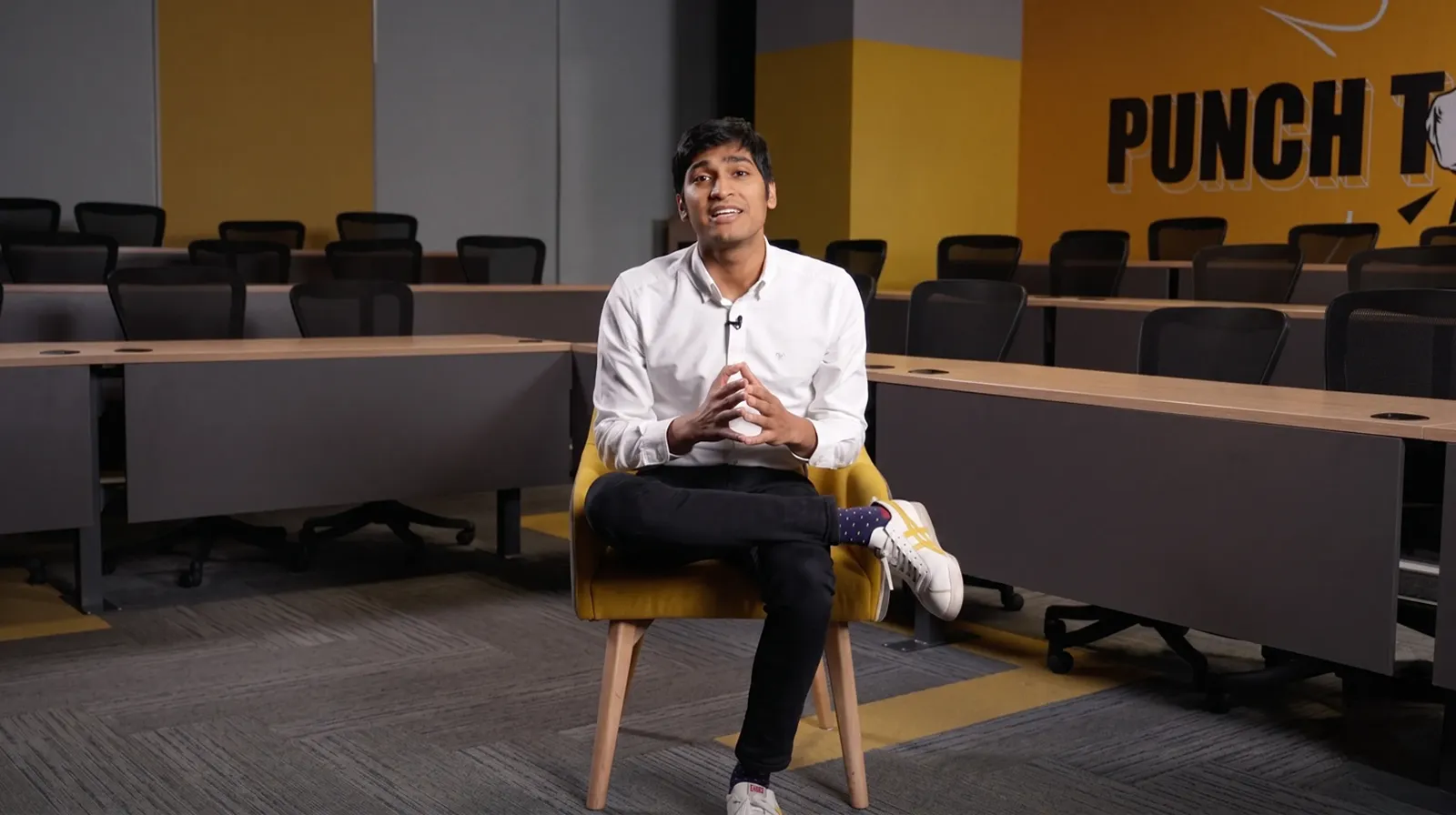
Masters' Union University
Explore AI in personalised education
Faculty at Masters’ Union University
Dr. Nandini Seth
Ph.D, IIM Bangalore
Prithvi Dhingra
Director, Data & Innovation
Dr. Tathagata Dasgupta
Chief Data & Analytics Officer
Edward W Rogers
Former Chief Knowledge Officer
Ujjyaini Mitra
Former Chief Data Officer
Mr. Shubhranil Kundu
Former Associate Researcher
Mr. Aquib Ajani
Chief Technology Officer
Malthi Satish
Former Director of PM
Dr. Shashank S Sharma
Ph.D Marketing Data Science
Tarun Malik
Group Product Management
Sumit Kumar Singh
Ex- Principal Product Manager
Mr. Sumant Malhotra
Former Sr. Product Manager
Dr. Nandini Seth
Ph.D, IIM Bangalore
Prithvi Dhingra
Director, Data & Innovation
Dr. Tathagata Dasgupta
Chief Data & Analytics Officer
Edward W Rogers
Former Chief Knowledge Officer
Ujjyaini Mitra
Former Chief Data Officer
Mr. Shubhranil Kundu
Former Associate Researcher
Mr. Aquib Ajani
Chief Technology Officer
Malthi Satish
Former Director of PM
Dr. Shashank S Sharma
Ph.D Marketing Data Science
Tarun Malik
Group Product Management
Sumit Kumar Singh
Ex- Principal Product Manager
Mr. Sumant Malhotra
Former Sr. Product Manager


Enrollment Checklist
Admissions Criteria

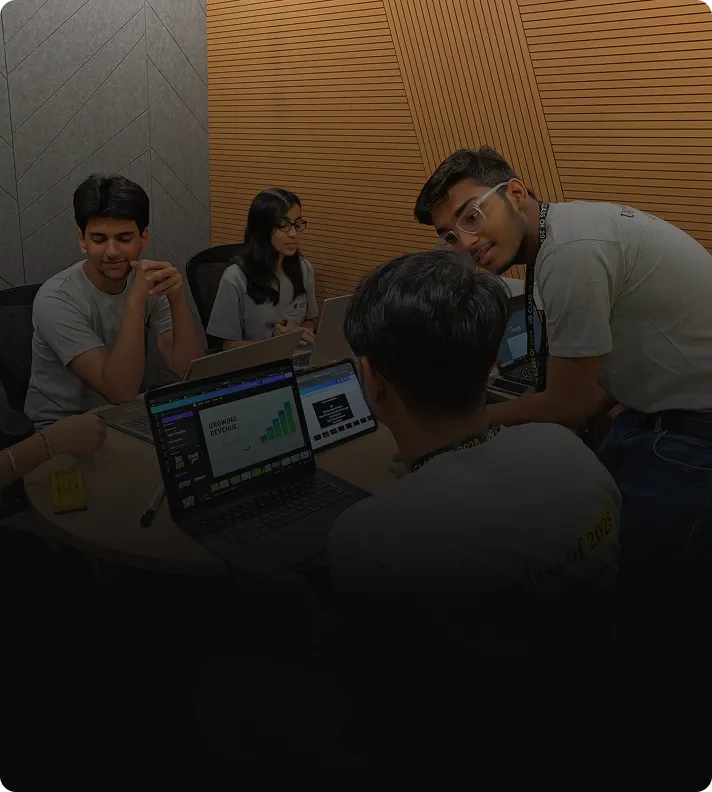


Application Timeline & Process
Executive PGP in AI Product Leadership
| Rounds | Application Date | Personal Interview *(Dates may vary) |
Application Fees | Status |
|---|---|---|---|---|
| Round 1 | 31st March '26 | Coming Soon | Fee 1000/- | Apply Now |
01.
Online
Application
Form


01.
Online Application Form
Candidates must complete and submit the online application form to be considered for the Executive PGP in AI Product Leadership.
Requirements:
-
Personal Details
-
Professional Details
-
Updated Resume
Note: As part of the application, you will also receive a prompt for an essay. You may choose to submit a video essay (Duration: 2 minutes) or a text-based essay (up to 200 words).
02.
1:1
Interview


02.
1:1 Interview
1:1 Interview
Shortlisted candidates will be invited to attend an online interaction. This conversation allows us to understand the applicant better and gives candidates clarity on various aspects of the Executive PGP in AI Product Leadership. The interview would be taken by distinguished faculty members from academia and industry, along with representatives from the core team.


03.
Admission
Decision


03.
Admission Decision
Admission Decision
After the evaluation, the Admissions Office will review the application again before presenting it to the Admissions Committee for the final decision. Candidates will be notified of the outcome of their application via email.
Fee Structure
| Fee Timelines |
Due Date |
Amount |
|---|---|---|
| Admission Offer Acceptance | Within 7 days of offer | INR 1,00,000/- |
| Course Commencement | Before start of classes | INR 7,00,000/- |
| Mid-Course Installment I | After 3 months | INR 5,00,000/- |
| Mid-Course Installment II | After 6 months | INR 5,00,000/- |
| Total Fee | INR 18,00,000 + GST |

Programme Grants
We recognize exceptional candidates and strategic
commitments through grants.

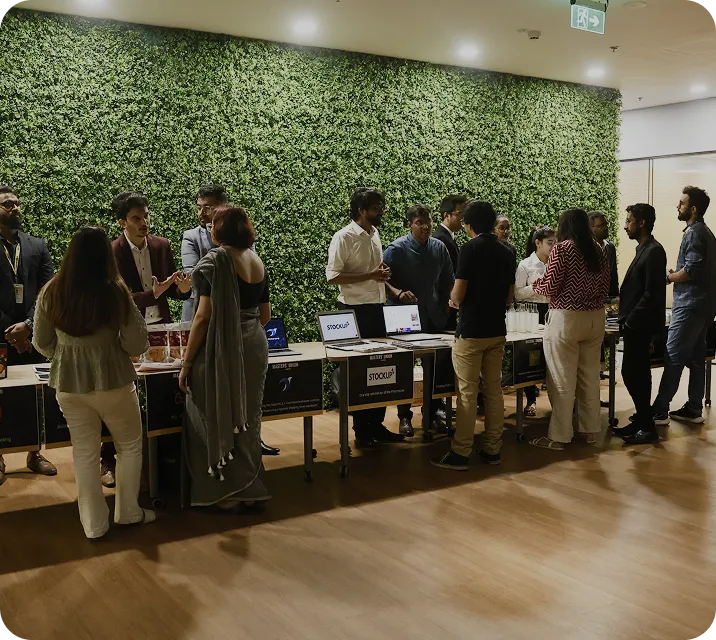
01
Excellence Recognition Award
For candidates with a strong professional track record, technical expertise, and leadership potential. Assessment considers career achievements, organizational impact, and alignment with the programme.
02
Performance-Based Recognition
Additional benefits for top performers during the first six weeks, based on quality of contribution, technical execution, and collaboration with peers.
03
Network Expansion Benefit
Reductions in programme investment for candidates who refer qualified professionals from their network. Specific benefits are determined during admissions and shared in the offer letter.
Reach out to the Support Team
Email ID
Mobile no.
2-Days On-campus
Quarterly Executive Residencies
Every quarter, step away from delivery and into closed-door, high-signal leadership immersions:
- CXO Closed-Room Sessions: Off-the-record conversations with product and AI leaders from Zomato, Swiggy, Flipkart; focused on AI unit economics, scale decisions, and 2026 product bets
- Peer Network Building: Build lasting relationships with senior PMs, founders, and AI leaders operating at enterprise scale