


About us

-
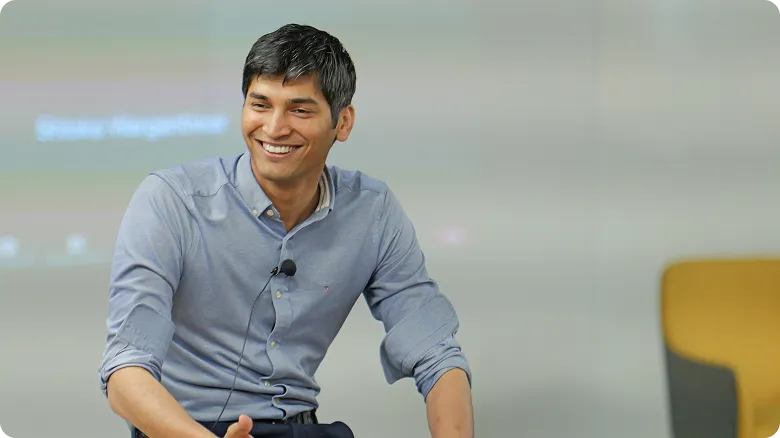
See what students, mentors, alumni and recruiters say about Masters' Union University. Shared highlights and moments that reflect our culture, learning and community. Explore their voices.
OVERVIEW


-
See how Masters’ Union University is represented across leading news and media platforms. Explore articles, features, and press coverage that reflect our journey, initiatives, and growing impact in education, innovation, and industry engagement.
OVERVIEW
-
Explore the awards, rankings and accreditations that recognise the quality, impact and industry relevance of Masters' Union University programmes.
OVERVIEW
-
Explore the reports, brochures, policies, and publications that document Masters' Union University's outcomes, standards, and institutional commitments.
OVERVIEW


PROGRAMMEs
- Highlights
- Curriculum
- Admissions & Fees
- Immersions
- Entrepreneurship
- Careers
- Class Profile
PROGRAMME oVERVIEW
- Highlights
- Curriculum
- Admissions & Fees
- Immersions
- Entrepreneurship
- Career Prospects
- Class Profile
PROGRAMME oVERVIEW
- Highlights
- Curriculum & Faculty
- Immersions
- Admissions & Fees
- Career Prospects
- Class Profile
PROGRAMME oVERVIEW
- Highlights
- Curriculum
PROGRAMME oVERVIEW
- Home
PROGRAMME oVERVIEW
- Highlights
- Curriculum & Faculty
- Admissions & Fees
- Career Prospects
- Class Profile
PROGRAMME oVERVIEW
- Highlights
- Curriculum & Faculty
- Admissions & Fees
- Career Prospects
- Class Profile
PROGRAMME oVERVIEW
- Highlights
- Curriculum
- Admissions & Fees
- Career Prospects
- Class Profile
PROGRAMME oVERVIEW
PROGRAMMEs
- Highlights
- Curriculum & Faculty
- Admissions & Fees
- Career Prospects
- Class Profile
PROGRAMME oVERVIEW
- Highlights
- Curriculum & Faculty
- Admissions & Fees
- Career Prospects
- Class Profile
PROGRAMME oVERVIEW
- Highlights
- Curriculum
- Admissions & Fees
- Career Prospects
- Class Profile
PROGRAMME oVERVIEW
- Highlights
- Curriculum & Faculty
- Admissions & Fees
- Career Prospects
- Class Profile
PROGRAMME oVERVIEW
- Highlights
- Curriculum & Faculty
- Admissions & Fees
- Career Prospects
- Class Profile
PROGRAMME oVERVIEW
- Highlights
- Curriculum
- Admissions & Fees
- Career Prospects
- Class Profile
PROGRAMME oVERVIEW
- Highlights
- Curriculum
- Admissions & Fees
- Career Prospects
- Class Profile
PROGRAMME oVERVIEW
PROGRAMMES
-
PGP in
Technology & Business Management

-
PGP in
Technology & Business Management
(Young Leaders Cohort)
-
MBA in Finance with CFA Pathway
-
Post Graduate Diploma (Human Resources and Organisation Strategy)
-
Post Graduate Diploma (Sports Management and Gaming)
-
PGP in
Applied AI & Agentic Systems
-
PGP in Sustainability &
Business Management
-
Four Nations Global
Business Programme
- Highlights
- Curriculum
- Immersions
- Admissions & Fees
- Career Prospects
- Cohort Profile
PROGRAMME oVERVIEW
- Home
PROGRAMME OVERVIEW
- Highlights
- Curriculum
- Immersions
- Admissions & Fees
- Career Prospects
- Faculty & Student Stories
PROGRAMME oVERVIEW
- Highlights
- Curriculum
- Immersions
- Admissions & Fees
- Career Prospects
PROGRAMME oVERVIEW
- Highlights
- Curriculum & Faculty
- Admissions & Fees
- Career Prospects
PROGRAMME oVERVIEW
- Highlights
- Curriculum & Faculty
- Admissions & Fees
- Career Prospects
PROGRAMME OVERVIEW
- Highlights
- Curriculum & Faculty
- Admissions & Fees
PROGRAMME OVERVIEW
- Highlights
PROGRAMME OVERVIEW
- Highlights
- Curriculum
- Immersions
- Admissions & Fees
- Career Prospects
- Cohort Profile
PROGRAMME oVERVIEW
PROGRAMMES
-
Post Graduate Diploma (Rise General Management)
-
Post Graduate Diploma (Capital Markets & Trading)
-
PGP in US Capital Markets &
Trading
-
PGP
in Entrepreneurship & Business Acceleration
-
Post Graduate Diploma (Rise General Management Global)
-
AI First Operator Programme
-
Bloomberg Equity Research Programme
- Highlights
- Curriculum
- Faculty
- Admissions & Fees
- Career Prospects
- Cohort Profile
PROGRAMME oVERVIEW
- Home
PROGRAMME oVERVIEW
- Highlights
- Curriculum
- Admissions & Fees
PROGRAMME oVERVIEW
- Highlights
- Curriculum
- Admissions & Fees
PROGRAMME oVERVIEW
- Highlights
- Curriculum
- Immersions
- Faculty & Coaches
- Admissions & Fees
- Career Prospects
PROGRAMME oVERVIEW
- Highlights
- Curriculum
PROGRAMME oVERVIEW
- Home
PROGRAMME oVERVIEW
- Highlights
- Global Immersions
- Curriculum
- Faculty & Coaches
- Leadership Learning
- Admissions & Fees
PROGRAMME oVERVIEW
- Highlights
- Curriculum
- Admissions & Fees
PROGRAMME oVERVIEW
PROGRAMMES
- Highlights
- Curriculum
- Beyond Classroom
- Admissions & Fees
PROGRAMME oVERVIEW
- Highlights
- Curriculum
- Beyond Classroom
- Admissions & Fees
PROGRAMME oVERVIEW
- Home
PROGRAMME oVERVIEW
- Home
PROGRAMME oVERVIEW
PROGRAMMES
- Home
PROGRAMME oVERVIEW
- Highlights
- Curriculum
- Beyond Classroom
- Admissions & Fees
PROGRAMME oVERVIEW
- Home
PROGRAMME oVERVIEW
- Home
PROGRAMME oVERVIEW
STUDENT LIFE
- Student Premises
- Amenities
- Hostel Council
oVERVIEW


- Case Union
- UnMute
- Clubs & Committees
oVERVIEW

oVERVIEW
- Healthcare
- BFSI
- Technology
- Manufacturing
- Retail
Industry
- Governments
- Universities
- Startups
- SMEs
- Large Enterprises
Industry
oVERVIEW
PROGRAMMEs
- Highlights
- Curriculum & Faculty
- Admissions & Fees
- Career Prospects
- Class Profile
PROGRAMME oVERVIEW
- Highlights
- Curriculum & Faculty
- Admissions & Fees
- Career Prospects
- Class Profile
PROGRAMME oVERVIEW
- Highlights
- Curriculum
- Admissions & Fees
- Career Prospects
- Class Profile
PROGRAMME oVERVIEW
- Highlights
- Curriculum & Faculty
- Admissions & Fees
- Career Prospects
- Class Profile
PROGRAMME oVERVIEW
- Highlights
- Curriculum & Faculty
- Admissions & Fees
- Career Prospects
- Class Profile
PROGRAMME oVERVIEW
- Highlights
- Curriculum
- Admissions & Fees
- Career Prospects
- Class Profile
PROGRAMME oVERVIEW
- Highlights
- Curriculum
- Admissions & Fees
- Career Prospects
- Class Profile
PROGRAMME oVERVIEW
PROGRAMMES
- Highlights
- Curriculum
- Immersions
- Admissions & Fees
- Career Prospects
- Cohort Profile
PROGRAMME oVERVIEW
- Home
PROGRAMME OVERVIEW
- Highlights
- Curriculum
- Immersions
- Admissions & Fees
- Career Prospects
- Faculty & Student Stories
PROGRAMME oVERVIEW
- Highlights
- Curriculum
- Immersions
- Admissions & Fees
- Career Prospects
PROGRAMME oVERVIEW
- Highlights
- Curriculum & Faculty
- Admissions & Fees
- Career Prospects
PROGRAMME oVERVIEW
- Highlights
- Curriculum
- Immersions
- Admissions & Fees
- Career Prospects
- Cohort Profile
PROGRAMME oVERVIEW
PROGRAMMES
- Highlights
- Curriculum
- Faculty
- Admissions & Fees
- Career Prospects
- Cohort Profile
PROGRAMME oVERVIEW
- Highlights
- Curriculum
- Admissions & Fees
PROGRAMME oVERVIEW
- Highlights
- Curriculum
- Admissions & Fees
PROGRAMME oVERVIEW
- Highlights
- Curriculum
- Immersions
- Faculty & Coaches
- Admissions & Fees
- Career Prospects
PROGRAMME oVERVIEW
- Highlights
- Global Immersions
- Curriculum
- Faculty & Coaches
- Leadership Learning
- Admissions & Fees
PROGRAMME oVERVIEW
- Highlights
- Curriculum
- Admissions & Fees
PROGRAMME oVERVIEW


About Us

Undergraduate
Postgraduate
PGP in Technology & Business Management
PGP in Technology & Business Management
(Young Leaders Cohort)
MBA in Finance with CFA Pathway
Post Graduate Diploma (Human Resources and Organisation Strategy)
Post Graduate Diploma (Sports Management and Gaming)
PGP in Applied AI & Agentic Systems
PGP in Sustainability & Business Management
Four Nations Global Business Programme
Executive
Post Graduate Diploma (Rise General Management)
Post Graduate Diploma (Capital Markets & Trading)
PGP in US Capital Markets & Trading
PGP in Entrepreneurship & Business Acceleration
Post Graduate Diploma (Rise General Management Global)
AI First Operator Programme
Bloomberg Equity Research Programme
Family Business
Immersions
1:1 Executive Coaching
Careers
Innovations
Faculty
MU Ventures
Enterprise L&D
Student Life
Jobs
Become a Master
Merch Store
events
For Companies
Blog
Coach LMS
Human Resource Management
What Does the Future of HR in India Look Like Beyond Hiring?
April 3, 2026
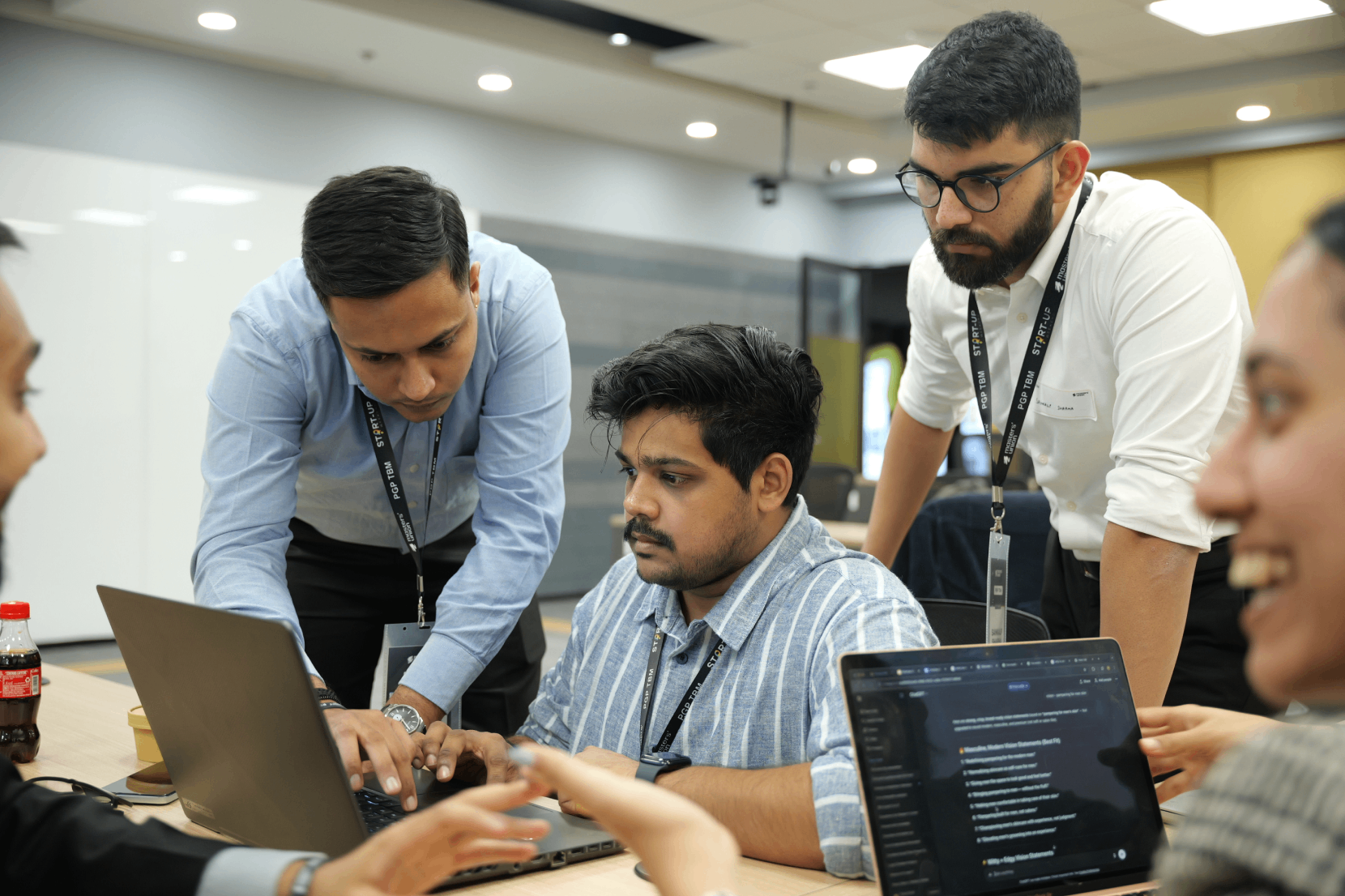
Most people still think HR is about hiring and payroll. And for a long time, that was fair.
But walk into any serious organisation in India today and the picture looks different. The HR leader in the room isn't processing offer letters. They're advising the CEO on where to restructure, which teams are underperforming and why, and what the workforce needs to look like eighteen months from now to hit the numbers on the board.
That shift is not coming. It is already here.
HR in India is stepping into one of the most consequential roles in modern business. One where your decisions don't merely fill positions but determine how an entire organisation is built, run and grown. Tasks like workforce planning, organisation design, people analytics and culture architecture are not HR buzzwords anymore. They are core business functions, and the professionals who own them are being handed a seat at the leadership table.
Strategic HR: Rising Importance and Urgency
According to EY’s CHRO 2030 research, which draws insights from over 160 executives across 26 countries, the strategic importance of HR is at an all-time high. Around 85% of employers expect HR to be a critical driver of business success in the next five years, yet 89% believe the function must evolve significantly to meet changing organisational needs. This gap highlights the urgent need for HR leaders who can leverage technology, data, and people strategy to create a measurable talent advantage.
Why does the HR leadership requires to evolve:
-
Strategic HR is essential for business growth and competitiveness
-
HR must evolve rapidly to meet changing talent and business demands
-
Only 32% of organisations currently deliver a strong talent advantage
How HR Roles Are Changing in India: Beyond Recruitment & Payroll
Traditional HR roles focused primarily on recruitment, payroll, and compliance. Today, HR is increasingly involved in shaping enterprise strategy, embedding culture, and advising leadership on workforce decisions. By 2030, HR executives in India are expected to operate as strategic partners, using analytics, AI, and agile workforce design to improve efficiency, predict talent needs, and reduce attrition. This evolution requires professionals who can integrate business knowledge with HR insights to drive meaningful organisational outcomes.
What's driving the change:
-
HR now functions as a strategic partner to business leaders
-
Analytics and AI are transforming workforce planning and decision-making
-
HR professionals influence culture, talent, and organisational design
Emerging Skills for HR Professionals
The shift towards strategic HR demands a diverse skill set. Professionals must combine technical expertise with analytical thinking and strategic leadership capabilities. Proficiency in people analytics, organisation design, and workforce strategy enables HR leaders to translate data into actionable insights, optimise team structures, and enhance performance. Programmes like the PGP in Human Resources & Organisation Strategy (HR&OS) at Masters’ Union are designed to build these skills through structured coursework, live projects, and industry immersion, preparing graduates to thrive in complex, tech-enabled HR environments.
Skills that define the modern HR leader:
-
People Analytics: Make data-driven hiring, retention, and performance decisions.
-
Organisation Design: Build scalable structures and efficient workflows.
-
Strategic Leadership: Advise executives and shape company culture.
-
Change Management: Lead digital transformation and workforce evolution.
Technology as a Catalyst for HR Transformation
Technology is redefining the HR function in India. EY’s CHRO 2030 research highlights AI, Generative AI (GenAI), robotic process automation (RPA), and advanced analytics as key enablers for the HR transformation journey. These technologies automate administrative tasks, enhance decision-making, and allow HR leaders to focus on strategy and workforce impact. Incorporating these tools into daily HR practice allows organisations to improve employee experiences while driving business outcomes.
How technology powers HR transformation:
-
AI & ML: Automate repetitive tasks and support predictive decision-making.
-
GenAI: Create training materials, performance feedback, and personalised HR content.
-
RPA: Streamline payroll, compliance, and administration.
-
Advanced Analytics: Enable insights for workforce planning and talent strategy.
Future HR Roles in India: High-Impact Career Pathways
The HR landscape in India is producing new, high-impact roles that go far beyond traditional administration. Graduates can step into positions such as People Analytics Consultant, Workforce Strategy Advisor, HR Transformation Lead, Talent & Culture Specialist, or CHRO Office Associate. These roles require professionals to blend analytical thinking, strategic insight, and practical experience, while using technology to inform decision-making. Programmes like the PGP HR&OS at Masters’ Union provide hands-on exposure to these roles through live projects, advisory sprints, and internships.
Emerging career pathways in Indian HR:
-
Strategic roles are emerging in analytics, transformation, and culture.
-
HR leaders influence business strategy and talent outcomes.
-
Practical experience and advisory exposure are critical for career readiness.
Preparing for Strategic HR Leadership
To succeed in India’s evolving HR ecosystem, professionals need more than theory. Structured hands-on projects, industry immersion, and real-world advisory are essential for developing leadership capabilities. The need of the hour is practical exposure beyond the classroom, something that the PGP in HR&OS at Master’s Union incorporates live talent acquisition sprints, culture audits, HR consulting labs, and internships, both domestic and international, to ensure graduates can translate learning into measurable impact. Graduates also receive a globally recognised certification, signalling readiness to take on strategic HR responsibilities from day one.
Building leadership through hands-on experience:
-
Hands-on Learning: Talent acquisition sprints and HR consulting labs.
-
Industry Immersion: Interaction with CHROs, founders, and HR leaders.
-
Global Exposure: Domestic and international internships for real-world insights.
-
Credentialing: Globally recognised certification for credibility and employability.
The HR landscape in India is changing faster than ever. By 2026, the most impactful HR leaders won’t just manage hiring or payroll; they will shape business strategy, design organisational structures, and leverage data to make informed workforce decisions. Technology, from AI to advanced analytics, will be a key enabler, but success will also hinge on understanding people, culture, and change management. Those who can balance strategy, analytics, and human insight will define the next era of HR leadership.
Ultimately, the question for aspiring HR professionals isn’t just what jobs will exist in the future, but how they can position themselves to make a meaningful difference in how organisations work, how people grow, and how strategy translates into action.
FAQs
-
Does Masters’ Union offer a comprehensive HR programme after graduation?
The PGP in HR&OS blends business fundamentals, analytics, organisation design, and strategic people leadership to prepare graduates for emerging HR roles.
-
What HR career opportunities are available after graduation?
Graduates can pursue strategic roles in analytics, HR transformation, talent management, workforce strategy, and CHRO offices across startups and enterprises.
-
How do strategic HR roles differ from traditional HR?
Strategic HR focuses on shaping culture, influencing leadership, and applying data-driven workforce insights, unlike traditional HR, which primarily handles hiring and administrative functions.
-
Which skills are essential for future HR professionals in India?
Analytics, organisation design, change management, people strategy, and leadership advisory are critical skills for the HR leaders of tomorrow.
-
How does the programme integrate industry exposure?
Masters’ Union offers live projects, advisory sprints, internship opportunities, and access to HR leaders, ensuring graduates gain practical, real-world experience.