


About us


-
See what students, mentors, alumni and recruiters say about Masters' Union University. Shared highlights and moments that reflect our culture, learning and community. Explore their voices.
OVERVIEW


-
See how Masters’ Union University is represented across leading news and media platforms. Explore articles, features, and press coverage that reflect our journey, initiatives, and growing impact in education, innovation, and industry engagement.
OVERVIEW

-
Explore the awards, rankings and accreditations that recognise the quality, impact and industry relevance of Masters' Union University programmes.
OVERVIEW

-
Explore the reports, brochures, policies, and publications that document Masters' Union University's outcomes, standards, and institutional commitments.
OVERVIEW


PROGRAMMEs
- Highlights
- Curriculum
- Admissions & Fees
- Immersions
- Entrepreneurship
- Careers
- Class Profile
PROGRAMME oVERVIEW
- Highlights
- Curriculum
- Admissions & Fees
- Immersions
- Entrepreneurship
- Career Prospects
- Class Profile
PROGRAMME oVERVIEW
- Highlights
- Curriculum & Faculty
- Immersions
- Admissions & Fees
- Career Prospects
- Class Profile
PROGRAMME oVERVIEW
- Highlights
- Curriculum
PROGRAMME oVERVIEW
- Home
PROGRAMME oVERVIEW
- Highlights
- Curriculum & Faculty
- Admissions & Fees
- Career Prospects
- Class Profile
PROGRAMME oVERVIEW
- Highlights
- Curriculum & Faculty
- Admissions & Fees
- Career Prospects
- Class Profile
PROGRAMME oVERVIEW
- Highlights
- Curriculum
- Admissions & Fees
- Career Prospects
- Class Profile
PROGRAMME oVERVIEW
PROGRAMMEs
- Highlights
- Curriculum & Faculty
- Admissions & Fees
- Career Prospects
- Class Profile
PROGRAMME oVERVIEW
- Highlights
- Curriculum & Faculty
- Admissions & Fees
- Career Prospects
- Class Profile
PROGRAMME oVERVIEW
- Highlights
- Curriculum
- Admissions & Fees
- Career Prospects
- Class Profile
PROGRAMME oVERVIEW
- Highlights
- Curriculum & Faculty
- Admissions & Fees
- Career Prospects
- Class Profile
PROGRAMME oVERVIEW
- Highlights
- Curriculum & Faculty
- Admissions & Fees
- Career Prospects
- Class Profile
PROGRAMME oVERVIEW
- Highlights
- Curriculum
- Admissions & Fees
- Career Prospects
- Class Profile
PROGRAMME oVERVIEW
- Highlights
- Curriculum
- Admissions & Fees
- Career Prospects
- Class Profile
PROGRAMME oVERVIEW
PROGRAMMES
-
PGP in
Technology & Business Management

-
PGP in
Technology & Business Management
(Young Leaders Cohort)
-
MBA in Finance with CFA Pathway
-
Post Graduate Diploma (Human Resources and Organisation Strategy)
-
Post Graduate Diploma (Sports Management and Gaming)
-
PGP in
Applied AI & Agentic Systems
-
PGP in Sustainability &
Business Management
-
Four Nations Global
Business Programme
- Highlights
- Curriculum
- Immersions
- Admissions & Fees
- Career Prospects
- Cohort Profile
PROGRAMME oVERVIEW
- Home
PROGRAMME OVERVIEW
- Highlights
- Curriculum
- Immersions
- Admissions & Fees
- Career Prospects
- Faculty & Student Stories
PROGRAMME oVERVIEW
- Highlights
- Curriculum
- Immersions
- Admissions & Fees
- Career Prospects
PROGRAMME oVERVIEW
- Highlights
- Curriculum & Faculty
- Admissions & Fees
- Career Prospects
PROGRAMME oVERVIEW
- Highlights
- Curriculum & Faculty
- Admissions & Fees
- Career Prospects
PROGRAMME OVERVIEW
- Highlights
- Curriculum & Faculty
- Admissions & Fees
PROGRAMME OVERVIEW
- Highlights
PROGRAMME OVERVIEW
- Highlights
- Curriculum
- Immersions
- Admissions & Fees
- Career Prospects
- Cohort Profile
PROGRAMME oVERVIEW
PROGRAMMES
-
Post Graduate Diploma (Rise General Management)
-
Post Graduate Diploma (Capital Markets & Trading)
-
PGP in US Capital Markets &
Trading
-
PGP
in Entrepreneurship & Business Acceleration
-
Post Graduate Diploma (Rise General Management Global)
-
AI First Operator Programme
-
Bloomberg Equity Research Programme
- Highlights
- Curriculum
- Faculty
- Admissions & Fees
- Career Prospects
- Cohort Profile
PROGRAMME oVERVIEW
- Home
PROGRAMME oVERVIEW
- Highlights
- Curriculum
- Admissions & Fees
PROGRAMME oVERVIEW
- Highlights
- Curriculum
- Admissions & Fees
PROGRAMME oVERVIEW
- Highlights
- Curriculum
- Immersions
- Faculty & Coaches
- Admissions & Fees
- Career Prospects
PROGRAMME oVERVIEW
- Highlights
- Curriculum
PROGRAMME oVERVIEW
- Home
PROGRAMME oVERVIEW
- Highlights
- Global Immersions
- Curriculum
- Faculty & Coaches
- Leadership Learning
- Admissions & Fees
PROGRAMME oVERVIEW
- Highlights
- Curriculum
- Admissions & Fees
PROGRAMME oVERVIEW
PROGRAMMES
- Highlights
- Curriculum
- Beyond Classroom
- Admissions & Fees
PROGRAMME oVERVIEW
- Highlights
- Curriculum
- Beyond Classroom
- Admissions & Fees
PROGRAMME oVERVIEW
- Home
PROGRAMME oVERVIEW
- Home
PROGRAMME oVERVIEW
PROGRAMMES
- Home
PROGRAMME oVERVIEW
- Highlights
- Curriculum
- Beyond Classroom
- Admissions & Fees
PROGRAMME oVERVIEW
- Home
PROGRAMME oVERVIEW
- Home
PROGRAMME oVERVIEW
STUDENT LIFE
- Student Premises
- Amenities
- Hostel Council
oVERVIEW


- Case Union
- UnMute
- Clubs & Committees
oVERVIEW


oVERVIEW

- Healthcare
- BFSI
- Technology
- Manufacturing
- Retail
Industry
- Governments
- Universities
- Startups
- SMEs
- Large Enterprises
Industry
oVERVIEW
PROGRAMMEs
- Highlights
- Curriculum & Faculty
- Admissions & Fees
- Career Prospects
- Class Profile
PROGRAMME oVERVIEW
- Highlights
- Curriculum & Faculty
- Admissions & Fees
- Career Prospects
- Class Profile
PROGRAMME oVERVIEW
- Highlights
- Curriculum
- Admissions & Fees
- Career Prospects
- Class Profile
PROGRAMME oVERVIEW
- Highlights
- Curriculum & Faculty
- Admissions & Fees
- Career Prospects
- Class Profile
PROGRAMME oVERVIEW
- Highlights
- Curriculum & Faculty
- Admissions & Fees
- Career Prospects
- Class Profile
PROGRAMME oVERVIEW
- Highlights
- Curriculum
- Admissions & Fees
- Career Prospects
- Class Profile
PROGRAMME oVERVIEW
- Highlights
- Curriculum
- Admissions & Fees
- Career Prospects
- Class Profile
PROGRAMME oVERVIEW
PROGRAMMES
- Highlights
- Curriculum
- Immersions
- Admissions & Fees
- Career Prospects
- Cohort Profile
PROGRAMME oVERVIEW
- Home
PROGRAMME OVERVIEW
- Highlights
- Curriculum
- Immersions
- Admissions & Fees
- Career Prospects
- Faculty & Student Stories
PROGRAMME oVERVIEW
- Highlights
- Curriculum
- Immersions
- Admissions & Fees
- Career Prospects
PROGRAMME oVERVIEW
- Highlights
- Curriculum & Faculty
- Admissions & Fees
- Career Prospects
PROGRAMME oVERVIEW
- Highlights
- Curriculum
- Immersions
- Admissions & Fees
- Career Prospects
- Cohort Profile
PROGRAMME oVERVIEW
PROGRAMMES
- Highlights
- Curriculum
- Faculty
- Admissions & Fees
- Career Prospects
- Cohort Profile
PROGRAMME oVERVIEW
- Highlights
- Curriculum
- Admissions & Fees
PROGRAMME oVERVIEW
- Highlights
- Curriculum
- Admissions & Fees
PROGRAMME oVERVIEW
- Highlights
- Curriculum
- Immersions
- Faculty & Coaches
- Admissions & Fees
- Career Prospects
PROGRAMME oVERVIEW
- Highlights
- Global Immersions
- Curriculum
- Faculty & Coaches
- Leadership Learning
- Admissions & Fees
PROGRAMME oVERVIEW
- Highlights
- Curriculum
- Admissions & Fees
PROGRAMME oVERVIEW


About Us

Undergraduate
Postgraduate
PGP in Technology & Business Management
PGP in Technology & Business Management
(Young Leaders Cohort)
MBA in Finance with CFA Pathway
Post Graduate Diploma (Human Resources and Organisation Strategy)
Post Graduate Diploma (Sports Management and Gaming)
PGP in Applied AI & Agentic Systems
PGP in Sustainability & Business Management
Four Nations Global Business Programme
Executive
Post Graduate Diploma (Rise General Management)
Post Graduate Diploma (Capital Markets & Trading)
PGP in US Capital Markets & Trading
PGP in Entrepreneurship & Business Acceleration
Post Graduate Diploma (Rise General Management Global)
AI First Operator Programme
Bloomberg Equity Research Programme
Family Business
Immersions
1:1 Executive Coaching
Careers
Innovations
Faculty
MU Ventures
Enterprise L&D
Student Life
Jobs
Become a Master
Merch Store
events
For Companies
Blog
Coach LMS
IPO Boom India: What Investors Should Know
February 11, 2025
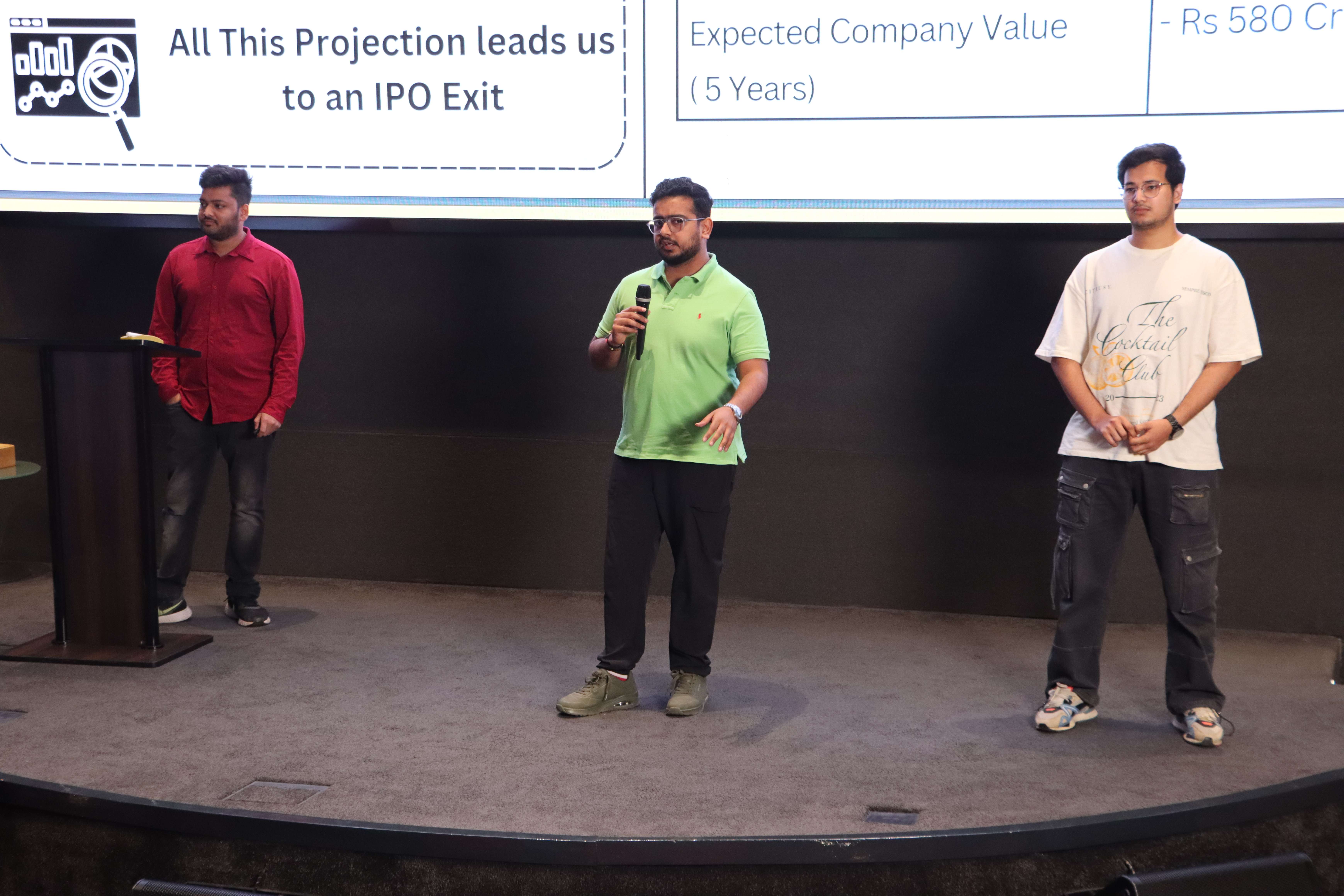
India is witnessing one of its busiest IPO periods yet. Companies are keen to list because domestic markets are deep, retail participation is on the rise, and global investors are actively seeking exposure to India’s growth story. For many firms, an IPO is more than fundraising. It’s a statement of credibility, signalling that the business is ready for wider scrutiny and long-term growth.
Drivers Behind IPO India Momentum
-
Listing provides global visibility and strengthens brand credibility
-
Retail investor participation is increasing thanks to online trading platforms
-
Regulatory support and transparency boost confidence among investors
-
Sectors like fintech, technology, consumer brands, and renewable energy lead the wave
The Numbers Behind the Surge
By mid-2025, India is projected to witness over 100 IPOs, collectively raising more than ₹2 lakh crore. This is nearly double what the country saw in 2023. Strong domestic liquidity, a growing digital economy, and international investor interest are driving this surge. While opportunities are abundant, investors need to carefully identify companies with sustainable growth.
Key Metrics Behind India’s IPO Boom
-
Over 100 IPOs expected by mid-2025, raising ₹2 lakh crore+
-
Growth nearly twice the total raised in 2023
-
High investor participation thanks to digital trading platforms
-
Tech, fintech, and AI-driven companies dominate the listings
IPO Opportunities
Not all IPOs are equal. In 2025, tech, fintech, and AI-enabled businesses are attracting the most attention, supported by government incentives and an expanding digital consumer base. At the same time, manufacturing, pharmaceuticals, and renewable energy are providing diversification options for investors.
Sectors Offering Strong IPO Opportunities
-
Technology companies focusing on SaaS, software, and digital solutions
-
Fintech startups with scalable payment and lending platforms
-
Pharma and healthcare firms serving domestic and global markets
-
Renewable energy businesses meeting ESG and sustainability goals
How to Invest in IPO in India
Investing in an IPO requires more than enthusiasm; it demands research and strategy. Understanding the company’s business model, growth prospects, and competitive advantages is crucial. Risk-averse investors should prioritise stability and long-term potential over short-term hype. Listing-day volatility must also be considered when planning investments.
Steps for Smart IPO Investment in India
-
Analyse the company’s financial health and long-term growth strategy
-
Focus on businesses with clear revenue models and competitive moats
-
Risk-averse investors should target established companies with steady performance
-
Use demat accounts and online platforms for easy subscription
What Investors Should Know Post IPO
The initial listing is only the start. Some investors chase hype without considering long-term prospects. In reality, opportunities often arise after the stock stabilises. Monitoring post IPO performance is essential for deciding whether to hold, sell, or buy additional shares.
Post IPO Strategies for Investors
-
Track stock price movement after listing to gauge stability
-
Compare performance with industry peers and market benchmarks
-
Focus on sustainable revenue growth rather than short-term spikes
-
Use post IPO data to inform future investment choices
IPO Performance, Evaluating Success
Not all IPOs deliver immediate returns. Roughly 30% of IPOs in the past five years underperformed post-listing due to overvaluation, untested business models, or lack of scalability. Evaluating performance requires examining financials, leadership, and market trends rather than reacting to media hype.
How to Track IPO Performance in India
-
Review revenue growth, profit margins, and debt-to-equity ratios
-
Compare market valuations with similar listed companies
-
Monitor analyst reports and investor sentiment
-
Focus on long-term scalability before making major decisions
Balancing Opportunity and Caution
While IPOs promise attractive returns, risk-averse investors need to act carefully. Overexposure to speculative listings can lead to losses. Diversifying investments and prioritising companies with strong fundamentals is critical. Patience often yields better results than impulsive participation.
Risk Management Tips for IPO Investors
-
Diversify across sectors and types of IPOs
-
Avoid subscribing to every new listing without research
-
Limit exposure based on personal risk tolerance
-
Monitor both pre-IPO fundamentals and post-IPO performance
IPO vs Secondary Market
Although IPOs are tempting for early gains, secondary market purchases often provide better value. Companies with strong fundamentals may perform well once initial volatility settles. Observing post-listing trends allows investors to make measured decisions and reduce exposure to hype-driven swings.
Long-Term IPO Investment Strategies
-
Observe listing-day price trends before committing large investments
-
Buy on dips once the market stabilises
-
Focus on companies with proven business models and growth potential
-
Hold shares for multiple years to capture sustainable returns
The Future of the IPO Market in India
The 2025 IPO boom is part of India’s growing public market participation. Digital platforms, supportive regulations, and increasing investor awareness allow more individuals to access high-growth opportunities. However, as the market matures, differentiating genuine opportunities from hype will be key to long-term success.
Emerging Trends in India’s IPO Market
-
Continued growth in retail participation through online platforms
-
Tech, fintech, and renewable energy sectors leading listings
-
Greater scrutiny of valuations and business fundamentals
-
Increased importance of tracking post-IPO performance and metrics
FAQs
1. What is the IPO boom India is experiencing in 2025?
Over 100 IPOs are expected, raising more than ₹2 lakh crore. Driven by domestic liquidity, digital economy growth, and global investor interest.
2. How can a risk-averse investor participate in IPOs?
Focus on stable companies with proven track records and diversify investments across sectors and avoid hype-driven decisions.
3. What should investors consider post IPO?
Track stock price stability and revenue growth and compare performance with peers and adjust investment strategy.
4. How do I invest in an IPO in India?
Use demat accounts and online trading platforms and research the company’s financial health, business model, and growth potential.
5. How to track IPO performance effectively?
Monitor financial metrics such as revenue, profits, and valuations, review analyst reports and market sentiment, and consider long-term scalability before deciding to hold or sell.