


About us

-
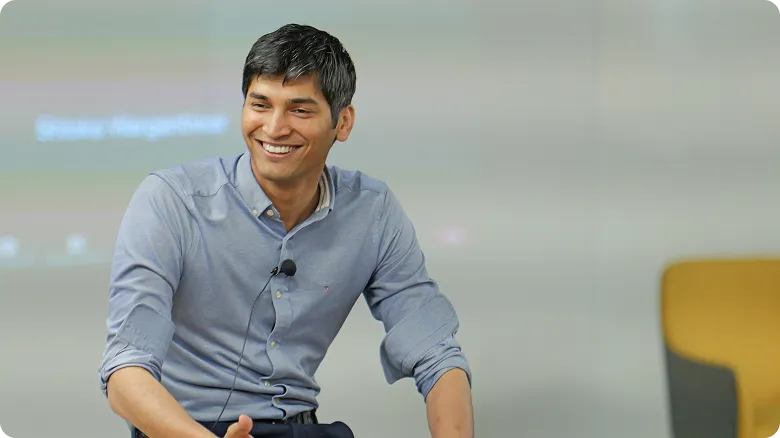
See what students, mentors, alumni and recruiters say about Masters' Union University. Shared highlights and moments that reflect our culture, learning and community. Explore their voices.
OVERVIEW


-
See how Masters’ Union University is represented across leading news and media platforms. Explore articles, features, and press coverage that reflect our journey, initiatives, and growing impact in education, innovation, and industry engagement.
OVERVIEW
-
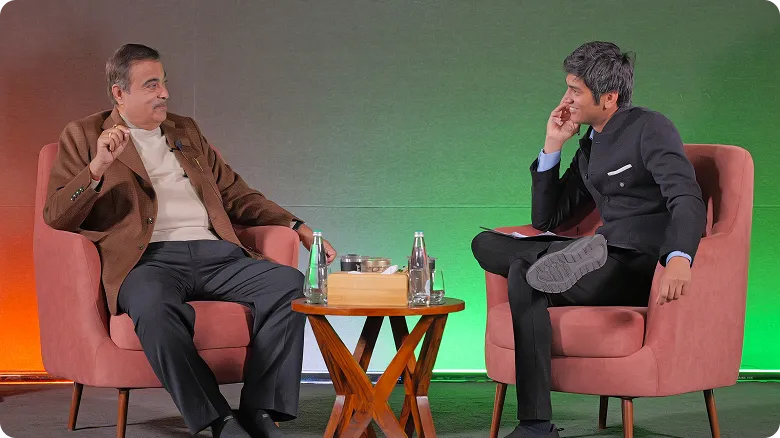
Explore the awards, rankings and accreditations that recognise the quality, impact and industry relevance of Masters' Union University programmes.
OVERVIEW
-
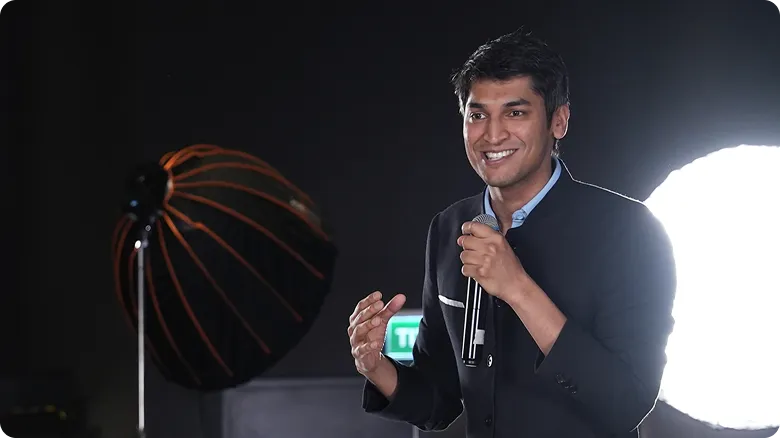
Explore the reports, brochures, policies, and publications that document Masters' Union University's outcomes, standards, and institutional commitments.
OVERVIEW


PROGRAMMEs
- Highlights
- Curriculum
- Admissions & Fees
- Immersions
- Entrepreneurship
- Careers
- Class Profile
PROGRAMME oVERVIEW
- Highlights
- Curriculum
- Admissions & Fees
- Immersions
- Entrepreneurship
- Career Prospects
- Class Profile
PROGRAMME oVERVIEW
- Highlights
- Curriculum & Faculty
- Immersions
- Admissions & Fees
- Career Prospects
- Class Profile
PROGRAMME oVERVIEW
- Highlights
- Curriculum
PROGRAMME oVERVIEW
- Home
PROGRAMME oVERVIEW
- Highlights
- Curriculum & Faculty
- Admissions & Fees
- Career Prospects
- Class Profile
PROGRAMME oVERVIEW
- Highlights
- Curriculum & Faculty
- Admissions & Fees
- Career Prospects
- Class Profile
PROGRAMME oVERVIEW
- Highlights
- Curriculum
- Admissions & Fees
- Career Prospects
- Class Profile
PROGRAMME oVERVIEW
PROGRAMMEs
- Highlights
- Curriculum & Faculty
- Admissions & Fees
- Career Prospects
- Class Profile
PROGRAMME oVERVIEW
- Highlights
- Curriculum & Faculty
- Admissions & Fees
- Career Prospects
- Class Profile
PROGRAMME oVERVIEW
- Highlights
- Curriculum
- Admissions & Fees
- Career Prospects
- Class Profile
PROGRAMME oVERVIEW
- Highlights
- Curriculum & Faculty
- Admissions & Fees
- Career Prospects
- Class Profile
PROGRAMME oVERVIEW
- Highlights
- Curriculum & Faculty
- Admissions & Fees
- Career Prospects
- Class Profile
PROGRAMME oVERVIEW
- Highlights
- Curriculum
- Admissions & Fees
- Career Prospects
- Class Profile
PROGRAMME oVERVIEW
- Highlights
- Curriculum
- Admissions & Fees
- Career Prospects
- Class Profile
PROGRAMME oVERVIEW
PROGRAMMES
-
PGP in
Technology & Business Management

-
PGP in
Technology & Business Management
(Young Leaders Cohort)
-
MBA in Finance with CFA Pathway
-
Post Graduate Diploma (Human Resources and Organisation Strategy)
-
Post Graduate Diploma (Sports Management and Gaming)
-
PGP in
Applied AI & Agentic Systems
-
PGP in Sustainability &
Business Management
-
Four Nations Global
Business Programme
- Highlights
- Curriculum
- Immersions
- Admissions & Fees
- Career Prospects
- Cohort Profile
PROGRAMME oVERVIEW
- Home
PROGRAMME OVERVIEW
- Highlights
- Curriculum
- Immersions
- Admissions & Fees
- Career Prospects
- Faculty & Student Stories
PROGRAMME oVERVIEW
- Highlights
- Curriculum
- Immersions
- Admissions & Fees
- Career Prospects
PROGRAMME oVERVIEW
- Highlights
- Curriculum & Faculty
- Admissions & Fees
- Career Prospects
PROGRAMME oVERVIEW
- Highlights
- Curriculum & Faculty
- Admissions & Fees
- Career Prospects
PROGRAMME OVERVIEW
- Highlights
- Curriculum & Faculty
- Admissions & Fees
PROGRAMME OVERVIEW
- Highlights
PROGRAMME OVERVIEW
- Highlights
- Curriculum
- Immersions
- Admissions & Fees
- Career Prospects
- Cohort Profile
PROGRAMME oVERVIEW
PROGRAMMES
-
Post Graduate Diploma (Rise General Management)
-
Post Graduate Diploma (Capital Markets & Trading)
-
PGP in US Capital Markets &
Trading
-
PGP
in Entrepreneurship & Business Acceleration
-
Post Graduate Diploma (Rise General Management Global)
-
AI First Operator Programme
-
Bloomberg Equity Research Programme
- Highlights
- Curriculum
- Faculty
- Admissions & Fees
- Career Prospects
- Cohort Profile
PROGRAMME oVERVIEW
- Home
PROGRAMME oVERVIEW
- Highlights
- Curriculum
- Admissions & Fees
PROGRAMME oVERVIEW
- Highlights
- Curriculum
- Admissions & Fees
PROGRAMME oVERVIEW
- Highlights
- Curriculum
- Immersions
- Faculty & Coaches
- Admissions & Fees
- Career Prospects
PROGRAMME oVERVIEW
- Highlights
- Curriculum
PROGRAMME oVERVIEW
- Home
PROGRAMME oVERVIEW
- Highlights
- Global Immersions
- Curriculum
- Faculty & Coaches
- Leadership Learning
- Admissions & Fees
PROGRAMME oVERVIEW
- Highlights
- Curriculum
- Admissions & Fees
PROGRAMME oVERVIEW
PROGRAMMES
- Highlights
- Curriculum
- Beyond Classroom
- Admissions & Fees
PROGRAMME oVERVIEW
- Highlights
- Curriculum
- Beyond Classroom
- Admissions & Fees
PROGRAMME oVERVIEW
- Home
PROGRAMME oVERVIEW
- Home
PROGRAMME oVERVIEW
PROGRAMMES
- Home
PROGRAMME oVERVIEW
- Highlights
- Curriculum
- Beyond Classroom
- Admissions & Fees
PROGRAMME oVERVIEW
- Home
PROGRAMME oVERVIEW
- Home
PROGRAMME oVERVIEW
STUDENT LIFE
- Student Premises
- Amenities
- Hostel Council
oVERVIEW


- Case Union
- UnMute
- Clubs & Committees
oVERVIEW

oVERVIEW
- Healthcare
- BFSI
- Technology
- Manufacturing
- Retail
Industry
- Governments
- Universities
- Startups
- SMEs
- Large Enterprises
Industry
oVERVIEW
PROGRAMMEs
- Highlights
- Curriculum & Faculty
- Admissions & Fees
- Career Prospects
- Class Profile
PROGRAMME oVERVIEW
- Highlights
- Curriculum & Faculty
- Admissions & Fees
- Career Prospects
- Class Profile
PROGRAMME oVERVIEW
- Highlights
- Curriculum
- Admissions & Fees
- Career Prospects
- Class Profile
PROGRAMME oVERVIEW
- Highlights
- Curriculum & Faculty
- Admissions & Fees
- Career Prospects
- Class Profile
PROGRAMME oVERVIEW
- Highlights
- Curriculum & Faculty
- Admissions & Fees
- Career Prospects
- Class Profile
PROGRAMME oVERVIEW
- Highlights
- Curriculum
- Admissions & Fees
- Career Prospects
- Class Profile
PROGRAMME oVERVIEW
- Highlights
- Curriculum
- Admissions & Fees
- Career Prospects
- Class Profile
PROGRAMME oVERVIEW
PROGRAMMES
- Highlights
- Curriculum
- Immersions
- Admissions & Fees
- Career Prospects
- Cohort Profile
PROGRAMME oVERVIEW
- Home
PROGRAMME OVERVIEW
- Highlights
- Curriculum
- Immersions
- Admissions & Fees
- Career Prospects
- Faculty & Student Stories
PROGRAMME oVERVIEW
- Highlights
- Curriculum
- Immersions
- Admissions & Fees
- Career Prospects
PROGRAMME oVERVIEW
- Highlights
- Curriculum & Faculty
- Admissions & Fees
- Career Prospects
PROGRAMME oVERVIEW
- Highlights
- Curriculum
- Immersions
- Admissions & Fees
- Career Prospects
- Cohort Profile
PROGRAMME oVERVIEW
PROGRAMMES
- Highlights
- Curriculum
- Faculty
- Admissions & Fees
- Career Prospects
- Cohort Profile
PROGRAMME oVERVIEW
- Highlights
- Curriculum
- Admissions & Fees
PROGRAMME oVERVIEW
- Highlights
- Curriculum
- Admissions & Fees
PROGRAMME oVERVIEW
- Highlights
- Curriculum
- Immersions
- Faculty & Coaches
- Admissions & Fees
- Career Prospects
PROGRAMME oVERVIEW
- Highlights
- Global Immersions
- Curriculum
- Faculty & Coaches
- Leadership Learning
- Admissions & Fees
PROGRAMME oVERVIEW
- Highlights
- Curriculum
- Admissions & Fees
PROGRAMME oVERVIEW


About Us

Undergraduate
Postgraduate
PGP in Technology & Business Management
PGP in Technology & Business Management
(Young Leaders Cohort)
MBA in Finance with CFA Pathway
Post Graduate Diploma (Human Resources and Organisation Strategy)
Post Graduate Diploma (Sports Management and Gaming)
PGP in Applied AI & Agentic Systems
PGP in Sustainability & Business Management
Four Nations Global Business Programme
Executive
Post Graduate Diploma (Rise General Management)
Post Graduate Diploma (Capital Markets & Trading)
PGP in US Capital Markets & Trading
PGP in Entrepreneurship & Business Acceleration
Post Graduate Diploma (Rise General Management Global)
AI First Operator Programme
Bloomberg Equity Research Programme
Family Business
Immersions
1:1 Executive Coaching
Careers
Innovations
Faculty
MU Ventures
Enterprise L&D
Student Life
Jobs
Become a Master
Merch Store
events
For Companies
Blog
Coach LMS
AI Careers
AI & Future of Work | PwC India × Masters’ Union Insights
December 2, 2024
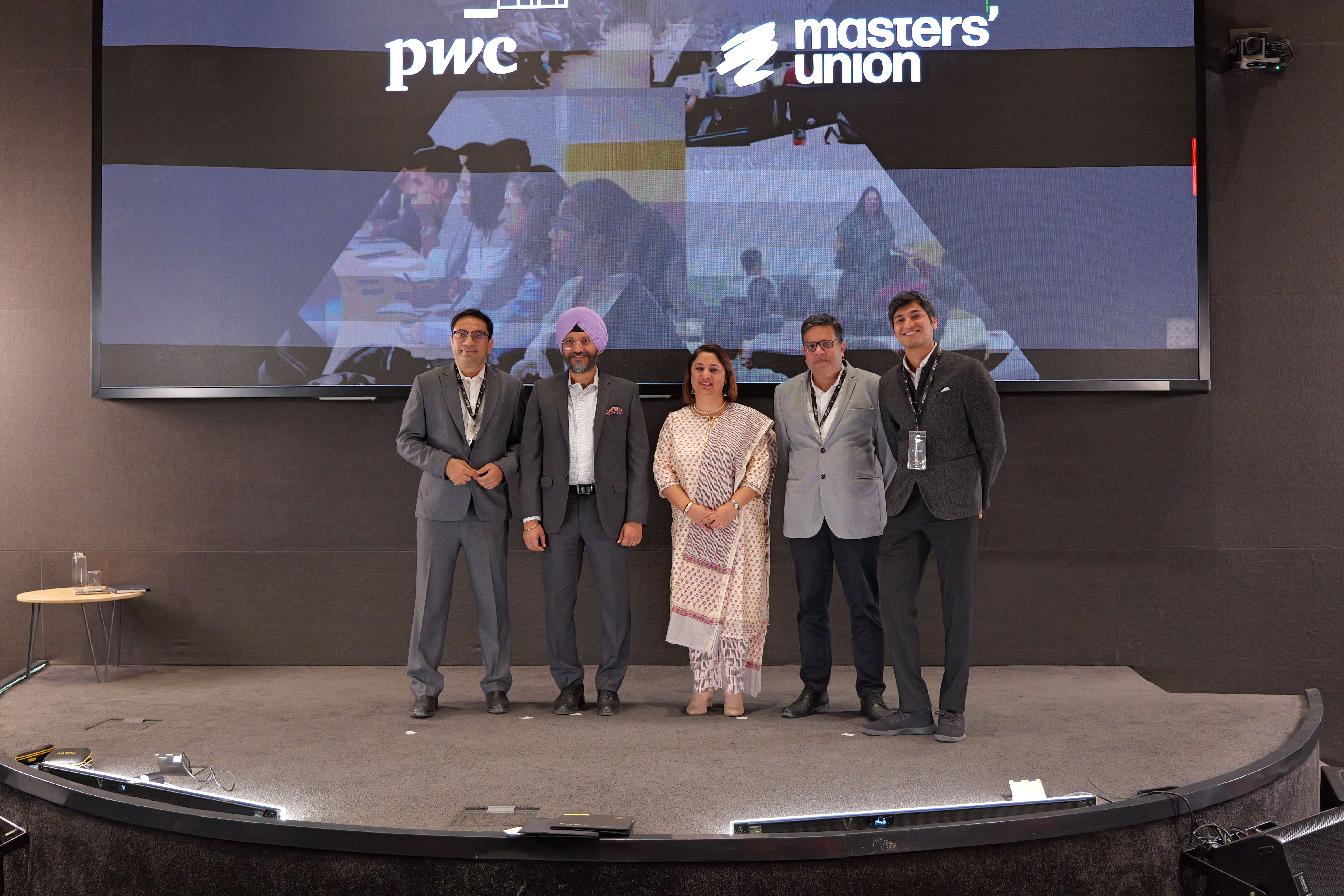
On 28th November, Masters’ Union hosted a landmark collaboration with PwC India to launch the Future Tech Space, a state-of-the-art innovation hub designed to explore the intersection of AI and the future of work. The event, led by Pratham Mittal, Founder & CEO of Masters’ Union, marked the beginning of a journey to equip the next generation of professionals with practical AI skills and leadership insights.
By combining academic rigor with industry expertise, the partnership demonstrates how companies and educational institutions can prepare leaders for an increasingly AI-driven world.
Setting the Stage: The Transformative Potential of AI
At the kickoff, Nikhil Gaur, Co-founder of The Hive School, set the tone by emphasising collaboration in unlocking the potential of AI. He highlighted how AI is no longer a back-office tool; it is a core driver of innovation, strategy, and operational efficiency.
Following this, Pratham Mittal addressed the audience, focusing on the tangible benefits of AI for organisations and individuals. His talk underscored that AI adoption is essential not only for efficiency but also for cultivating a workforce that can thrive in the digital age.
-
AI adoption accelerates organisational growth and operational efficiency
-
Leaders must prioritise AI skills to stay competitive
-
Continuous learning and upskilling are critical for navigating the AI-driven landscape
Fireside Chat: Beyond the Buzzwords
Pratham Mittal joined Manpreet Singh Ahuja, Chief Digital Officer, PwC India, for a fireside chat exploring how AI is reshaping business leadership. They delved into actionable strategies for integrating AI responsibly into everyday processes.
From AI-enabled analytics to digital transformation strategies, the discussion emphasised that technology alone is insufficient—human judgment, ethical frameworks, and strong leadership are equally important.
Fireside Chat Insights:
-
AI should complement human decision-making, not replace it
-
Organisations must develop an AI-ready workforce capable of interpreting AI outputs strategically
-
Ethical AI adoption safeguards trust and ensures compliance with regulations
Panel Discussion: Leadership in the Age of AI
A panel featuring Pratik Jain, Partner and Regional Markets Leader - North, PwC India, and Shirin Sehgal, Chief People Officer, PwC India, examined the evolving role of leaders in an AI-driven world.
Titled “Leadership in the Age of AI and the Importance of an AI-Ready Workforce,” the discussion explored practical measures for embedding AI into business strategy, managing organisational change, and fostering innovation.
Panel Highlights:
-
AI integration requires both technological and cultural transformation
-
Leaders must foster adaptability, resilience, and critical thinking
-
Continuous upskilling and workforce digitisation are non-negotiable for sustainable growth
PwC India × Masters’ Union Future Tech Space
The Future Tech Space aims to bridge the gap between academic learning and real-world applications. With access to AI tools, analytics platforms, and experimental labs, students can develop hands-on expertise in AI, data-driven decision-making, and business strategy.
Why It Matters:
-
Provides a collaborative space for AI innovation
-
Encourages experimentation with real-world business scenarios
-
Prepares students for leadership roles where AI is central to organisational success
Practical Lessons for the Future Workforce
The event emphasised that AI adoption is as much about people as it is about technology. Businesses must balance innovation with ethics, ensuring employees are empowered rather than replaced.
Key Lessons for Leaders and Professionals:
-
Embrace human-centered AI to enhance, not replace, human capabilities
-
Cultivate digital literacy and advanced AI skills among teams
-
Build organisational resilience to adapt to AI-driven changes
-
Integrate AI into strategy, operations, and innovation pipelines
Transforming Organisations with AI
AI adoption is not confined to tech firms. Across industries, AI is enhancing efficiency, enabling predictive analytics, and powering customer-centric strategies. The PwC India × Masters’ Union collaboration showcases how future leaders can harness AI to drive value across sectors.
Practical Impacts:
-
AI-driven workforce planning enhances productivity
-
Analytics and AI solutions inform strategic decision-making
-
Ethical AI practices protect brand reputation and foster trust
A Shared Vision for AI and Leadership
The event concluded with a call to action for both businesses and individuals: prepare for a future where AI is integral to success. Pratham Mittal highlighted that the partnership with PwC India is not just technological—it is humanistic, focusing on upskilling, ethical leadership, and workforce transformation.
Vision Statement:
-
AI should empower human ingenuity
-
Leaders must anticipate change and guide teams through AI integration
-
The future of work blends technology, strategy, and ethical decision-making
The PwC India × Masters’ Union event demonstrated that the future of work will be shaped by both technology and human leadership. By investing in advanced AI, workforce upskilling, and ethical adoption practices, organisations can unlock the full potential of AI while preparing a new generation of leaders. The Future Tech Space is more than a lab—it is a blueprint for building AI-ready, innovative, and resilient workforces.
FAQs
1. What is the Future Tech Space at Masters’ Union?
It is a dedicated innovation hub created in partnership with PwC India, focused on AI research, workforce upskilling, and real-world business applications.
2. Who hosted the AI and leadership event?
The event was hosted by Pratham Mittal, Founder & CEO of Masters’ Union, in collaboration with PwC India executives.
3. Why is AI important for the future of work?
AI enhances operational efficiency, drives innovation, informs strategic decisions, and equips leaders to manage complex, evolving business environments.
4. How can businesses implement AI responsibly?
By adopting ethical frameworks, upskilling employees, integrating AI into workflows, and continuously monitoring outcomes to maintain accountability and trust.
5. What skills should future leaders develop for AI-driven industries?
Digital literacy, data-driven decision-making, ethical judgment, adaptability, and the ability to integrate AI insights into strategic planning are essential.